53 minutes agoPolitics
49LENS
2 SourcesTiruchirappalli, India
 thebalanced.news
Supreme Court Acquits Sri Lankan Refugee in LTTE Conspiracy Case Citing Mistaken Identity
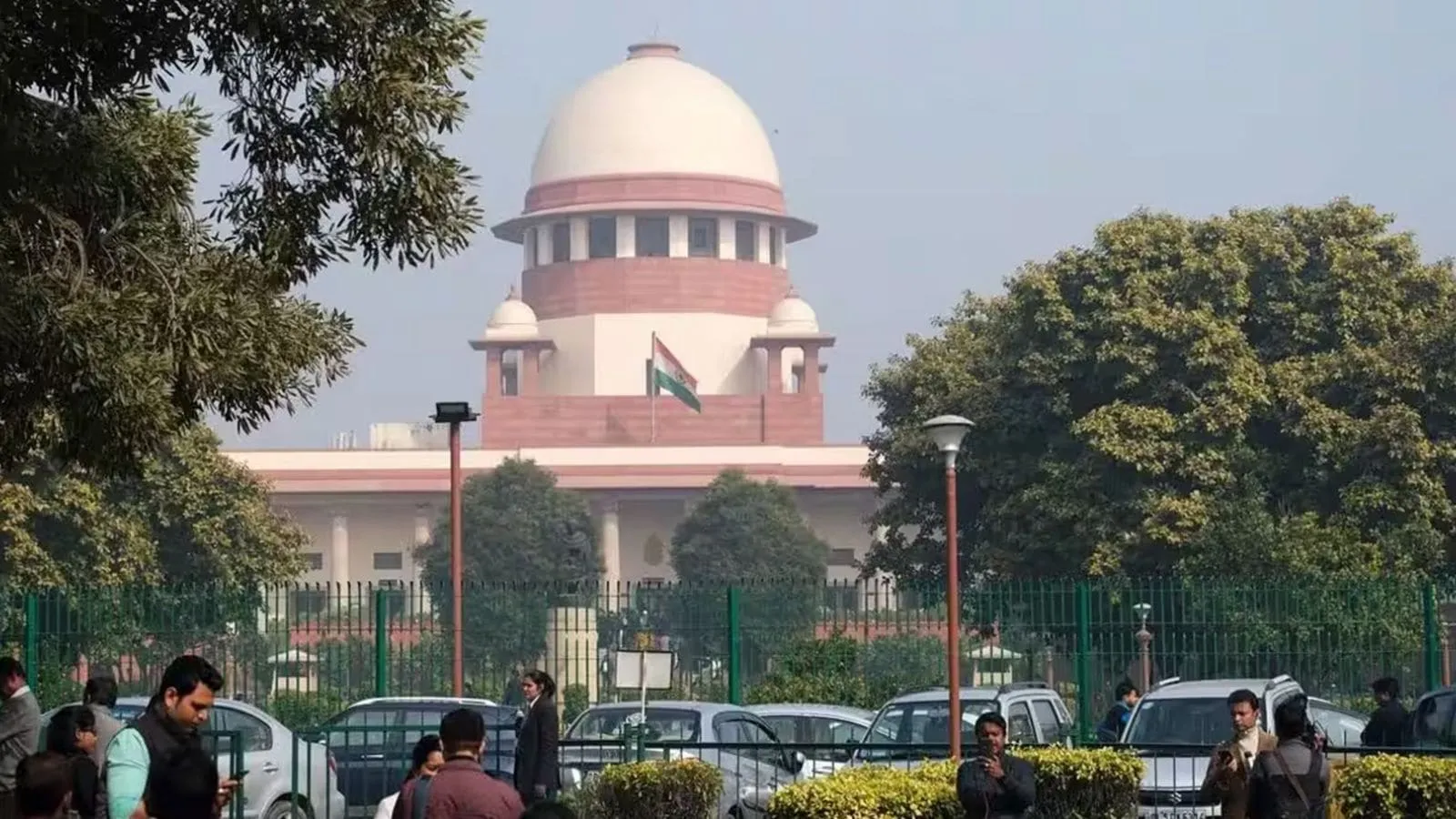
The Supreme Court acquitted a Sri Lankan refugee convicted under the Unlawful Activities Prevention Act for alleged involvement with the banned LTTE, citing mistaken identity. The court found no evidence linking him to the accused operative named 'Sri' and noted inconsistencies in the prosecution's case, including the man's routine life activities incompatible with an absconding suspect. The trial and high courts' convictions were set aside, emphasizing the lack of credible identification and evidence.
Political Bias
45%53%2%
Sentiment
50%
AI Analysis
Political bias across 2 sources
● Left 45%● Center 53%● Right 2%
The articles primarily present the judicial perspective, focusing on the Supreme Court's decision without partisan framing. They include the prosecution's claims and the defense's rebuttal, reflecting legal procedural viewpoints. The coverage centers on the court's evaluation of evidence and identity issues, avoiding political commentary or ideological bias related to the LTTE or broader geopolitical contexts.
Sentiment — Neutral (50/100)
The tone across the articles is neutral to cautiously critical, emphasizing judicial scrutiny and procedural fairness. While highlighting the acquittal and doubts over the investigation, the coverage refrains from emotive language, maintaining a factual and measured approach to the legal developments and the implications of wrongful conviction.
How 2 sources covered this story
Each source's own headline, political lean, and sentiment — so you can see framing differences at a glance.
| Source | Their headline | Bias | Sentiment |
|---|---|---|---|
| indianexpress | 'Falsely implicated': Supreme Court acquits Sri Lankan man jailed under UAPA as an LTTE operative | Left | Neutral |
| indianexpress | Supreme Court raises 'serious doubt' over probe, acquits Sri Lankan refugee in LTTE conspiracy case | Center | Neutral |
Coverage timeline
indianexpress broke this story on 21 May, 10:07 am. Other outlets followed.
- 1indianexpress21 May, 10:07 amSupreme Court raises 'serious doubt' over probe, acquits Sri Lankan refugee in LTTE conspiracy case
- 2indianexpress21 May, 11:29 am'Falsely implicated': Supreme Court acquits Sri Lankan man jailed under UAPA as an LTTE operative
Lens Score breakdown
49/100
Public interest0/100
Coverage gap100%
Story is receiving appropriate media attention relative to public interest.
Accountability flags
TBN's analysis identified the following accountability dimensions in this story.
- abuse of power
This story involves alleged misuse of official authority or institutional position to achieve personal or political ends.
- systemic failure
This story points to a failure in institutional processes — regulation, safety, oversight, or service delivery breaking down at scale.
- rights violation
This story involves alleged violations of constitutional or human rights — freedom of expression, due process, custodial rights, minority rights.
Who's involved
Institutions and figures named across source coverage.
Government
Supreme CourtQ BranchMadras High CourtTamil Nadu Police
Enforcement
Q BranchTamil Nadu Police
Judiciary
Supreme CourtPrincipal District and Sessions JudgeMadras High Court
Story context
- Category
- Politics
- Location
- Tiruchirappalli, India
- Sources analysed
- 2
- Last analysed
- 21 May 2026
- Key entities
- Unlawful Activities (Prevention) ActSupreme Court of IndiaLiberation Tigers of Tamil EelamSri LankaVijay (actor)Madras High CourtTrial courtAcquittalVikram (actor)PassportIndiaSwitzerland
Related Coverage
Select a news story to see related coverage from other media outlets.