1 hour agoPolitics
22LENS
2 SourcesIndia
 thebalanced.news
Akbar’s Use of Rajput Alliances and Customs in Shaping Mughal Kingship
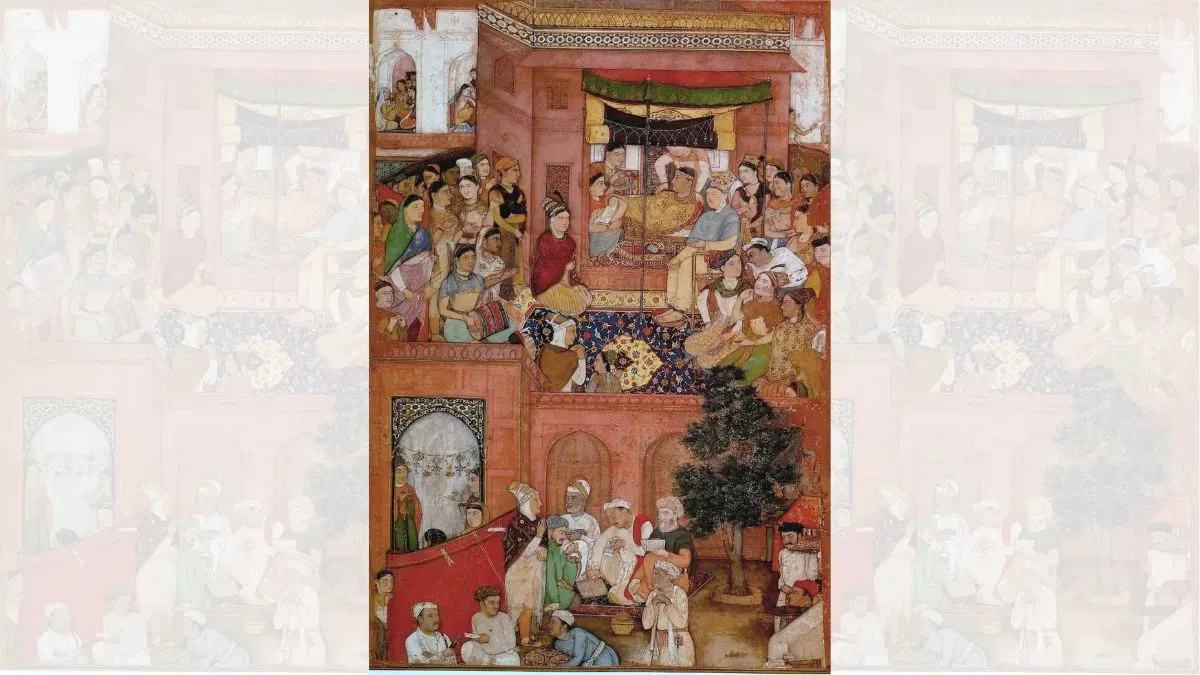
The Mughal emperor Akbar integrated Rajput matrimonial alliances and cultural practices to shape a syncretic model of kingship. He adopted Indian customs like jharokha darshan and tula daan to project a semi-divine image, reinforcing his policy of sulh-e-kul aimed at inclusive governance. Rajput wives and daughters played significant roles, influencing the Mughal royal household and succession, as reflected in historical accounts and court records.
Political Bias
15%83%2%
Sentiment
65%
AI Analysis
Political bias across 2 sources
● Left 15%● Center 83%● Right 2%
The articles present a historical analysis focusing on cultural and political strategies of the Mughal era without evident partisan framing. They emphasize Akbar’s inclusive policies and syncretic practices, reflecting scholarly perspectives rather than political viewpoints. The coverage is academic and descriptive, avoiding contemporary political interpretations.
Sentiment — Neutral (65/100)
The tone across the articles is neutral and informative, highlighting historical facts and cultural synthesis without emotional language. The narrative appreciates the complexity of Mughal policies and their social impact, maintaining an objective stance suitable for educational content.
How 2 sources covered this story
Each source's own headline, political lean, and sentiment — so you can see framing differences at a glance.
| Source | Their headline | Bias | Sentiment |
|---|---|---|---|
| theprint | To understand Mughal history, look at the wives and daughters. Not just male rulers | Center | Neutral |
| theprint | To understand Mughal history, look at the wives and daughters. Not just male rulers | Center | Neutral |
Coverage timeline
theprint broke this story on 7 May, 07:59 am. Other outlets followed.
- 1theprint7 May, 07:59 amTo understand Mughal history, look at the wives and daughters. Not just male rulers
- 2theprint7 May, 08:01 amTo understand Mughal history, look at the wives and daughters. Not just male rulers
Lens Score breakdown
22/100
Public interest0/100
Coverage gap100%
Well-covered story — coverage matches public importance.
Story context
- Category
- Politics
- Location
- India
- Sources analysed
- 2
- Last analysed
- 7 May 2026
- Key entities
- RajputEmperorMughal EmpireAkbarTurco-Mongol traditionJharokhaSolar calendarHoliHindu philosophyPrecious metalGrainDeity
Related Coverage
Select a news story to see related coverage from other media outlets.