1 hour agoPolitics
34LENS
2 SourcesKerala, India
 thebalanced.news
Supreme Court Directs AIIMS to Review Brain Death Assessment Protocols
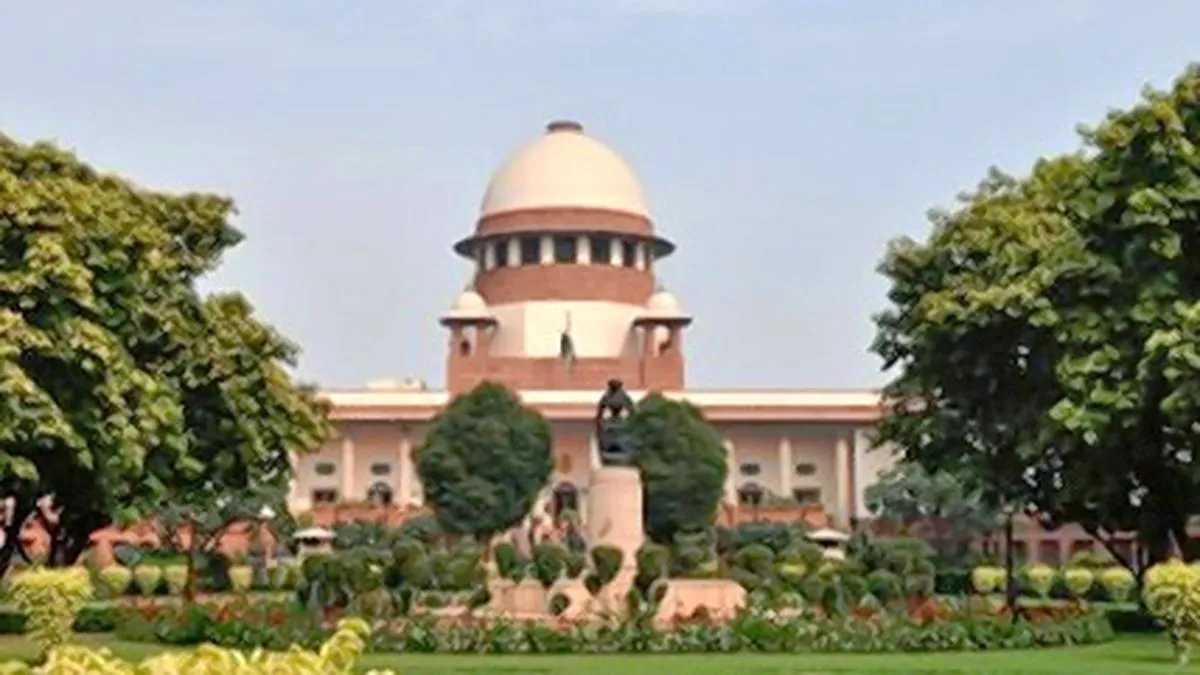
The Supreme Court has acknowledged concerns raised by Kerala-based doctor S. Ganapathy that the apnea test, commonly used to assess brain death, may be inconclusive and potentially harmful. A bench of Justices Vikram Nath and Sandeep Mehta directed AIIMS to form a panel of neurology experts to review brain death determination protocols, including alternative methods like cerebral angiogram and EEG, aiming to develop more reliable guidelines.
Political Bias
0%100%0%
Sentiment
52%
AI Analysis
Political bias across 2 sources
● Left 0%● Center 100%● Right 0%
The articles present a neutral judicial perspective focusing on medical and legal considerations without political framing. They highlight the Supreme Court's response to medical concerns raised by a doctor, emphasizing expert review and procedural fairness. The coverage centers on institutional actions rather than political viewpoints, reflecting a legal-medical discourse.
Sentiment — Neutral (52/100)
The tone across the articles is measured and factual, reflecting cautious concern about the reliability of the apnea test. The Supreme Court's decision to seek expert input conveys a constructive and procedural approach, balancing skepticism with a commitment to scientific review. Overall, the sentiment is neutral to mildly concerned, emphasizing due diligence.
How 2 sources covered this story
Each source's own headline, political lean, and sentiment — so you can see framing differences at a glance.
| Source | Their headline | Bias | Sentiment |
|---|---|---|---|
| thehindu | Supreme Court to examine plea that apnoea test is inconclusive to assess brain death | Center | Neutral |
| indianexpress | Is apnea test reliable?: Supreme Court orders AIIMS to review brain death protocols | Center | Neutral |
Coverage timeline
indianexpress broke this story on 2 May, 08:33 am. Other outlets followed.
- 1indianexpress2 May, 08:33 amIs apnea test reliable?: Supreme Court orders AIIMS to review brain death protocols
- 2thehindu2 May, 10:38 amSupreme Court to examine plea that apnoea test is inconclusive to assess brain death
Lens Score breakdown
34/100
Public interest0/100
Coverage gap100%
Well-covered story — coverage matches public importance.
Who's involved
Institutions and figures named across source coverage.
Government
Supreme Court of IndiaAll India Institute of Medical SciencesKerala State Government
Judiciary
Supreme CourtKerala High CourtSupreme Court of IndiaJustices Vikram NathJustice Sandeep Mehta
Story context
- Category
- Politics
- Location
- Kerala, India
- Sources analysed
- 2
- Last analysed
- 2 May 2026
- Key entities
- ApneaSupreme Court of IndiaPrima facieBrain deathCerebral circulationVikram NathKeralaAll India Institutes of Medical SciencesNeurologyNeurosurgeryAll India Institute of Medical Sciences, New DelhiOrgan transplantation
Related Coverage
Select a news story to see related coverage from other media outlets.