1 hour agoPolitics
37LENS
2 SourcesJapan
 thebalanced.news
India and Japan Sign Agreements to Enhance Cooperation in Quantum Science and Health Research
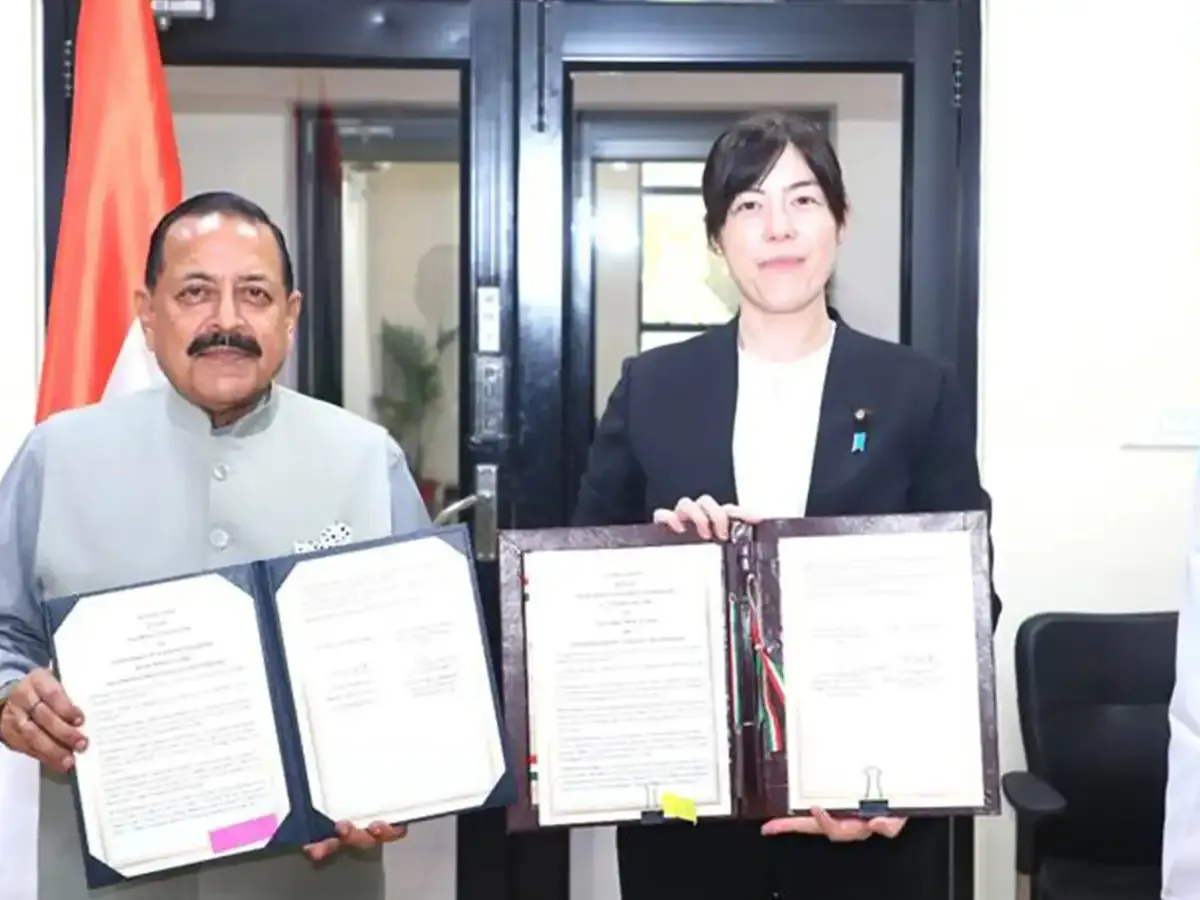
India and Japan have strengthened their strategic partnership in science, technology, and innovation through agreements signed during a high-level meeting in New Delhi. The countries exchanged a Memorandum of Cooperation in health and medical devices involving AMED, ICMR, and DST, and a Letter of Intent on quantum science and technology between Japan's Cabinet Office and India's DST. Officials highlighted the synergy between Japan's advanced technology and India's skilled workforce, aiming to foster joint research and innovation in emerging technologies.
Political Bias
0%100%0%
Sentiment
75%
AI Analysis
Political bias across 2 sources
● Left 0%● Center 100%● Right 0%
The articles present a cooperative and positive framing of India-Japan relations, focusing on mutual benefits in science and technology without partisan commentary. Both sources emphasize official statements and government-led initiatives, reflecting a diplomatic and developmental perspective. There is no evident political bias, as coverage centers on factual reporting of agreements and shared goals.
Sentiment — Positive (75/100)
The overall tone across the articles is positive, highlighting progress and collaboration in advanced scientific fields. The language conveys optimism about the partnership's potential to drive innovation and societal benefits. There is no critical or negative sentiment, with emphasis placed on mutual strengths and future opportunities.
How 2 sources covered this story
Each source's own headline, political lean, and sentiment — so you can see framing differences at a glance.
| Source | Their headline | Bias | Sentiment |
|---|---|---|---|
| economictimes | India, Japan sign agreements in quantum technology, health research cooperation | Center | Positive |
| thestatesman | India, Japan share natural synergy in science and technology: Dr Jitendra Singh | Center | Positive |
Coverage timeline
thestatesman broke this story on 6 May, 01:11 pm. Other outlets followed.
- 1thestatesman6 May, 01:11 pmIndia, Japan share natural synergy in science and technology: Dr Jitendra Singh
- 2economictimes6 May, 01:14 pmIndia, Japan sign agreements in quantum technology, health research cooperation
Lens Score breakdown
37/100
Public interest0/100
Coverage gap100%
Story is receiving appropriate media attention relative to public interest.
Who's involved
Institutions and figures named across source coverage.
Government
Ministry of Science and TechnologyJapan's Cabinet OfficeCabinet Office of JapanJapan Agency for Medical Research and DevelopmentDepartment of Science and TechnologyIndian Council of Medical Research
Story context
- Category
- Politics
- Location
- Japan
- Sources analysed
- 2
- Last analysed
- 6 May 2026
- Key entities
- JapanIndiaJitendra Singh (politician, born 1956)Union Council of MinistersMinister of StateArtificial intelligenceDepartment of Science and Technology (India)Daylight saving timeIndian Council of Medical ResearchHuman resourcesEconomic growthNarendra Modi
Related Coverage
Select a news story to see related coverage from other media outlets.