5 hours agoPolitics
27LENS
2 SourcesGermany
 thebalanced.news
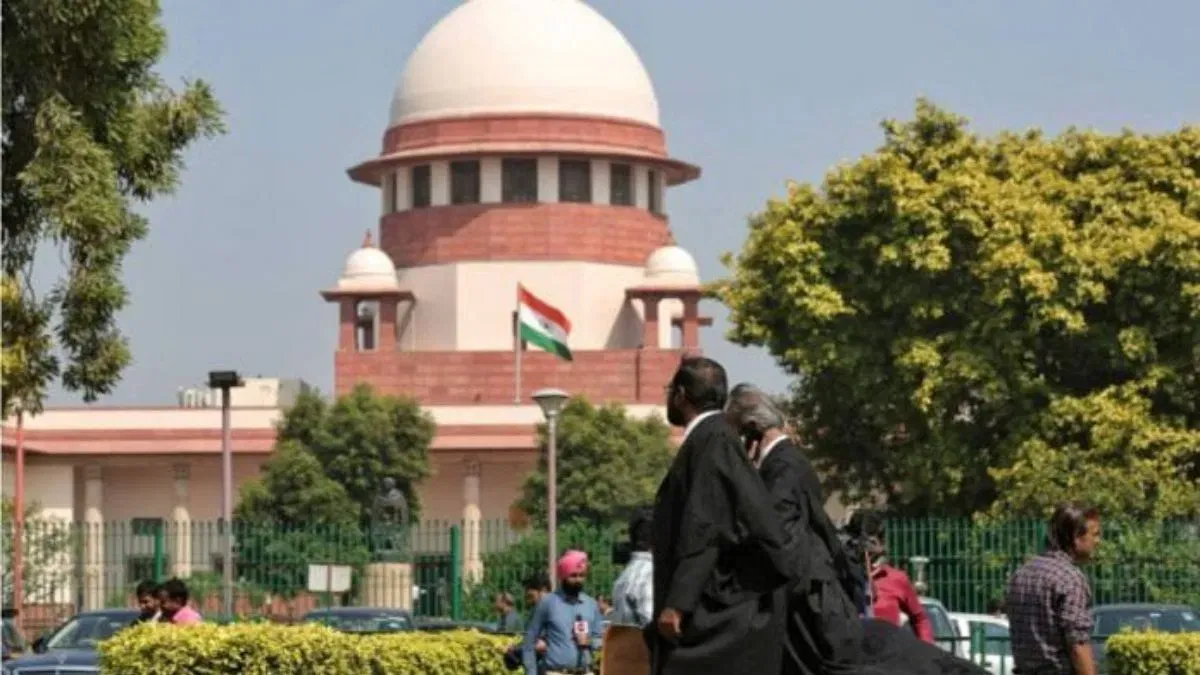
India's Judiciary Adopts AI Amid Challenges in Digitizing Court Records
India's judiciary is integrating AI through initiatives like 'One Case One Data' and the Su Sahay chatbot to improve case management and access to judicial information. While AI can streamline administrative tasks and organize documents, challenges remain due to unstructured, multilingual, and handwritten court records. Experts emphasize that AI cannot replace judicial reasoning, which involves nuanced human judgment balancing legal principles and social realities. The system aims to enhance efficiency without compromising the complexity of judicial deliberation.
Political Bias
5%93%2%
Sentiment
52%
AI Analysis
Political bias across 2 sources
● Left 5%● Center 93%● Right 2%
The articles present a balanced view focusing on technological and procedural aspects of judicial digitization without partisan framing. They include perspectives from judiciary officials and experts, highlighting both the potential benefits and limitations of AI in courts. The coverage avoids political positioning, instead emphasizing institutional and systemic considerations.
Sentiment — Neutral (52/100)
The overall tone is cautiously optimistic, acknowledging the promise of AI to improve judicial efficiency while recognizing significant challenges and limitations. The sentiment is measured, combining appreciation for technological advances with concern about the complexity of judicial reasoning and data quality issues.
How 2 sources covered this story
Each source's own headline, political lean, and sentiment — so you can see framing differences at a glance.
| Source | Their headline | Bias | Sentiment |
|---|---|---|---|
| hindustantimes | What AI can do for the judiciary, what it can't | Center | Neutral |
| theprint | We're not ready for 'One Case One Data'. Court records are too unorganised for digitisation | Center | Neutral |
Coverage timeline
theprint broke this story on 20 May, 07:23 am. Other outlets followed.
- 1theprint20 May, 07:23 amWe're not ready for 'One Case One Data'. Court records are too unorganised for digitisation
- 2hindustantimes20 May, 03:10 pmWhat AI can do for the judiciary, what it can't
Lens Score breakdown
27/100
Public interest0/100
Coverage gap100%
Well-covered story — coverage matches public importance.
Who's involved
Institutions and figures named across source coverage.
Government
High CourtsNational Judicial Data GridDistrict CourtsSupreme CourteCourts services
Judiciary
High CourtsSupreme CourtDistrict Courts
Story context
- Category
- Politics
- Location
- Germany
- Sources analysed
- 2
- Last analysed
- 20 May 2026
- Key entities
- Artificial intelligenceChatbotSupreme Court of the United StatesMetadataThe National (Abu Dhabi)Digital distributionUnited States district courtMacro (computer science)LawsuitFontOptical character recognitionShorthand
Related Coverage
Select a news story to see related coverage from other media outlets.