1 hour agoPolitics
30LENS
2 SourcesNew Delhi, India
 thebalanced.news
One Year Since Indus Waters Treaty Suspension: Regional Impacts and Developments
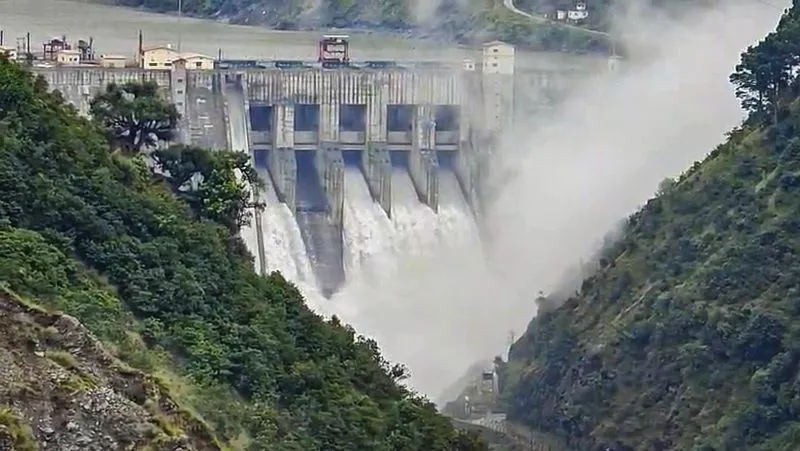
India suspended the Indus Waters Treaty (IWT) last year following a terror attack in Jammu and Kashmir, halting routine cooperation such as data sharing and inspections. This move aims to leverage the region's hydropower potential, with projects in Jammu creating employment and development opportunities. Pakistan has raised concerns at the UN, warning the suspension affects regional stability and humanitarian conditions. Experts note immediate impacts are limited but potential long-term effects on water management and bilateral relations remain uncertain.
Political Bias
15%77%8%
Sentiment
55%
AI Analysis
Political bias across 2 sources
● Left 15%● Center 77%● Right 8%
The articles represent both Indian and Pakistani perspectives: Indian sources emphasize development opportunities and strategic responses following the treaty suspension, while Pakistani sources highlight diplomatic concerns and potential regional instability. Coverage balances government actions and expert analyses without endorsing either side's position, reflecting the complex geopolitical context.
Sentiment — Neutral (55/100)
The overall tone is measured and factual, combining cautious optimism about development prospects in Jammu with concerns expressed by Pakistan regarding regional peace. The sentiment is mixed, acknowledging both potential benefits from hydropower projects and the diplomatic tensions arising from the treaty's suspension.
How 2 sources covered this story
Each source's own headline, political lean, and sentiment — so you can see framing differences at a glance.
| Source | Their headline | Bias | Sentiment |
|---|---|---|---|
| zeenews | One year of Indus Waters Treaty suspension: How much has Pakistan really been affected? | Center | Neutral |
| thetribune | Rivers of change: Rethinking Jammu's growth after IWT pause - The Tribune | Center | Positive |
Coverage timeline
thetribune broke this story on 27 Apr, 10:46 pm. Other outlets followed.
- 1thetribune27 Apr, 10:46 pmRivers of change: Rethinking Jammu's growth after IWT pause - The Tribune
- 2zeenews28 Apr, 01:12 amOne year of Indus Waters Treaty suspension: How much has Pakistan really been affected?
Lens Score breakdown
30/100
Public interest0/100
Coverage gap100%
Well-covered story — coverage matches public importance.
Who's involved
Institutions and figures named across source coverage.
Government
Permanent Indus CommissionCabinet Committee on SecurityGovernment of India
Political
Pakistan's Deputy Prime MinisterPakistan's Foreign MinisterPakistan's Permanent Representative to the UN
Judiciary
International Court of Justice
Story context
- Category
- Politics
- Location
- New Delhi, India
- Sources analysed
- 2
- Last analysed
- 28 Apr 2026
- Key entities
- PakistanIndus Waters TreatyTreatyPahalgamChenab RiverHydropowerRiverJammu divisionGovernment of IndiaGeopoliticsTerrorismDistrict
Related Coverage
Select a news story to see related coverage from other media outlets.