8 hours agoPolitics
34LENS
2 SourcesSan Francisco, United States
 thebalanced.news
Trump Administration Proposes Raising Minimum Salaries for H-1B Visa Workers
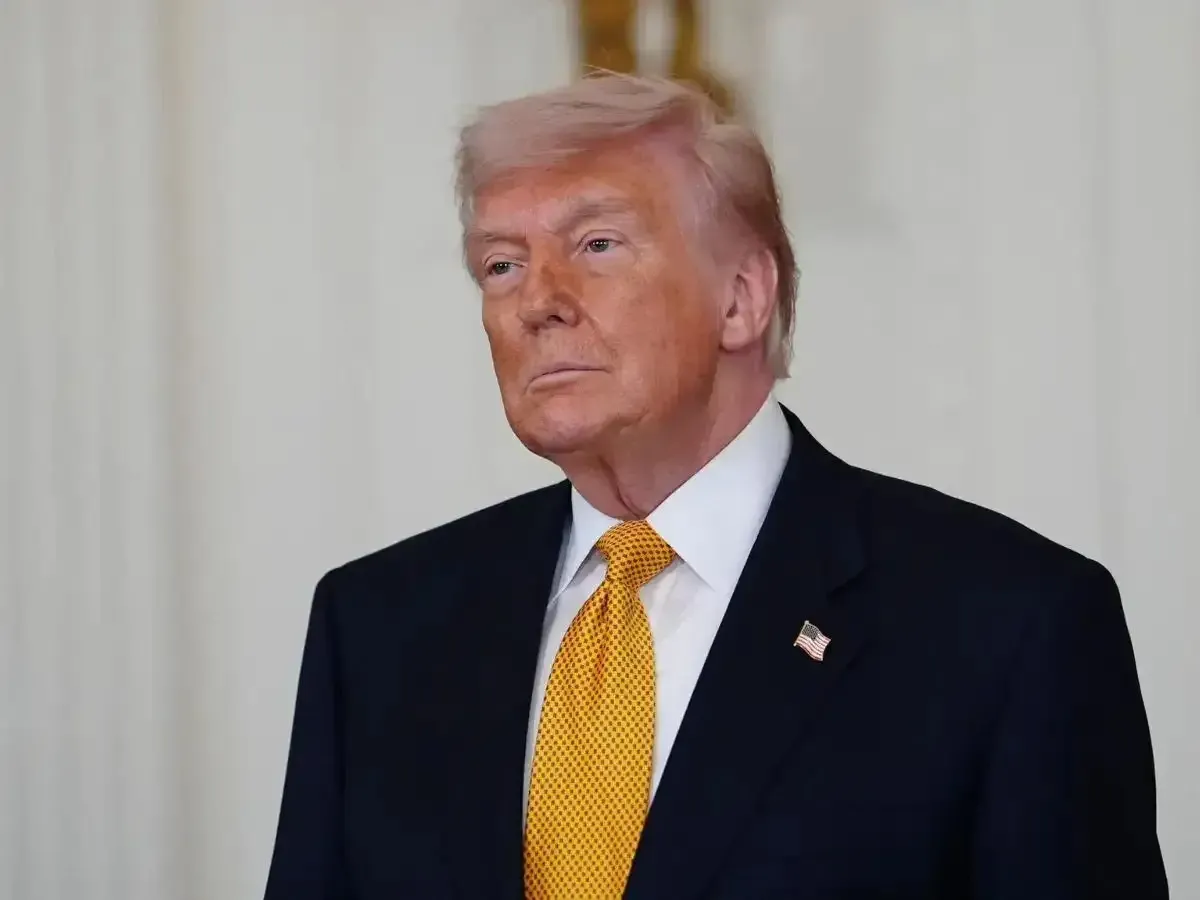
The Trump administration has proposed raising the minimum salaries required for H-1B visa holders, with entry-level software engineers in cities like San Francisco needing to earn $162,000 annually, about 30% more than current levels. This change aims to prevent foreign workers from undercutting American wages but could increase costs for employers by up to $43 billion annually within three years. Critics warn it may reduce opportunities for young talent as companies may hesitate to pay higher wages. The proposal awaits final approval from the Labor Department.
Political Bias
25%67%8%
Sentiment
40%
AI Analysis
Political bias across 2 sources
● Left 25%● Center 67%● Right 8%
The articles present perspectives aligned with the Trump administration's policy goals to protect American wages by increasing H-1B visa salary thresholds. They include viewpoints on potential economic impacts for employers and concerns about reduced opportunities for young professionals. Coverage reflects both the administration's rationale and the implications for foreign workers and employers without endorsing either side.
Sentiment — Neutral (40/100)
The overall tone is neutral to cautious, highlighting the administration's intent to address wage concerns while acknowledging potential negative effects on employers and immigrant workers. The coverage balances the policy's objectives with warnings about increased costs and fewer opportunities, resulting in a mixed but fact-focused sentiment.
How 2 sources covered this story
Each source's own headline, political lean, and sentiment — so you can see framing differences at a glance.
| Source | Their headline | Bias | Sentiment |
|---|---|---|---|
| businessstandard | Trump administration plans to raise cost of hiring H-1B workers by 30 | Center | Neutral |
| economictimes | Trump wants to make H-1B workers more expensive for US employers - The Economic Times | Center | Neutral |
Coverage timeline
economictimes broke this story on 8 May, 12:23 pm. Other outlets followed.
- 1economictimes8 May, 12:23 pmTrump wants to make H-1B workers more expensive for US employers - The Economic Times
- 2businessstandard8 May, 05:28 pmTrump administration plans to raise cost of hiring H-1B workers by 30
Lens Score breakdown
34/100
Public interest0/100
Coverage gap100%
Well-covered story — coverage matches public importance.
Who's involved
Institutions and figures named across source coverage.
Government
Labor DepartmentUS Labor DepartmentTrump Administration
Corporate
Microsoft Corp.Alphabet Inc.
Story context
- Category
- Politics
- Location
- San Francisco, United States
- Sources analysed
- 2
- Last analysed
- 8 May 2026
- Key entities
- Travel visaH-1B visaWhite-collar workerImmigrationDonald TrumpSan FranciscoNew York (state)DallasCivil engineeringUnited States Department of LaborFinanceSoftware engineering
Related Coverage
Select a news story to see related coverage from other media outlets.