1 hour agoPolitics
33LENS
2 SourcesIran
 thebalanced.news
US Officials Diverge on Iran Talks and Leadership Amid Strait of Hormuz Tensions
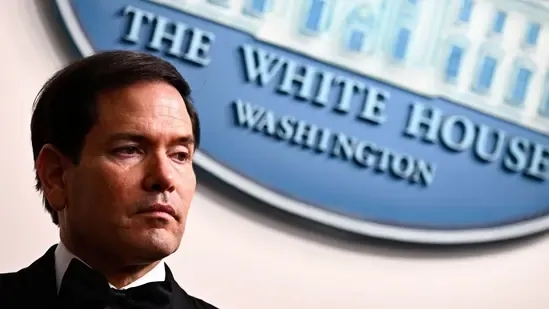
US Secretary of State Marco Rubio emphasized that additional pressure on Iran could follow if no peace deal is reached, highlighting the strategic importance of the Strait of Hormuz as an "economic nuclear weapon." Rubio stressed that any regime change should originate internally, contrasting with President Trump's claims of significant leadership shifts in Iran after US-Israeli strikes. Talks between the US and Iran have stalled, with Iran proposing to defer nuclear discussions until other conflicts are resolved, a move reportedly unsatisfactory to Washington.
Political Bias
10%78%12%
Sentiment
38%
AI Analysis
Political bias across 2 sources
● Left 10%● Center 78%● Right 12%
The articles present perspectives from US officials with differing views: Marco Rubio advocates for increased pressure and internal regime change in Iran, while President Trump asserts that regime change has already occurred. Coverage focuses on US policy and statements without extensive input from Iranian sources, reflecting a primarily American political viewpoint with internal divergences highlighted.
Sentiment — Neutral (38/100)
The tone across the articles is cautious and analytical, reflecting concerns over stalled negotiations and regional tensions. Rubio's comments suggest a firm stance on Iran, while Trump's remarks imply confidence in US actions. Overall, the sentiment is mixed, balancing apprehension about conflict escalation with assertions of US strategic positioning.
How 2 sources covered this story
Each source's own headline, political lean, and sentiment — so you can see framing differences at a glance.
| Source | Their headline | Bias | Sentiment |
|---|---|---|---|
| firstpost | 'Regime change must come from within': Rubio diverges as Trump claims shift in Iran | Center | Neutral |
| hindustantimes | If US, Iran fail to reach a 'peace' deal, what comes next? Here's what Marco Rubio said | Center | Neutral |
Coverage timeline
hindustantimes broke this story on 28 Apr, 03:22 am. Other outlets followed.
- 1hindustantimes28 Apr, 03:22 amIf US, Iran fail to reach a 'peace' deal, what comes next? Here's what Marco Rubio said
- 2firstpost28 Apr, 06:03 am'Regime change must come from within': Rubio diverges as Trump claims shift in Iran
Lens Score breakdown
33/100
Public interest0/100
Coverage gap100%
Well-covered story — coverage matches public importance.
Who's involved
Institutions and figures named across source coverage.
Government
US PresidencyRussian PresidencyUS Secretary of State
Story context
- Category
- Politics
- Location
- Iran
- Sources analysed
- 2
- Last analysed
- 28 Apr 2026
- Key entities
- Marco RubioIranDonald TrumpFox NewsUnited States Secretary of StateStrait of HormuzNuclear weaponAli KhameneiSupreme Leader of IranReutersAbbas AraghchiSanctions against Iran
Related Coverage
Select a news story to see related coverage from other media outlets.