1 hour agoPolitics
36LENS
2 SourcesUnited States
 thebalanced.news
China's Satellite Support for Iran and US Adoption of New Defense Technologies in Iran Conflict
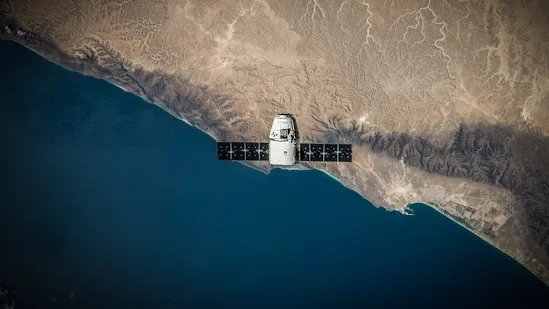
Recent developments in military technology and intelligence highlight contrasting approaches in the Iran conflict. China has indirectly supported Iran through advanced satellite imagery, filling gaps left by Western restrictions on open-source intelligence. Meanwhile, the US is increasingly relying on emerging defense firms like Palantir, SpaceX, and Anduril, which offer innovative technologies such as AI-driven intelligence systems, satellite reconnaissance, and drone capabilities. These shifts reflect evolving strategies in modern warfare and the changing dynamics of defense procurement.
Political Bias
10%82%8%
Sentiment
52%
AI Analysis
Political bias across 2 sources
● Left 10%● Center 82%● Right 8%
The articles present multiple perspectives: one highlights China's indirect support to Iran through satellite imagery amid US restrictions, while the other focuses on US defense innovation driven by new private firms aligned with the Trump administration. Both sources frame their narratives around national strategic interests, with China portrayed as leveraging technological advances and the US emphasizing modernization through emerging defense contractors. The coverage balances geopolitical and technological viewpoints without overt partisan framing.
Sentiment — Neutral (52/100)
The overall tone is analytical and neutral, focusing on technological and strategic developments rather than emotional or moral judgments. The first article conveys cautious concern about China's role, while the second emphasizes optimism about US defense innovation. Neither article uses sensational language, resulting in a mixed but measured sentiment that underscores evolving military capabilities and their implications.
How 2 sources covered this story
Each source's own headline, political lean, and sentiment — so you can see framing differences at a glance.
| Source | Their headline | Bias | Sentiment |
|---|---|---|---|
| mint | Anduril, Palantir and SpaceX are changing how America wages war Mint | Center | Neutral |
| hindustantimes | How Chinese satellites have boosted Iran's war effort | Center | Neutral |
Coverage timeline
hindustantimes broke this story on 20 Apr, 03:19 am. Other outlets followed.
- 1hindustantimes20 Apr, 03:19 amHow Chinese satellites have boosted Iran's war effort
- 2mint20 Apr, 03:21 pmAnduril, Palantir and SpaceX are changing how America wages war Mint
Lens Score breakdown
36/100
Public interest0/100
Coverage gap100%
Story is receiving appropriate media attention relative to public interest.
Who's involved
Institutions and figures named across source coverage.
Government
American IntelligenceUnited States State DepartmentDepartment of WarPentagonChinese Foreign MinistryTrump AdministrationIranian Revolutionary GuardsCongressCongressional Select Committee
Corporate
AirbusAndurilSpacetyShield AITerraWatch SpaceSpaceXChina Aerospace Science and Technology Corporation1789 CapitalSaronicXRTech GroupPlanetChang Guang Satellite TechnologyPalantirBlue Force TechnologiesChina SiweiMizarVision
Political
Donald Trump juniorTrump administrationPresident Donald Trump
Story context
- Category
- Politics
- Location
- United States
- Sources analysed
- 2
- Last analysed
- 20 Apr 2026
- Key entities
- SatelliteUnited StatesIranChinaDonald TrumpChina Aerospace Science and Technology CorporationJilin-1State-owned enterpriseRemote sensingPropellantNuclear proliferationMonopoly
Related Coverage
Select a news story to see related coverage from other media outlets.