2 hours agoPolitics
32LENS
2 SourcesUnited States
 thebalanced.news
Germany's Chancellor Merz Advises Against Children Living in U.S. Amid Tensions
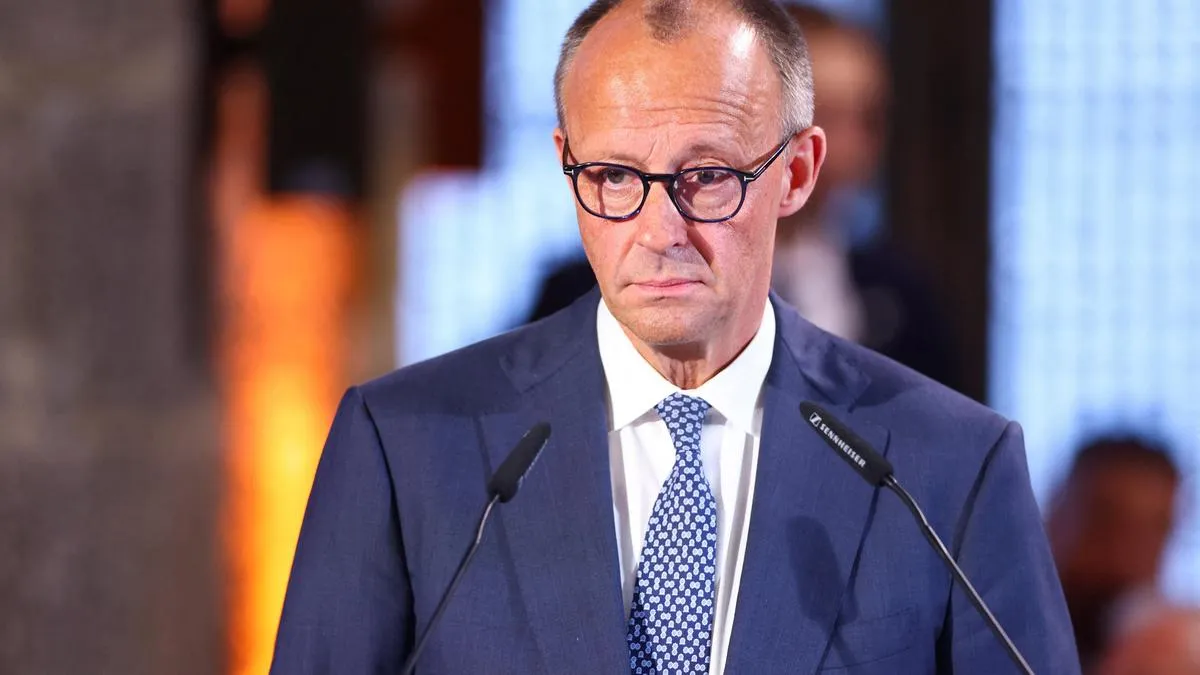
German Chancellor Friedrich Merz expressed reservations about advising his children to live or study in the United States, citing a changing social climate and limited job opportunities even for highly educated individuals. Speaking at a Catholic convention in Wuerzburg, Merz encouraged optimism about Germany's prospects. His comments follow tensions with the U.S., including troop withdrawals and tariff hikes, and have drawn criticism from former President Donald Trump, who urged Merz to focus on Germany's issues.
Political Bias
10%82%8%
Sentiment
42%
AI Analysis
Political bias across 2 sources
● Left 10%● Center 82%● Right 8%
The articles present perspectives from both German Chancellor Merz and former U.S. President Trump, reflecting diplomatic tensions between Germany and the U.S. Merz's critical remarks about the U.S. social climate and job market are balanced with his expressed admiration for America. Trump's response frames the issue as a German domestic concern. The coverage includes official statements and reactions without favoring either side.
Sentiment — Neutral (42/100)
The tone across the articles is mixed, combining critical observations from Merz about the U.S. with his encouragement of German optimism. Trump's rebuttal adds a confrontational element, but the overall sentiment remains factual and measured, focusing on diplomatic strains rather than emotional or sensational language.
How 2 sources covered this story
Each source's own headline, political lean, and sentiment — so you can see framing differences at a glance.
| Source | Their headline | Bias | Sentiment |
|---|---|---|---|
| thehindu | Germany's Merz 'wouldn't advise' his children to live in U.S. | Center | Neutral |
| theprint | Germany's Merz: I wouldn't advise my children to live in US | Center | Neutral |
Coverage timeline
theprint broke this story on 15 May, 01:40 pm. Other outlets followed.
- 1theprint15 May, 01:40 pmGermany's Merz: I wouldn't advise my children to live in US
- 2thehindu15 May, 02:17 pmGermany's Merz 'wouldn't advise' his children to live in U.S.
Lens Score breakdown
32/100
Public interest0/100
Coverage gap100%
Well-covered story — coverage matches public importance.
Who's involved
Institutions and figures named across source coverage.
Government
German Chancellor OfficeNATOUnited States Government
Religious
Catholic Convention
Story context
- Category
- Politics
- Location
- United States
- Sources analysed
- 2
- Last analysed
- 15 May 2026
- Key entities
- United StatesGermanyDonald TrumpIranCatholic ChurchEuropean UnionFriedrich MerzChancellor of GermanyNATOUkraineWashington, D.C.Tariff
Related Coverage
Select a news story to see related coverage from other media outlets.