44 minutes agoPolitics
32LENS
28 SourcesWashington (state), United States
 thebalanced.news
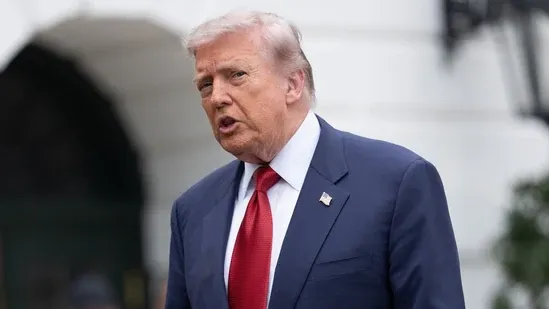
Trump Rejects Iran's Peace Proposal Amid Ongoing Gulf Conflict and Nuclear Concerns
US President Donald Trump has rejected Iran's response to a US peace proposal aimed at ending the ongoing conflict in the Gulf region, calling it "totally unacceptable." Iran's counterproposal, delivered through Pakistani mediators, includes demands for lifting sanctions, ending the US naval blockade, withdrawing American forces, compensation for war damages, and recognition of Iranian sovereignty over the Strait of Hormuz. Israeli Prime Minister Benjamin Netanyahu emphasized that the conflict continues until Iran's enriched uranium stockpile is removed. The rejection has heightened tensions and disrupted diplomatic efforts to resolve the conflict.
Political Bias
11%80%9%
Sentiment
33%
AI Analysis
Political bias across 28 sources
● Left 11%● Center 80%● Right 9%
The article group presents perspectives primarily from US and Israeli officials, highlighting Trump's firm stance against Iran's peace proposal and Netanyahu's emphasis on Iran's nuclear material. Iranian viewpoints are included through state media reports detailing Tehran's demands. The coverage reflects a US-led diplomatic and military framing, with some sources urging stronger action, while Iranian responses emphasize sovereignty and conditions for peace, illustrating a multifaceted geopolitical dispute.
Sentiment — Negative (33/100)
The overall tone across the articles is tense and cautious, reflecting frustration over stalled negotiations and ongoing conflict. Trump's rejection and Iran's firm demands contribute to a negative sentiment regarding diplomatic progress. However, the inclusion of ongoing talks and calls for peace indicates a complex, mixed sentiment with underlying hopes for resolution despite current setbacks.
How 15 sources covered this story
Each source's own headline, political lean, and sentiment — so you can see framing differences at a glance.
Coverage timeline
theprint broke this story on 11 May, 01:18 am. Other outlets followed.
- 1theprint11 May, 01:18 amTrump rejects Iran's peace proposal as 'totally unacceptable'
- 2english11 May, 01:25 amTrump Rejects Iran's Response To US Peace Proposal, Calls It 'Totally Unacceptable'
- 3indiatvnews11 May, 01:37 am'TOTALLY UNACCEPTABLE': Trump rejects Iran's response to US peace proposal to end West Asia war
- 4news1811 May, 01:49 amTrump calls Iran response on Gulf conflict totally unacceptable
- 5republicworld11 May, 01:55 amWhy Is Donald Trump Angry? Iran's Hardline Ceasefire Conditions That Shocked Washington Revealed
- 6thehindu11 May, 01:59 amIran-Israel war LIVE: Trump rejects Iran's peace proposal as 'totally unacceptable'
- 7theprint11 May, 02:06 amTrump rejects Iran's response to US peace proposal as 'unacceptable'
- 8oneindia11 May, 02:10 amTotally Unacceptable": Donald Trump Rejects Iran's Conditions For Gulf Ceasefire Deal
- 9news1811 May, 02:42 amUS-Iran War Ceasefire News LIVE Updates: Trump Rejects Iran's 'Totally Unacceptable' Peace Proposal, Tehran Responds
- 10timesnow11 May, 02:50 amTrump vs Iran: Peace Talks Hit New Wall After Tehran's Demands
Lens Score breakdown
32/100
Public interest0/100
Coverage gap90%
Well-covered story — coverage matches public importance.
Who's involved
Institutions and figures named across source coverage.
Government
US Energy SecretaryUnited States Space ForceWhite HouseIsraeli GovernmentUnited NationsUS GovernmentIranian Government
Political
Israeli Prime Minister Benjamin NetanyahuUS President Donald TrumpIranian President Masoud PezeshkianRepublican PartyIranian Foreign Ministry
Enforcement
Iranian Islamic Revolutionary Guard Corps NavyUS Military
Story context
- Category
- Politics
- Location
- Washington (state), United States
- Sources analysed
- 28
- Last analysed
- 11 May 2026
- Key entities
- Donald TrumpIranTehranStrait of HormuzIsraelEnriched uraniumCeasefireUnited StatesPakistanPetroleumBlockadeEconomic sanctions
Related Coverage
Select a news story to see related coverage from other media outlets.