1 hour agoPolitics
25LENS
3 SourcesUkraine
 thebalanced.news
AI Technologies Accelerate Military Operations in Ukraine and Middle East Conflicts
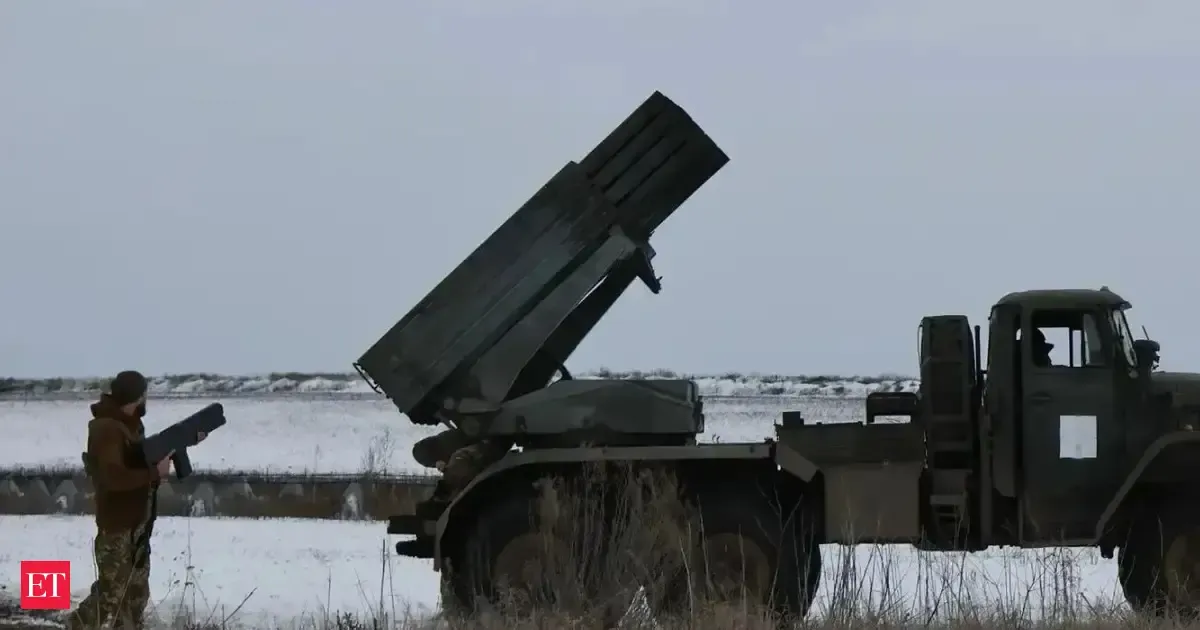
Artificial Intelligence is increasingly shaping modern warfare, notably in the ongoing conflicts involving Ukraine, Iran, the US, and Israel. AI technologies, such as intelligent drones and integrated targeting systems, have accelerated military operations by reducing the time between detection and strike from hours to seconds. These advancements enable rapid target identification and execution with minimal human intervention. Experts highlight the transformative impact of AI on combat dynamics and emphasize the need for global governance frameworks to manage associated risks and ensure stability.
Political Bias
7%88%5%
Sentiment
50%
AI Analysis
Political bias across 3 sources
● Left 7%● Center 88%● Right 5%
The articles present perspectives from multiple actors involved in conflicts where AI is deployed, including Ukraine, Iran, the US, and Israel. Coverage focuses on technological developments and strategic implications without endorsing any side. Expert analysis is included to contextualize AI's role, reflecting a balanced view of military innovation and geopolitical tensions.
Sentiment — Neutral (50/100)
The overall tone is analytical and neutral, emphasizing the technological advancements and operational impacts of AI in warfare. While acknowledging risks and the need for regulation, the coverage avoids sensationalism or emotive language, maintaining a factual and measured approach to the evolving military landscape.
How 3 sources covered this story
Each source's own headline, political lean, and sentiment — so you can see framing differences at a glance.
| Source | Their headline | Bias | Sentiment |
|---|---|---|---|
| economictimes | After tariff wars, Trump is opening a new front in US-China rivalry | Center | Neutral |
| economictimes | AI at war: The new arms race | Center | Neutral |
| theprint | War at machine speed: How AI became a decisive force in US-Israel conflict with Iran | Center | Neutral |
Coverage timeline
theprint broke this story on 23 Apr, 11:35 am. Other outlets followed.
- 1theprint23 Apr, 11:35 amWar at machine speed: How AI became a decisive force in US-Israel conflict with Iran
- 2economictimes24 Apr, 08:39 amAI at war: The new arms race
- 3economictimes24 Apr, 09:56 amAfter tariff wars, Trump is opening a new front in US-China rivalry
Lens Score breakdown
25/100
Public interest0/100
Coverage gap100%
Well-covered story — coverage matches public importance.
Who's involved
Institutions and figures named across source coverage.
Government
US Central CommandUnited NationsUS CENTCOM
Corporate
Palantir TechnologiesAnthropic
Story context
- Category
- Politics
- Location
- Ukraine
- Sources analysed
- 3
- Last analysed
- 24 Apr 2026
- Key entities
- Artificial intelligenceUnited StatesUnmanned aerial vehicleStrike actionUkraineIranRussiaEcosystemUnited States Central CommandIndiaChinaUnited States Armed Forces
Related Coverage
Select a news story to see related coverage from other media outlets.