Pentagon Evaluates Strait of Hormuz Mine Clearance Amid Conflicting Timelines
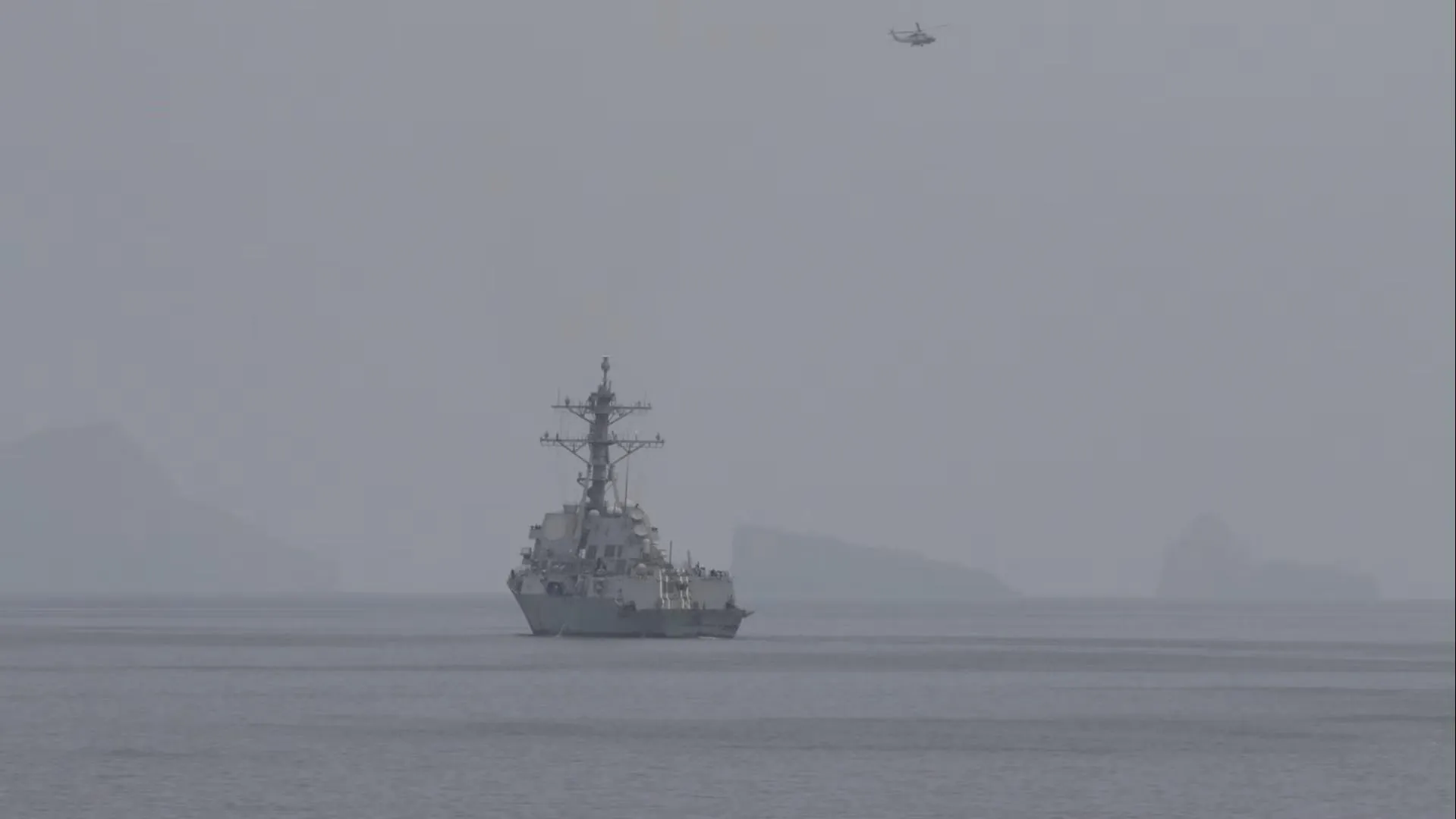
The Pentagon is evaluating how to clear naval mines from the Strait of Hormuz amid ongoing tensions with Iran. A Washington Post report cited a classified briefing estimating the clearance could take six months, but Pentagon officials, including spokesman Sean Parnell, rejected this timeline as inaccurate and unacceptable. Iran has reportedly deployed over 20 mines, some GPS-guided, and declared a large 'danger zone' in the area. Shipping companies remain concerned about safe passage through the strait.
First-hand measurement across 4 sources
We measured how 4 outlets covered this story. Coverage leans balanced overall (Left 8%, Centre 86%, Right 6%). Overall sentiment is neutral (40/100). Lens Score 35/100 — moderate-to-low public interest.
Outlets analysed (first-hand measurement by TBN's Bias Engine):
- wion— balanced framing, neutral sentiment
- firstpost— balanced framing, neutral sentiment
- businessstandard— balanced framing, neutral sentiment
- ndtv— balanced framing, neutral sentiment
AI Analysis
The articles present perspectives from U.S. defense officials and media reports, reflecting a mix of government denial and external reporting. The Pentagon's rejection of the six-month estimate contrasts with the Washington Post's sourcing of classified briefings, showing tension between official narratives and investigative journalism. Iranian positions are referenced indirectly through reported mine deployments and warnings, providing a broader geopolitical context without direct Iranian statements.
The overall tone is cautious and factual, with a focus on operational challenges and security concerns. The Pentagon's dismissal of the six-month timeline introduces a defensive stance, while reports highlight ongoing risks to maritime traffic. Coverage balances concern over mine threats with official reassurances, resulting in a mixed but measured sentiment without sensationalism.