1 hour agoPolitics
30LENS
2 Sources
 thebalanced.news
Supreme Court Limits High Courts from Directing FIR Registration Without Exhausting Statutory Remedies
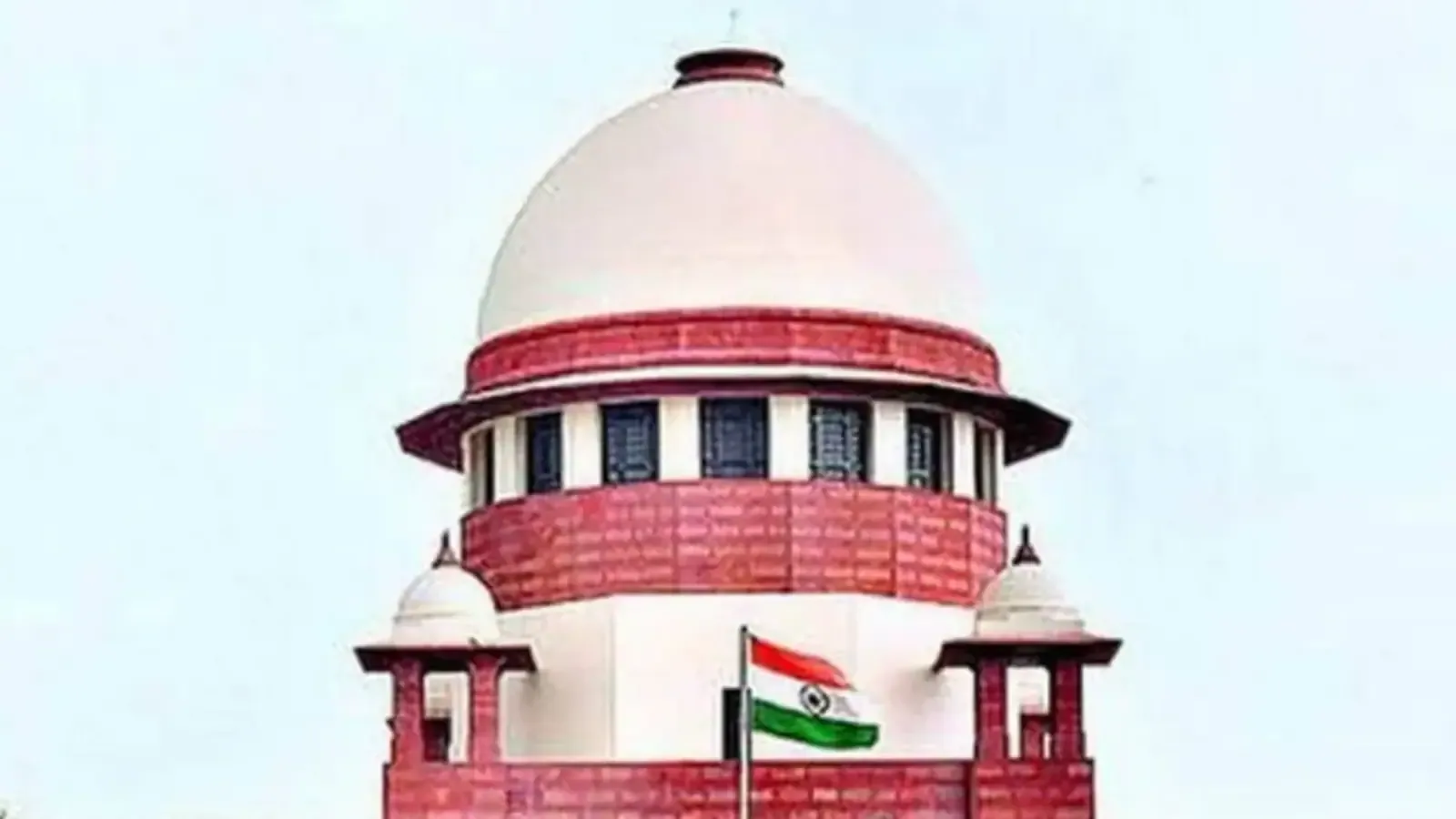
The Supreme Court ruled that high courts cannot direct the registration of an FIR without the petitioner first exhausting statutory remedies under the Bharatiya Nagarik Suraksha Sanhita (BNSS), 2023. The court emphasized that while high courts have wide jurisdiction under Article 226, this power is discretionary and subject to restrictions. The judgment arose from a challenge to a Bombay High Court order directing FIR registration, which the Supreme Court set aside, underscoring the need to follow prescribed legal procedures before invoking writ jurisdiction.
Political Bias
10%85%5%
Sentiment
52%
AI Analysis
Political bias across 2 sources
● Left 10%● Center 85%● Right 5%
The articles present a legal ruling focused on procedural aspects of criminal law without political framing. Both sources emphasize the Supreme Court's interpretation of judicial powers and statutory processes, reflecting a neutral legal perspective. There is no evident political bias, as the coverage centers on judicial procedure and constitutional provisions rather than political implications.
Sentiment — Neutral (52/100)
The tone across the articles is neutral and factual, focusing on the Supreme Court's legal reasoning and procedural guidance. There is no emotional or evaluative language, and the coverage maintains an objective stance on the court's decision, presenting it as a clarification of legal norms rather than a contentious or celebratory event.
How 2 sources covered this story
Each source's own headline, political lean, and sentiment — so you can see framing differences at a glance.
| Source | Their headline | Bias | Sentiment |
|---|---|---|---|
| theprint | High courts can't direct registration of FIR without applicant exhausting statutory alternatives: SC | Center | Neutral |
| news18 | SC Rules HCs Can't Direct FIR Registration Without Applicant Exhausting Statutory Alternatives | Center | Neutral |
Coverage timeline
news18 broke this story on 4 May, 02:06 pm. Other outlets followed.
- 1news184 May, 02:06 pmSC Rules HCs Can't Direct FIR Registration Without Applicant Exhausting Statutory Alternatives
- 2theprint4 May, 03:02 pmHigh courts can't direct registration of FIR without applicant exhausting statutory alternatives: SC
Lens Score breakdown
30/100
Public interest0/100
Coverage gap100%
Well-covered story — coverage matches public importance.
Who's involved
Institutions and figures named across source coverage.
Judiciary
Supreme CourtHigh Courts
Story context
- Category
- Politics
- Sources analysed
- 2
- Last analysed
- 4 May 2026
- Key entities
- High courts of PakistanFirst information reportJurisdictionStatuteWritAugustine George MasihCriminal procedureBombay High CourtConstitution of IndiaCognisable offenceSuperintendent (police)Supreme court
Related Coverage
Select a news story to see related coverage from other media outlets.