1 hour agoPolitics
32LENS
22 SourcesDelhi, India
 thebalanced.news
Supreme Court Upholds Termination of 30-Week Pregnancy of Minor Rape Survivor, Urges Law Amendment
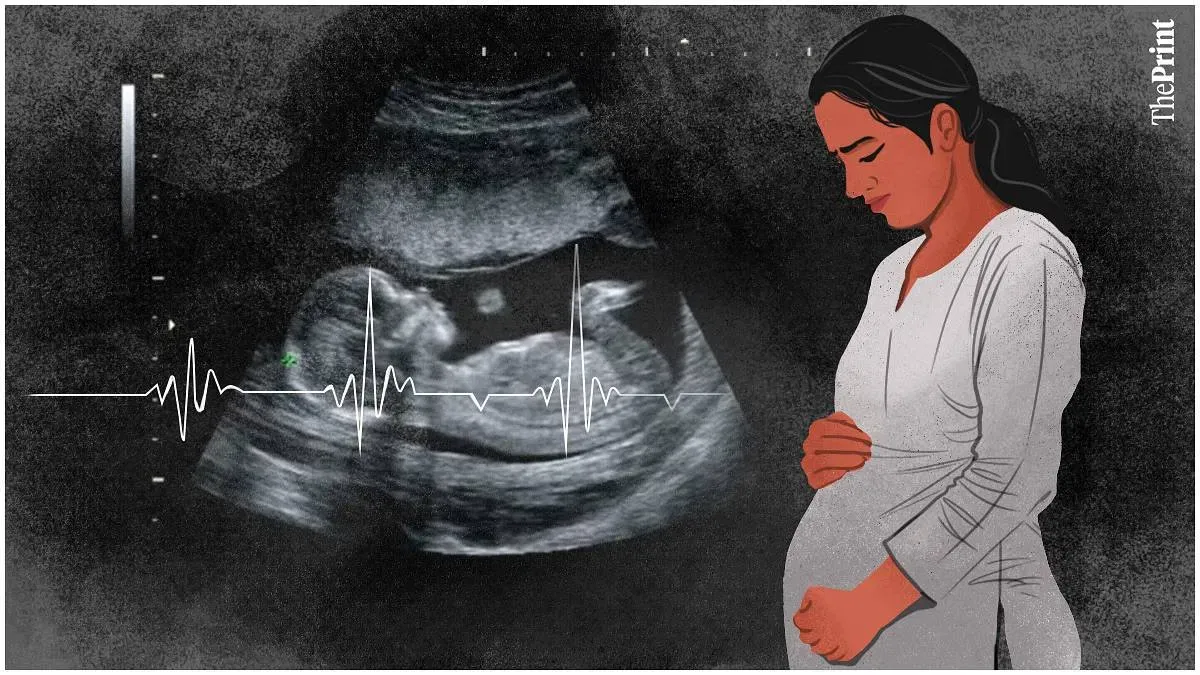
The Supreme Court of India dismissed a curative plea by AIIMS challenging its April 24 order permitting a 15-year-old rape survivor to medically terminate her 30-week pregnancy. The court emphasized the minor's reproductive autonomy and ruled that the decision rests with her and her parents. It urged the Centre to amend abortion laws to allow termination beyond 20 weeks in rape cases, citing the need for laws to evolve. AIIMS raised concerns about potential lifelong health complications for the minor and viability of the fetus, but the court prioritized the survivor's rights and trauma.
Political Bias
62%37%1%
Sentiment
54%
AI Analysis
Political bias across 22 sources
● Left 62%● Center 37%● Right 1%
The article group presents perspectives from the judiciary, AIIMS medical experts, and the government. The Supreme Court's stance supports reproductive rights and law reform, emphasizing individual autonomy. AIIMS raises medical and ethical concerns about late-term abortion risks. Coverage reflects a legal and ethical debate without partisan framing, focusing on institutional viewpoints and survivor welfare.
Sentiment — Neutral (54/100)
The overall tone is serious and empathetic, highlighting the trauma of the minor rape survivor and the legal complexities involved. While AIIMS expresses caution about medical risks, the Supreme Court's firm support for the survivor's choice conveys a protective and rights-affirming sentiment. The coverage balances concern for health implications with respect for personal autonomy, resulting in a predominantly neutral to cautiously supportive sentiment.
How 15 sources covered this story
Each source's own headline, political lean, and sentiment — so you can see framing differences at a glance.
Coverage timeline
businessstandard broke this story on 30 Apr, 06:35 am. Other outlets followed.
- 1businessstandard30 Apr, 06:35 amCentre should amend law on terminating pregnancy of rape survivors: SC
- 2hindustantimes30 Apr, 06:58 am'State can't choose for citizens': SC refuses to reopen 15-year-old's abortion case
- 3economictimes30 Apr, 06:59 amSC asks Centre to consider amending law on terminating pregnancy of rape survivors
- 4theassamtribune30 Apr, 07:33 amSC urges Centre to revisit abortion law for rape survivors beyond 20 weeks The top court said when there is pregnancy due to rape, there should not be a time limit. Law needs to be organic and in sync with evolving time, it stressed.
- 5freepressjournal30 Apr, 07:37 amSupreme Court Backs Minor Rape Survivor's Right To Terminate 30-Week Pregnancy, Urges Law Reform
- 6thetribune30 Apr, 07:38 amSC asks Centre to consider amending law on terminating pregnancy of rape survivors - The Tribune
- 7thetelegraph30 Apr, 07:47 amSC backs survivor choice, asks Centre to revisit law on pregnancy termination in rape cases; opposes AIIMS plea
- 8thetribune30 Apr, 08:01 amAIIMS doctors must terminate 30-week pregnancy of minor rape victim, says SC - The Tribune
- 9timesnow30 Apr, 08:06 amSC Dismisses AIIMS' Plea Against Minor's Abortion, Asks Centre to Revisit Abortion Law
- 10thehindu30 Apr, 08:13 amMinor's pregnancy: Amend law on pregnancy termination of rape survivors, says Supreme Court
Lens Score breakdown
32/100
Public interest0/100
Coverage gap100%
Well-covered story — coverage matches public importance.
Who's involved
Institutions and figures named across source coverage.
Government
All India Institute of Medical SciencesSupreme Court
Judiciary
Delhi High CourtSupreme Court of IndiaSupreme Court
Story context
- Category
- Politics
- Location
- Delhi, India
- Sources analysed
- 22
- Last analysed
- 30 Apr 2026
- Key entities
- All India Institutes of Medical SciencesPregnancyRapeSupreme Court of IndiaChief Justice of IndiaInjuryAbortionUjjal BhuyanSolicitor General of IndiaUnintended pregnancyChild sexual abuseCurative petition
Related Coverage
Select a news story to see related coverage from other media outlets.