1 hour agoPolitics
30LENS
2 SourcesIndia
 thebalanced.news
India Plans E85 Ethanol Petrol Rollout to Boost Energy Security by Year-End
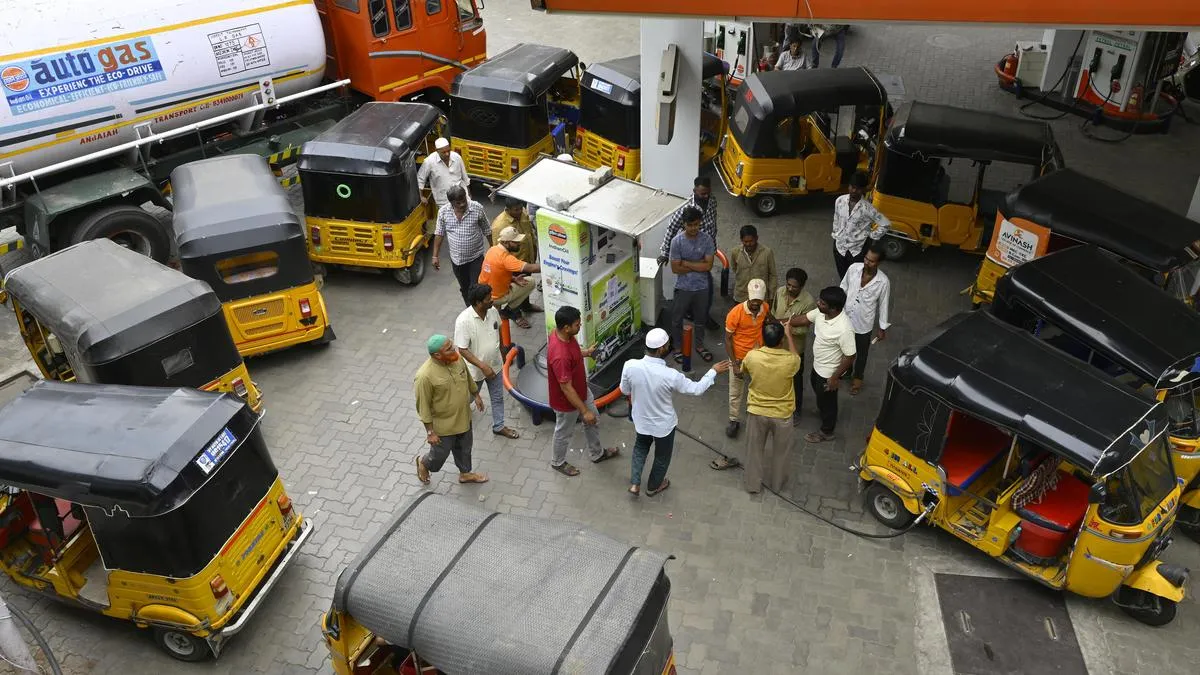
India is advancing its ethanol blending efforts to enhance energy security and reduce oil imports. The government plans to introduce E85 petrol, containing 85% ethanol, by year-end, following consultations with automakers capable of producing flex-fuel vehicles that adjust to various ethanol blends. Currently, E20 petrol is nationwide, with standards for higher blends like E22, E25, and E26 under development. Ethanol, mainly from sugar molasses, offers a renewable fuel alternative, aligning with India's biofuels policy goals.
Political Bias
10%80%10%
Sentiment
70%
AI Analysis
Political bias across 2 sources
● Left 10%● Center 80%● Right 10%
The articles present a largely policy-focused perspective emphasizing government initiatives and industry readiness without partisan framing. They highlight official statements and industry consultations, reflecting a consensus on advancing ethanol blending for energy security. No significant political controversy or opposition viewpoints are included, resulting in a neutral presentation centered on policy and technological developments.
Sentiment — Positive (70/100)
The overall tone is informative and cautiously optimistic, focusing on technological feasibility and policy progress. Coverage underscores potential benefits like reduced oil imports and environmental gains without overstating outcomes. There is no evident criticism or negative framing, resulting in a generally positive but measured sentiment toward ethanol blending initiatives.
How 2 sources covered this story
Each source's own headline, political lean, and sentiment — so you can see framing differences at a glance.
| Source | Their headline | Bias | Sentiment |
|---|---|---|---|
| thehindu | How are ethanol-blending and India's energy security linked? Explained | Center | Neutral |
| hindustantimes | E85 adoption to be optional for consumers, rollout by year end | Center | Positive |
Coverage timeline
hindustantimes broke this story on 24 Apr, 01:43 am. Other outlets followed.
- 1hindustantimes24 Apr, 01:43 amE85 adoption to be optional for consumers, rollout by year end
- 2thehindu24 Apr, 02:20 amHow are ethanol-blending and India's energy security linked? Explained
Lens Score breakdown
30/100
Public interest0/100
Coverage gap100%
Well-covered story — coverage matches public importance.
Who's involved
Institutions and figures named across source coverage.
Government
Union Road Transport and Highways MinistryModi GovernmentBureau of Indian Standards
Corporate
Triveni GroupToyota Kirloskar MotorIndian Sugar Bio-energy Manufacturers Association
Story context
- Category
- Politics
- Location
- India
- Sources analysed
- 2
- Last analysed
- 24 Apr 2026
- Key entities
- IndiaEthanolGasolineHighwayUnited StatesAviation biofuelCommon ethanol fuel mixturesE85Flexible-fuel vehicleFuel injectionCombustionAutomotive industry
Related Coverage
Select a news story to see related coverage from other media outlets.