3 hours agoPolitics
33LENS
2 SourcesIndia
 thebalanced.news
India Considers Renaming 'Civil Lines' Areas to Reflect Post-Colonial Identity
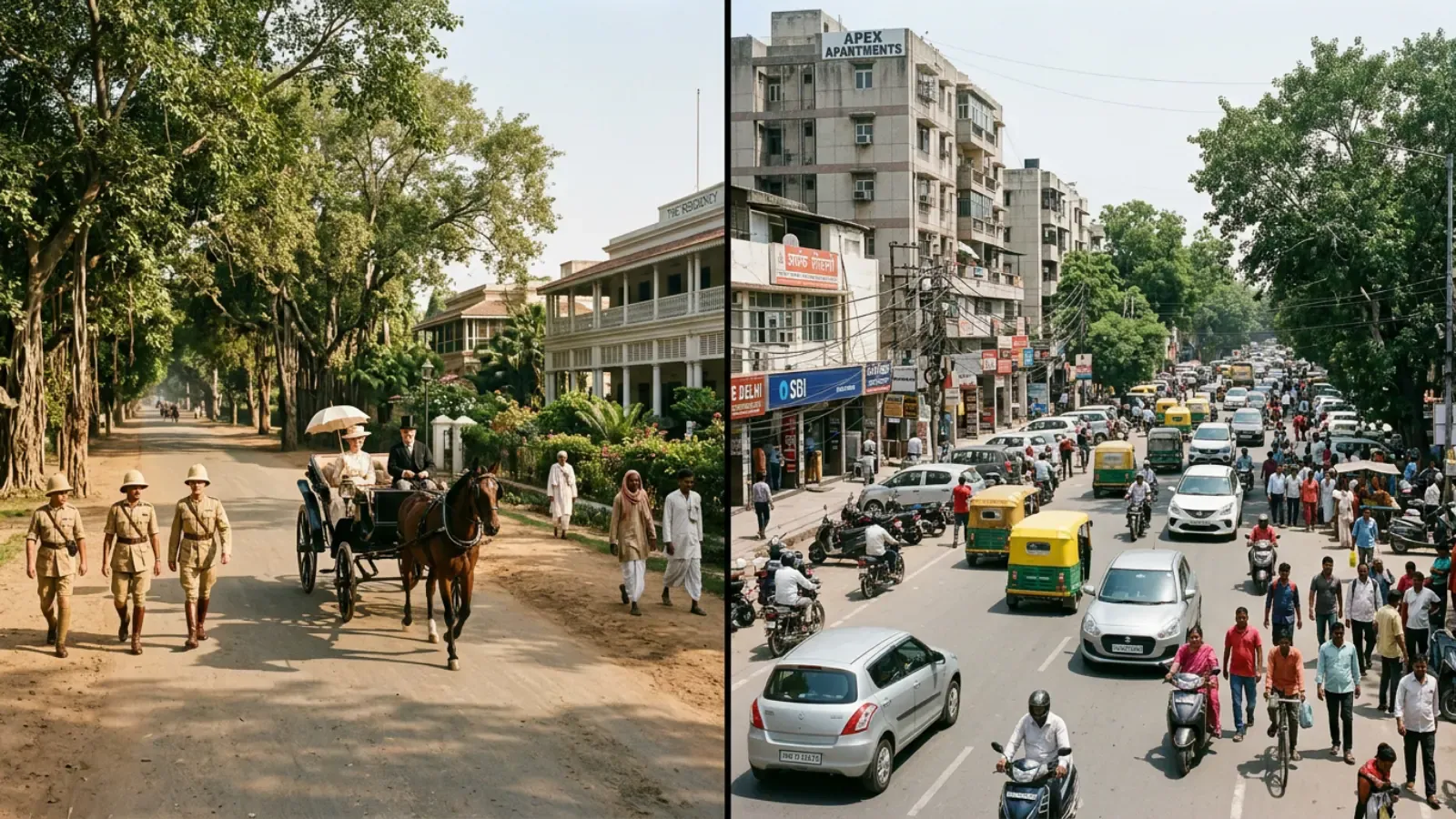
The Indian government is considering phasing out the term 'Civil Lines,' a colonial-era designation for exclusive residential zones for British civilian officers established in the 19th century. This initiative, part of a wider effort to replace colonial-era names with ones reflecting Indian identity, follows Prime Minister Modi's directive to review and suggest alternatives to outdated colonial nomenclature. 'Civil Lines' areas, characterized by spacious layouts distinct from older city parts, are found across several northern and central Indian states.
Political Bias
10%82%8%
Sentiment
58%
AI Analysis
Political bias across 2 sources
● Left 10%● Center 82%● Right 8%
The articles present a government-led initiative to revisit colonial-era names without overt political framing. They reflect perspectives emphasizing national identity and cultural reclamation, primarily highlighting official actions and directives. There is no evident partisan critique or opposition viewpoint, focusing instead on the administrative process and historical context.
Sentiment — Neutral (58/100)
The tone across the articles is neutral to mildly positive, emphasizing a cultural and administrative effort to update colonial legacies. The coverage avoids emotional language, presenting the initiative as a factual development with historical background, without expressing controversy or dissent.
How 2 sources covered this story
Each source's own headline, political lean, and sentiment — so you can see framing differences at a glance.
| Source | Their headline | Bias | Sentiment |
|---|---|---|---|
| news18 | Centre May Soon Erase 'Civil Lines': A Look At The Colonial Hangover That Shaped Our Cities | Center | Neutral |
| timesnow | Delhi Civil Lines Set to Vanish? Why Centre's Drive Aims To Rename Colonial Shadows | Center | Neutral |
Coverage timeline
timesnow broke this story on 20 Apr, 05:23 am. Other outlets followed.
- 1timesnow20 Apr, 05:23 amDelhi Civil Lines Set to Vanish? Why Centre's Drive Aims To Rename Colonial Shadows
- 2news1820 Apr, 09:21 amCentre May Soon Erase 'Civil Lines': A Look At The Colonial Hangover That Shaped Our Cities
Lens Score breakdown
33/100
Public interest0/100
Coverage gap100%
Well-covered story — coverage matches public importance.
Who's involved
Institutions and figures named across source coverage.
Government
MinistriesCentral GovernmentPrime Minister's OfficeDepartments
Story context
- Category
- Politics
- Location
- India
- Sources analysed
- 2
- Last analysed
- 20 Apr 2026
- Key entities
- Civil LinesBritish RajIndiaNarendra ModiThe Times of IndiaCentral IndiaCantonmentIndian independence movementBazaarBiharMadhya PradeshPunjab, India
Related Coverage
Select a news story to see related coverage from other media outlets.