2 hours agoPolitics
38LENS
2 SourcesIran
 thebalanced.news
Israel's Ambassador Discusses Iran's IRGC Role and Impact of 'Hormuz Card' Strategy
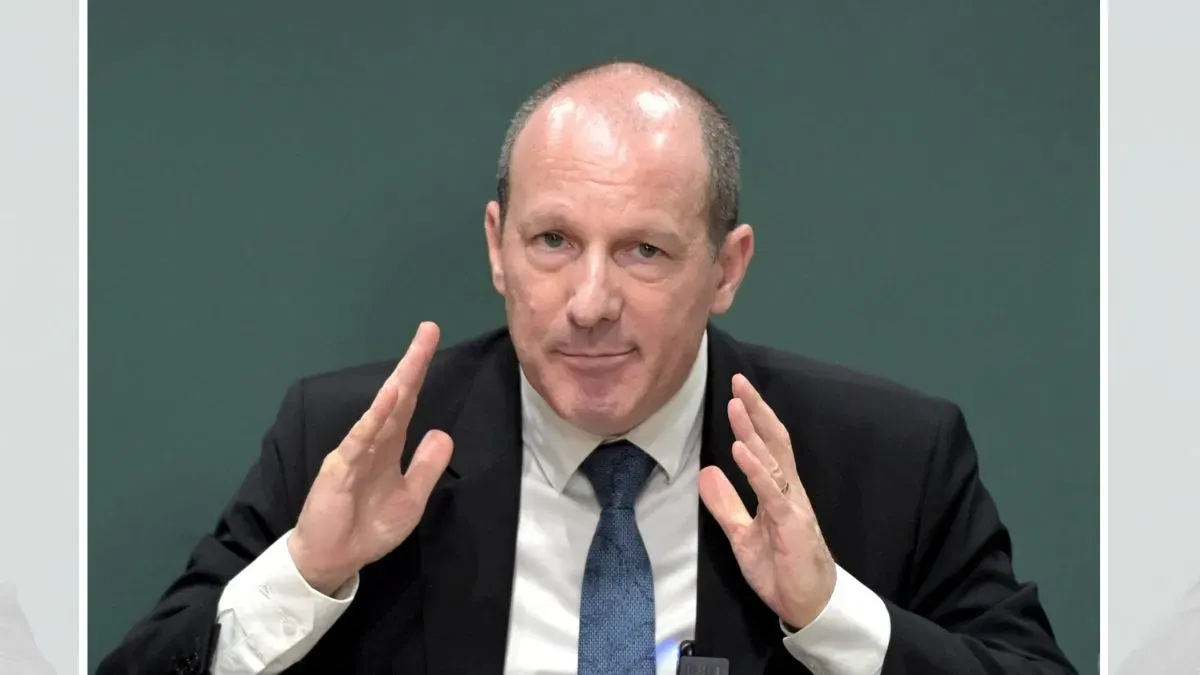
Israel's Ambassador to India, Reuven Azar, stated that Iran's use of the 'Hormuz card' backfired, prompting a US naval blockade and impacting global energy markets. He highlighted the IRGC's central role in Iran's defense after joint US-Israeli strikes and noted Iran's missile and drone attacks on Gulf Cooperation Council states, especially the UAE. Azar expressed cautious hope for a political resolution but was skeptical due to IRGC policies. He clarified that regime change was not Israel's war objective, emphasizing internal Iranian dissent and recent protests.
Political Bias
10%80%10%
Sentiment
32%
AI Analysis
Political bias across 2 sources
● Left 10%● Center 80%● Right 10%
The articles primarily reflect the Israeli government's perspective through Ambassador Azar's statements, focusing on Iran's military actions and strategic decisions. They present Israel's cautious stance on regime change and highlight US involvement, without including Iranian or Gulf states' viewpoints. This framing centers on security concerns and diplomatic hopes from the Israeli side.
Sentiment — Negative (32/100)
The tone across the articles is measured and cautious, combining criticism of Iran's military tactics with restrained optimism for a diplomatic outcome. The coverage conveys concern over regional tensions and economic impacts while avoiding overtly negative or positive language, maintaining a balanced and professional tone.
How 2 sources covered this story
Each source's own headline, political lean, and sentiment — so you can see framing differences at a glance.
| Source | Their headline | Bias | Sentiment |
|---|---|---|---|
| theprint | IRGC calling the shots in Iran, 'Hormuz card' boomeranged -- Israel's Ambassador to India Reuven Azar | Center | Neutral |
| theprint | IRGC calling the shots in Iran, 'Hormuz card' boomeranged -- Israel's Ambassador to India Reuven Azar | Center | Negative |
Coverage timeline
theprint broke this story on 1 May, 03:12 am. Other outlets followed.
- 1theprint1 May, 03:12 amIRGC calling the shots in Iran, 'Hormuz card' boomeranged -- Israel's Ambassador to India Reuven Azar
- 2theprint1 May, 03:27 amIRGC calling the shots in Iran, 'Hormuz card' boomeranged -- Israel's Ambassador to India Reuven Azar
Lens Score breakdown
38/100
Public interest0/100
Coverage gap100%
Story is receiving appropriate media attention relative to public interest.
Who's involved
Institutions and figures named across source coverage.
Government
Iranian GovernmentUnited States Congress
Political
US CongressIsraeli EmbassyUS Administration
Enforcement
Islamic Revolutionary Guard Corps
Story context
- Category
- Politics
- Location
- Iran
- Sources analysed
- 2
- Last analysed
- 1 May 2026
- Key entities
- IranIsraelIslamic Revolutionary Guard CorpsStrait of HormuzRegime changeGulf Cooperation CouncilBlockadeUnmanned aerial vehicleTehranSaudi ArabiaQatarOman
Related Coverage
Select a news story to see related coverage from other media outlets.