52 minutes agoPolitics
32LENS
2 SourcesIran
 thebalanced.news
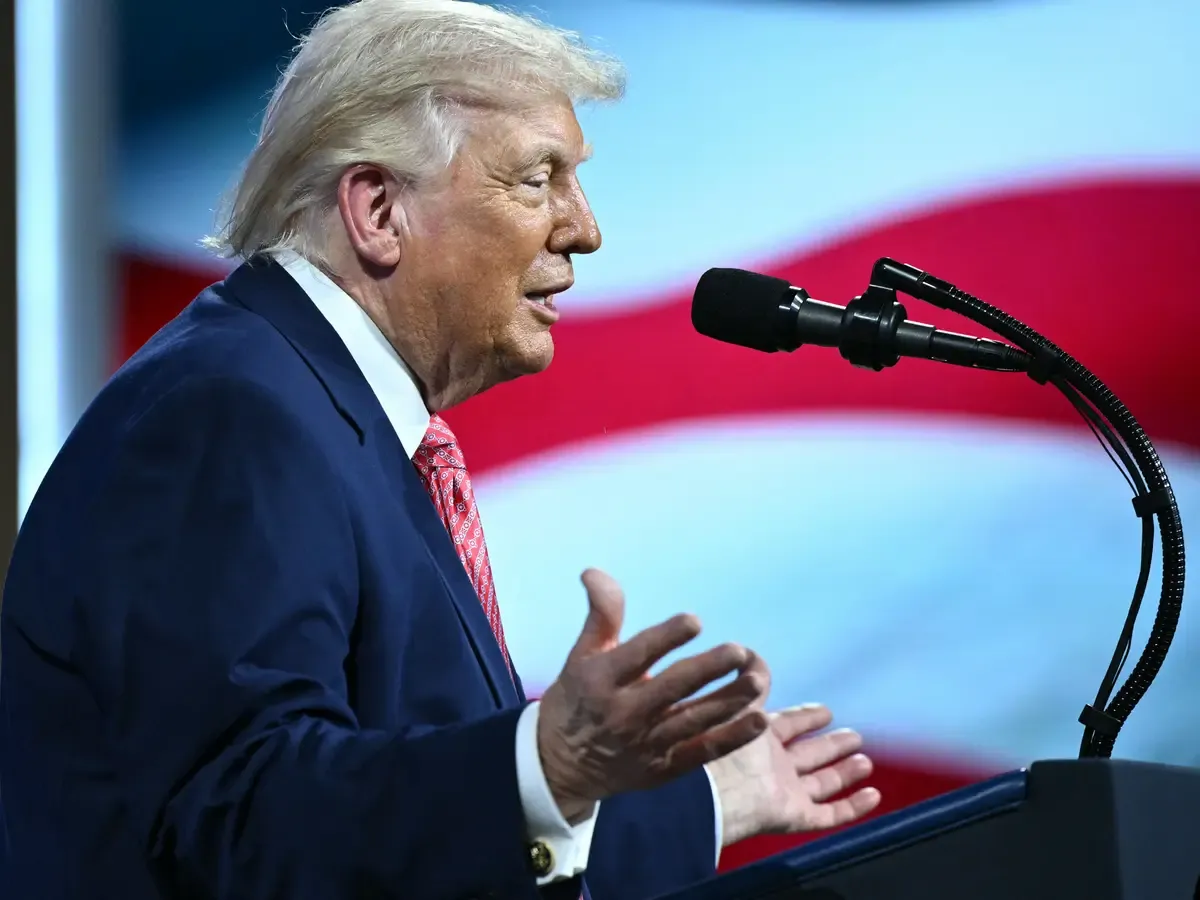
Trump Accuses U.S. Media of 'Treason' Over Iran War Coverage Amid Security Concerns
U.S. President Donald Trump accused American media of committing 'virtual treason' by reporting that Iran is militarily doing well amid ongoing conflict. He claimed such coverage gives Iran false hope and accused media outlets of aiding the enemy. Trump reiterated that Iran's military capabilities have been severely damaged by U.S. and Israeli forces. Meanwhile, Israeli officials expressed concern over potential U.S.-Iran negotiations that might not fully address key security issues.
Political Bias
15%75%10%
Sentiment
32%
AI Analysis
Political bias across 2 sources
● Left 15%● Center 75%● Right 10%
The articles primarily reflect perspectives aligned with former President Trump's critical stance toward the U.S. media, portraying them as undermining national security. They also include Israeli concerns about U.S.-Iran negotiations. The coverage centers on official statements and reported reactions without extensive counterpoints from media representatives or Iranian sources, highlighting a focus on government and political viewpoints.
Sentiment — Negative (32/100)
The tone across the articles is predominantly critical and confrontational, reflecting Trump's strong condemnation of media coverage. The language used conveys tension and distrust between the administration and the press. Israeli concerns add a cautious and apprehensive sentiment regarding diplomatic developments, resulting in an overall serious and tense mood.
How 2 sources covered this story
Each source's own headline, political lean, and sentiment — so you can see framing differences at a glance.
| Source | Their headline | Bias | Sentiment |
|---|---|---|---|
| wion | Trump calls Iran war coverage showing Tehran 'doing well' 'virtual TREASON' | Center | Neutral |
| hindustantimes | 'Giving Iran false hope': Trump accuses US media of 'treason' over war coverage truth social post | Center | Negative |
Coverage timeline
hindustantimes broke this story on 12 May, 09:41 pm. Other outlets followed.
- 1hindustantimes12 May, 09:41 pm'Giving Iran false hope': Trump accuses US media of 'treason' over war coverage truth social post
- 2wion12 May, 10:25 pmTrump calls Iran war coverage showing Tehran 'doing well' 'virtual TREASON'
Lens Score breakdown
32/100
Public interest0/100
Coverage gap100%
Well-covered story — coverage matches public importance.
Who's involved
Institutions and figures named across source coverage.
Government
White HouseAttorney General OfficeJustice Department
Political
Donald Trump
Story context
- Category
- Politics
- Location
- Iran
- Sources analysed
- 2
- Last analysed
- 12 May 2026
- Key entities
- TreasonDonald TrumpIranTehranUnited StatesIsraelCNNSocial mediaChinaUnited States Attorney GeneralEarthquakeIsraeli–Palestinian conflict
Related Coverage
Select a news story to see related coverage from other media outlets.