1 hour agoPolitics
29LENS
2 SourcesIran
 thebalanced.news
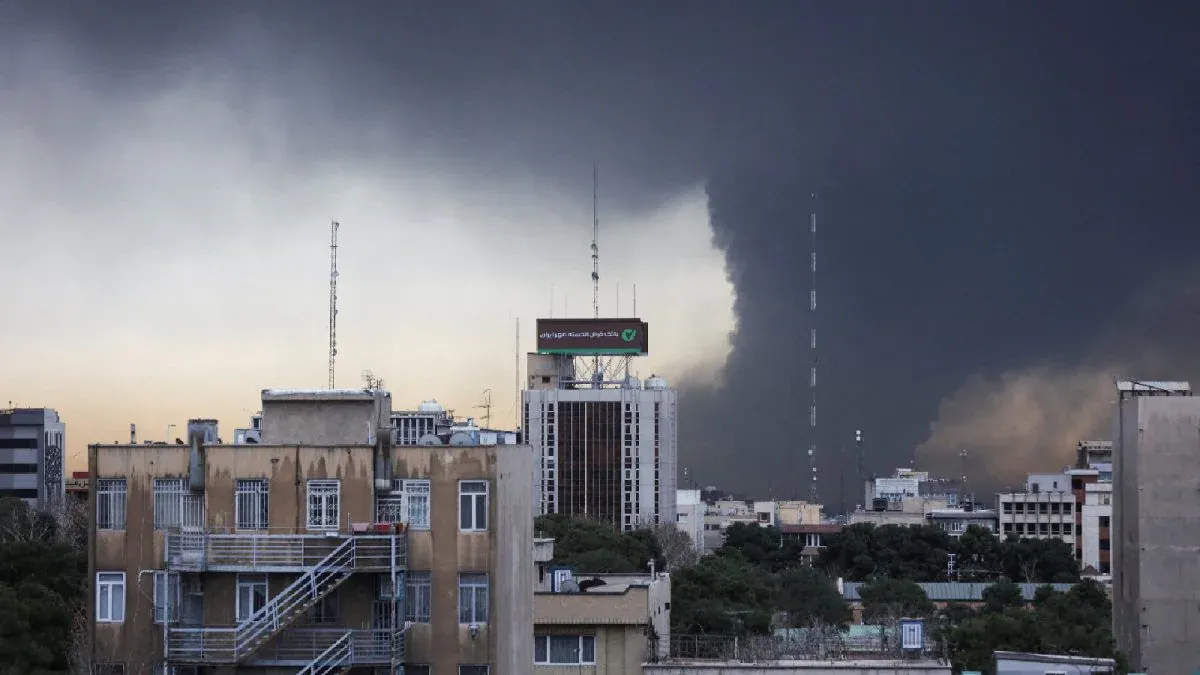
UN Highlights Daily $2 Billion Cost of Iran Conflict and Global Humanitarian Impact
Tom Fletcher, head of the UN humanitarian agency, highlighted that the Iran conflict costs about $2 billion daily, funds that could have supported emergency aid to save 87 million lives. He warned the war's economic impact, including rising food and fuel prices, is pushing vulnerable populations in sub-Saharan and East Africa into poverty. Fletcher also noted a 50% cut in his agency's budget amid global reductions in overseas aid and cautioned against the normalization of violent rhetoric in conflicts.
Political Bias
55%45%0%
Sentiment
30%
AI Analysis
Political bias across 2 sources
● Left 55%● Center 45%● Right 0%
The articles present perspectives primarily from the UN humanitarian chief, focusing on the financial and humanitarian consequences of the Iran conflict. They include criticism of reduced overseas aid budgets and political rhetoric without aligning with specific political parties. The coverage reflects concerns about global economic effects and humanitarian funding challenges, incorporating views on political leadership and language use without partisan framing.
Sentiment — Negative (30/100)
The overall tone is cautionary and critical, emphasizing the severe humanitarian and economic costs of the Iran conflict and funding shortfalls. While highlighting the potential lives saved through aid, the coverage conveys concern over worsening poverty and the dangers of violent language normalization, resulting in a predominantly negative but informative sentiment.
How 2 sources covered this story
Each source's own headline, political lean, and sentiment — so you can see framing differences at a glance.
| Source | Their headline | Bias | Sentiment |
|---|---|---|---|
| news18 | How Much Is Iran War Costing And How Many Lives Could That Money Have Saved Instead? | Center | Negative |
| indianexpress | Iran war-funding could have saved 87 million lives, says UN: Here's how much is spent on the conflict every day | Left | Negative |
Coverage timeline
indianexpress broke this story on 21 Apr, 04:40 am. Other outlets followed.
- 1indianexpress21 Apr, 04:40 amIran war-funding could have saved 87 million lives, says UN: Here's how much is spent on the conflict every day
- 2news1821 Apr, 12:27 pmHow Much Is Iran War Costing And How Many Lives Could That Money Have Saved Instead?
Lens Score breakdown
29/100
Public interest0/100
Coverage gap100%
Well-covered story — coverage matches public importance.
Who's involved
Institutions and figures named across source coverage.
Political
United States President
Story context
- Category
- Politics
- Location
- Iran
- Sources analysed
- 2
- Last analysed
- 21 Apr 2026
- Key entities
- Tom FletcherHumanitarianismUnited NationsIranSub-Saharan AfricaEast AfricaInflationThe GuardianPovertyUnited KingdomInternational lawDonald Trump
Related Coverage
Select a news story to see related coverage from other media outlets.