2 hours agoPolitics
25LENS
2 SourcesWest Bengal, India
 thebalanced.news
West Bengal Polls See High Voter Turnout Amid Electoral Roll Revision Concerns
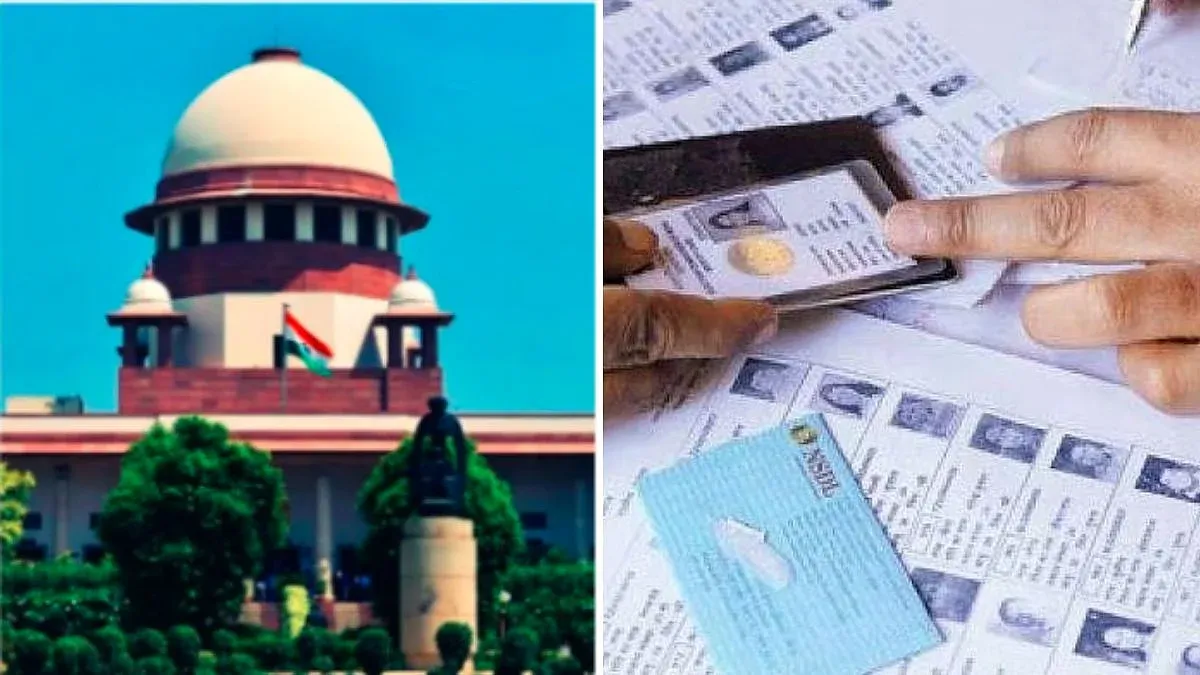
The first phase of West Bengal's assembly elections saw a record voter turnout exceeding 93%, which the Supreme Court noted as a sign of democratic strength. However, this followed a Special Intensive Revision (SIR) of electoral rolls that removed nearly 90 lakh names, sparking concerns over voter exclusion. Many legitimate voters reportedly faced deletion due to criteria like 'logical discrepancy,' leading to over 34 lakh appeals amid limited tribunal capacity. This exclusionary process may have driven increased voter participation amid anxiety over disenfranchisement.
Political Bias
65%30%5%
Sentiment
32%
AI Analysis
Political bias across 2 sources
● Left 65%● Center 30%● Right 5%
The articles present multiple perspectives: the Supreme Court and Election Commission emphasize the legitimacy and robustness of the electoral process, while critical viewpoints highlight concerns about voter exclusion due to the SIR. The coverage balances official satisfaction with democratic participation against civil society and media apprehensions about disenfranchisement and administrative challenges, reflecting a mix of institutional and public scrutiny.
Sentiment — Negative (32/100)
The overall tone is mixed, combining positive recognition of high voter turnout and democratic engagement with negative concerns about the exclusion of legitimate voters and administrative inefficiencies. While the Supreme Court's remarks convey approval, the reports of large-scale deletions and unresolved appeals introduce a critical and uneasy sentiment regarding the electoral roll revision's impact.
How 2 sources covered this story
Each source's own headline, political lean, and sentiment — so you can see framing differences at a glance.
| Source | Their headline | Bias | Sentiment |
|---|---|---|---|
| thetelegraph | Fine print: Editorial on the unprecedented voter turnout in first phase of Bengal polls | Left | Neutral |
| freepressjournal | Supreme Court's Pragmatic Observation On Electoral Roll Revision Raises Deep Concerns Over Democracy And Voter Exclusion | Left | Negative |
Coverage timeline
freepressjournal broke this story on 26 Apr, 04:28 pm. Other outlets followed.
- 1freepressjournal26 Apr, 04:28 pmSupreme Court's Pragmatic Observation On Electoral Roll Revision Raises Deep Concerns Over Democracy And Voter Exclusion
- 2thetelegraph27 Apr, 03:39 amFine print: Editorial on the unprecedented voter turnout in first phase of Bengal polls
Lens Score breakdown
25/100
Public interest0/100
Coverage gap100%
Well-covered story — coverage matches public importance.
Accountability flags
TBN's analysis identified the following accountability dimensions in this story.
- abuse of power
This story involves alleged misuse of official authority or institutional position to achieve personal or political ends.
- systemic failure
This story points to a failure in institutional processes — regulation, safety, oversight, or service delivery breaking down at scale.
- rights violation
This story involves alleged violations of constitutional or human rights — freedom of expression, due process, custodial rights, minority rights.
- electoral malpractice
This story involves alleged interference in elections — voter suppression, booth capture, misuse of machinery, or funding violations.
Who's involved
Institutions and figures named across source coverage.
Political
Election Commission of IndiaElection Commission
Judiciary
Supreme Court
Story context
- Category
- Politics
- Location
- West Bengal, India
- Sources analysed
- 2
- Last analysed
- 27 Apr 2026
- Key entities
- Electoral rollElectoral districtDemocracyLakhWest BengalPragmatismSupreme Court of IndiaAdjudicationProcedural lawMathematicsMurshidabad2010 United Kingdom general election
Related Coverage
Select a news story to see related coverage from other media outlets.