2 hours agoPolitics
35LENS
2 SourcesPunjab, India, India
 thebalanced.news
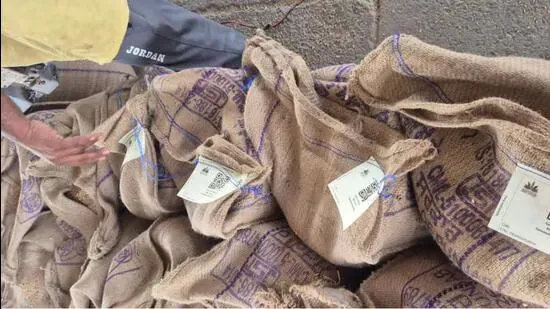
Pilot Project Introduces QR Codes on Wheat Bags to Track Supply Chain in Punjab
The central government has launched a pilot project in Punjab, Madhya Pradesh, and Rajasthan to affix QR codes on select wheat bags to enhance transparency and prevent pilferage in the foodgrain supply chain. These codes enable real-time tracking from procurement centres to ration depots, aiming to curb recycling scams where subsidised wheat is resold at higher prices. While officials are conducting training for uniform implementation, some arhtiyas (commission agents) in Punjab have expressed resistance, citing increased workload without compensation.
Political Bias
10%85%5%
Sentiment
60%
AI Analysis
Political bias across 2 sources
● Left 10%● Center 85%● Right 5%
The articles primarily present the government's initiative to improve transparency in wheat procurement, including official perspectives and procedural details. They also include the viewpoint of the arhtiya community opposing the QR code implementation due to workload concerns. The coverage reflects both administrative intentions and stakeholder resistance without favoring either side.
Sentiment — Neutral (60/100)
The overall tone is neutral and informative, focusing on the pilot project's objectives and operational aspects. While officials express optimism about reducing pilferage, the arhtiyas' concerns introduce a cautious note. The sentiment balances the potential benefits of the initiative with practical challenges, avoiding overtly positive or negative language.
How 2 sources covered this story
Each source's own headline, political lean, and sentiment — so you can see framing differences at a glance.
| Source | Their headline | Bias | Sentiment |
|---|---|---|---|
| hindustantimes | QR codes on wheat bags to plug pilferage; pilot kicks off in Punjab | Center | Neutral |
| hindustantimes | Punjab: Officials familiarised with QR-coded wheat bags | Center | Neutral |
Coverage timeline
hindustantimes broke this story on 29 Apr, 01:58 am. Other outlets followed.
- 1hindustantimes29 Apr, 01:58 amPunjab: Officials familiarised with QR-coded wheat bags
- 2hindustantimes29 Apr, 09:39 amQR codes on wheat bags to plug pilferage; pilot kicks off in Punjab
Lens Score breakdown
35/100
Public interest0/100
Coverage gap100%
Story is receiving appropriate media attention relative to public interest.
Who's involved
Institutions and figures named across source coverage.
Government
Food and Civil Supplies DepartmentState Government of PunjabProcurement AgenciesPunjab Food and Civil Supplies DirectorateCentral Government
Story context
- Category
- Politics
- Location
- Punjab, India, India
- Sources analysed
- 2
- Last analysed
- 29 Apr 2026
- Key entities
- ProcurementQR codeWheatPunjab, IndiaReal-time computingWarehouseStockDecentralizationGrainDigital identityParty of Democratic Socialism (Germany)Reseller
Related Coverage
Select a news story to see related coverage from other media outlets.