1 hour agoPolitics
31LENS
2 SourcesIndia
 thebalanced.news
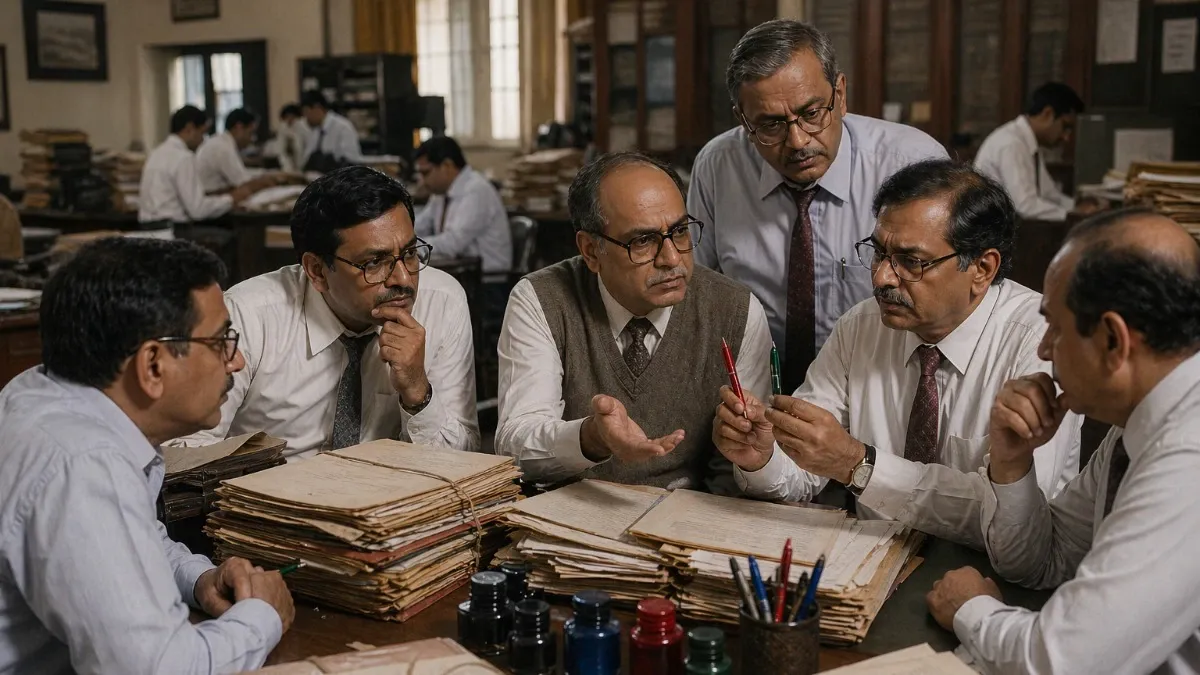
Colonial-Era Practices Persist in Indian Bureaucracy's Daily Operations
India's bureaucracy retains several colonial-era practices, such as the use of white towels draped over chairs and debates over ink colours for official files. These customs, originating from British administrative needs like hygiene and document preservation, persist decades after independence. Observers and former officials highlight how these traditions symbolize hierarchical structures and reflect the enduring influence of colonial legacy on daily bureaucratic functions in government offices across India.
Political Bias
15%80%5%
Sentiment
42%
AI Analysis
Political bias across 2 sources
● Left 15%● Center 80%● Right 5%
The articles present a largely descriptive view of bureaucratic traditions without partisan framing. They include perspectives from former officials and commentators who reflect on the colonial origins of these practices, emphasizing institutional inertia rather than political critique. The coverage focuses on cultural and administrative continuity, avoiding alignment with specific political ideologies or parties.
Sentiment — Neutral (42/100)
The tone across the articles is neutral to mildly critical, highlighting the persistence of outdated customs with a mix of factual recounting and subtle irony. While some anecdotes suggest inefficiency or absurdity, the overall sentiment remains balanced, acknowledging historical context and practical origins without overt negativity or praise.
How 2 sources covered this story
Each source's own headline, political lean, and sentiment — so you can see framing differences at a glance.
| Source | Their headline | Bias | Sentiment |
|---|---|---|---|
| indiatoday | Ink, Sahibs and the '13-month debate': True colours of Indian bureaucracy | Center | Neutral |
| firstpost | Why Indian government offices still have white towels on chairs | Center | Neutral |
Coverage timeline
firstpost broke this story on 21 Apr, 01:53 pm. Other outlets followed.
- 1firstpost21 Apr, 01:53 pmWhy Indian government offices still have white towels on chairs
- 2indiatoday22 Apr, 07:08 amInk, Sahibs and the '13-month debate': True colours of Indian bureaucracy
Lens Score breakdown
31/100
Public interest0/100
Coverage gap100%
Well-covered story — coverage matches public importance.
Who's involved
Institutions and figures named across source coverage.
Government
Ministry of DefenceUttar Pradesh SecretariatDirectorate of PrintingParliamentary Affairs DepartmentNational ArchivesDepartment of Personnel and TrainingMinistry of SteelDepartment of Administrative Reforms
Political
Yogi Adityanath
Story context
- Category
- Politics
- Location
- India
- Sources analysed
- 2
- Last analysed
- 22 Apr 2026
- Key entities
- British RajBureaucracyIndiaMinistry of Personnel, Public Grievances and PensionsNational Archives and Records AdministrationMinistry of SteelGovernment of IndiaArun ShourieMemoirIndependenceVice-President of IndiaIndian Institutes of Technology
Related Coverage
Select a news story to see related coverage from other media outlets.