2 hours agoPolitics
29LENS
2 SourcesNeelam District, Pakistan
 thebalanced.news
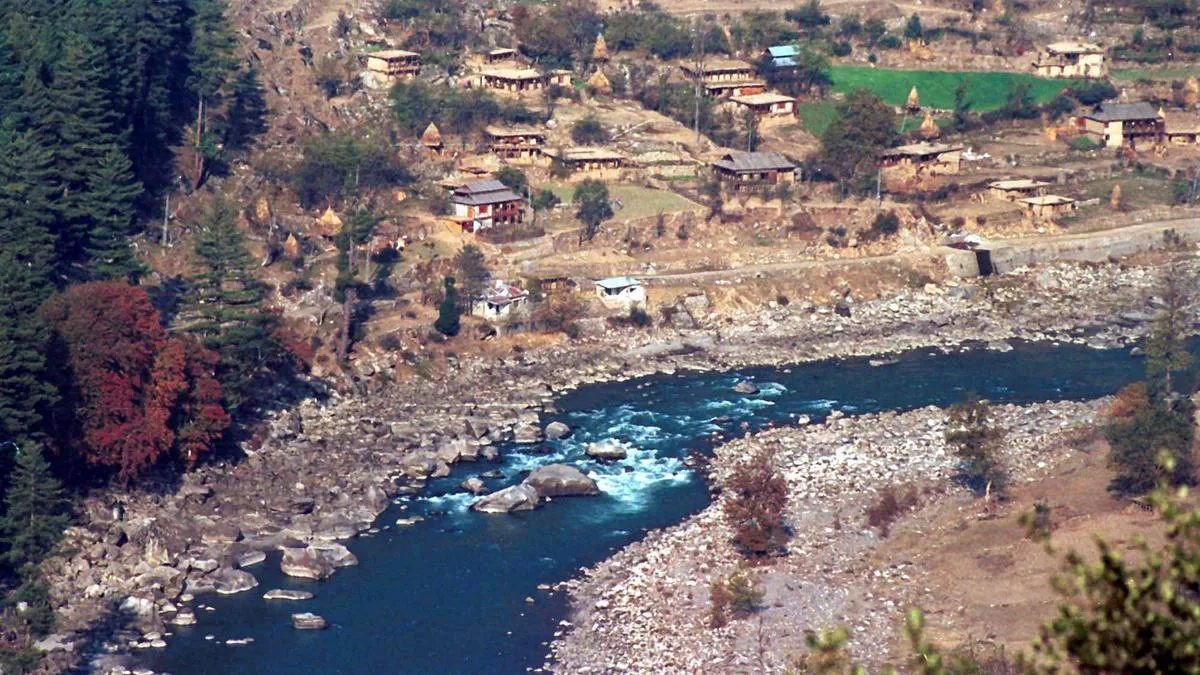
Funeral on Kishanganga River Highlights Divided Families and LoC Crossing Closure
The funeral of Raja Liaquat Ali Khan, who died of a heart attack in April, was held on the banks of the Kishanganga river, which marks the Line of Control (LoC) between Indian-administered Kashmir and Pakistan-occupied Kashmir (PoK). Due to closed crossing points since 2019, his family, divided by the LoC since the 1990s migration amid militancy, could only mourn from opposite sides of the river. The event has renewed calls to reopen LoC crossings to reunite separated families.
Political Bias
40%58%2%
Sentiment
32%
AI Analysis
Political bias across 2 sources
● Left 40%● Center 58%● Right 2%
The articles present perspectives focusing on the human impact of the LoC closure, highlighting the divided families affected by historical migration during militancy in Kashmir. They include viewpoints from local residents and officials on both sides without attributing blame, emphasizing the humanitarian aspect rather than political disputes. The coverage reflects concerns over border policies while avoiding partisan framing.
Sentiment — Negative (32/100)
The tone across the articles is somber and reflective, centered on grief and separation experienced by families divided by the LoC. While the coverage evokes empathy for those affected, it remains measured and factual, avoiding sensationalism. The sentiment is predominantly neutral to mildly negative due to the focus on loss and ongoing separation, with a hopeful undertone regarding calls to reopen crossings.
How 2 sources covered this story
Each source's own headline, political lean, and sentiment — so you can see framing differences at a glance.
| Source | Their headline | Bias | Sentiment |
|---|---|---|---|
| thetelegraph | Kashmir LoC funeral reunites divided families recalling 1990s PoK migration | Center | Neutral |
| thehindu | A grief divided: funeral held on the Kishanganga's banks prompts calls to reopen LoC crossing points | Center | Negative |
Coverage timeline
thehindu broke this story on 28 Apr, 05:00 pm. Other outlets followed.
- 1thehindu28 Apr, 05:00 pmA grief divided: funeral held on the Kishanganga's banks prompts calls to reopen LoC crossing points
- 2thetelegraph29 Apr, 02:35 amKashmir LoC funeral reunites divided families recalling 1990s PoK migration
Lens Score breakdown
29/100
Public interest0/100
Coverage gap100%
Well-covered story — coverage matches public importance.
Who's involved
Institutions and figures named across source coverage.
Government
Union Government
Story context
- Category
- Politics
- Location
- Neelam District, Pakistan
- Sources analysed
- 2
- Last analysed
- 29 Apr 2026
- Key entities
- Liaquat Ali KhanLine of ControlRajaKashmirNeelam District2018–19 Biathlon World Cup – Stage 1Kupwara districtGovernment of IndiaHuman migrationKeran, Neelum ValleyMuslimsGanderbal district
Related Coverage
Select a news story to see related coverage from other media outlets.