1 hour agoPolitics
39LENS
7 SourcesNew Delhi, India
 thebalanced.news
AIMPLB Tells Supreme Court Muslim Women Can Enter Mosques but with Certain Restrictions
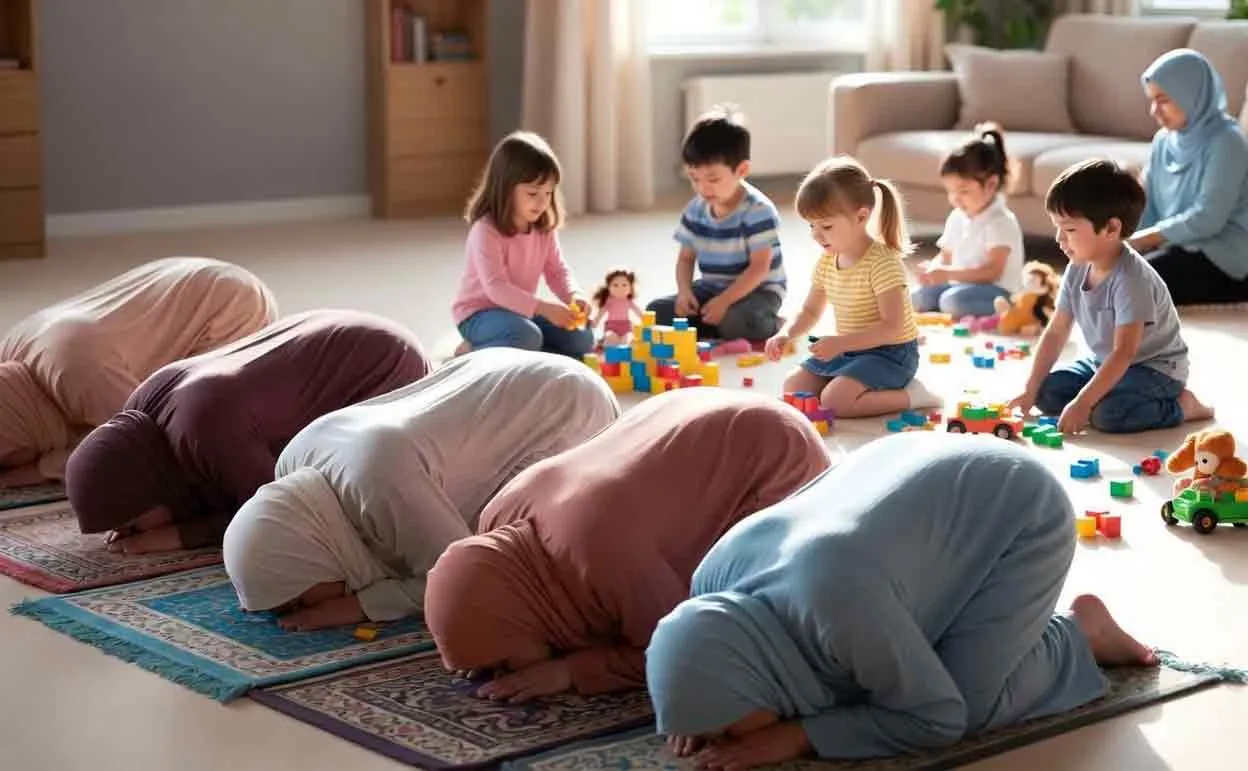
The All India Muslim Personal Law Board (AIMPLB) told the Supreme Court that Muslim women are allowed to enter mosques and offer prayers, but participation in congregational prayers is obligatory only for men. Women receive equal religious merit by praying at home, and it is considered preferable for them to do so. The AIMPLB also stated women cannot insist on entering mosques through the main door or demand removal of barriers separating men and women. These submissions were made during a nine-judge bench hearing linked to the Sabarimala reference on religious rights and practices.
Political Bias
27%68%5%
Sentiment
51%
AI Analysis
Political bias across 7 sources
● Left 27%● Center 68%● Right 5%
The article group presents perspectives primarily from the All India Muslim Personal Law Board and the Supreme Court justices, focusing on religious interpretations and constitutional questions. The coverage reflects legal and religious viewpoints without partisan framing, emphasizing the balance between religious freedom and gender rights. The sources maintain a neutral stance, reporting on the court proceedings and AIMPLB's submissions without political commentary.
Sentiment — Neutral (51/100)
The overall tone across the articles is neutral and informative, focusing on legal arguments and religious doctrines. There is no evident positive or negative sentiment; instead, the coverage aims to clarify the positions of the AIMPLB and the judiciary. The language is measured, reflecting the seriousness of constitutional deliberations and respect for religious practices.
How 7 sources covered this story
Each source's own headline, political lean, and sentiment — so you can see framing differences at a glance.
Coverage timeline
news18 broke this story on 23 Apr, 02:48 pm. Other outlets followed.
- 1news1823 Apr, 02:48 pmNo restriction in Islam on women coming to mosque for namaz: AIMPLB to SC
- 2opindia23 Apr, 04:17 pmAIMPLB says Muslim women are not required to attend Mosque, Justice Amanullah adds they need to look after children
- 3indianexpress23 Apr, 08:16 pmNo bar on women in mosques but they cannot demand entry through main door: AIMPLB to top court on hearings in Sabarimala reference
- 4opindia24 Apr, 06:26 amSabarimala reference hearing: AIMPLB tells the Supreme Court that Muslim women are allowed to enter mosques for offering namaz but not through the front door
- 5scrollin24 Apr, 07:11 am'No bar in Islam on women at mosques, but they cannot seek entry via main door': Muslim board to SC
- 6english24 Apr, 07:20 amCan Muslim Women Pray In Mosques? Supreme Court Weighs Faith Vs Equality
- 7ndtv24 Apr, 08:52 am'Women Can Enter Mosques For Namaz, Cannot Insist On Main Door Entry': Muslim Law Board
Lens Score breakdown
39/100
Public interest0/100
Coverage gap100%
Story is receiving appropriate media attention relative to public interest.
Who's involved
Institutions and figures named across source coverage.
Government
Supreme Court of India
Political
All India Muslim Personal Law Board
Judiciary
Constitution BenchJustice BV NagarathnaJustice Aravind KumarJustice Prasanna B VaraleChief Justice of India Surya KantSupreme Court of IndiaSupreme CourtJustice Ahsanuddin AmanullahJustice Joymalya BagchiJustice MM SundreshJustice Augustine George Masih
Religious
All India Muslim Personal Law BoardDawoodi Bohra Community
Story context
- Category
- Politics
- Location
- New Delhi, India
- Sources analysed
- 7
- Last analysed
- 24 Apr 2026
- Key entities
- MosqueMuhammadSupreme Court of IndiaIslamSalahAll India Muslim Personal Law BoardReligionWomen in IslamChief Justice of IndiaMuslimsSanctum sanctorumReligious denomination
Related Coverage
Select a news story to see related coverage from other media outlets.