1 hour agoPolitics
37LENS
3 SourcesBihar, India
 thebalanced.news
Supreme Court Directs Early Consideration of Mitigating Factors and Legal Aid in Death Penalty Cases
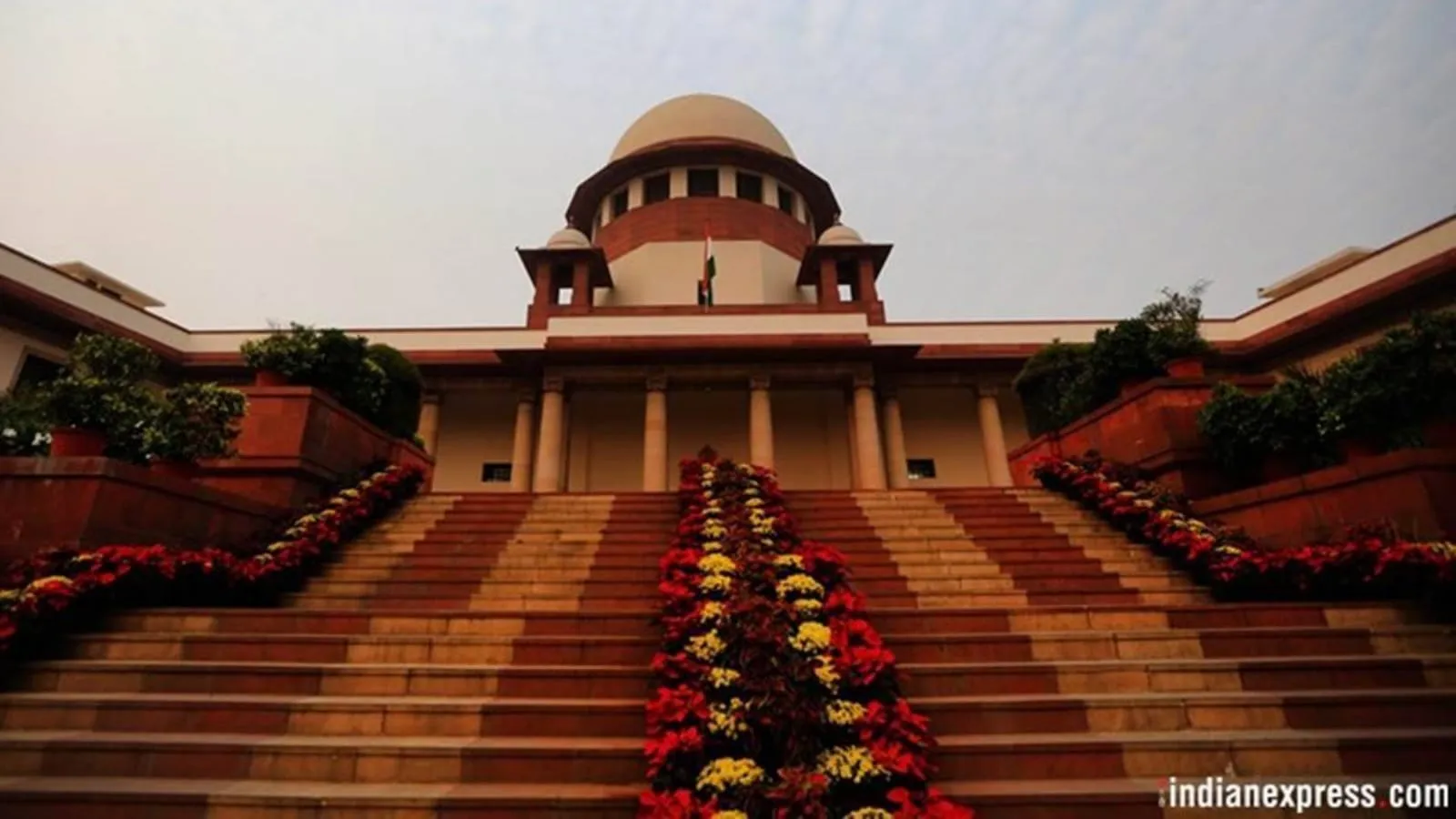
The Supreme Court of India has issued nationwide directives emphasizing the importance of considering mitigating factors at the trial court level in potential death penalty cases to ensure balanced sentencing and timely justice. It mandated comprehensive, verified reports on aggravating and mitigating circumstances be obtained early, with opportunities for parties to respond. The court also highlighted free legal aid as a fundamental right from the first magistrate appearance, addressing systemic delays affecting prisoners’ access to appeals, particularly in death penalty cases like those in Bihar.
Political Bias
17%80%3%
Sentiment
60%
AI Analysis
Political bias across 3 sources
● Left 17%● Center 80%● Right 3%
The article group presents a judicial perspective focused on procedural reforms in death penalty cases, reflecting the Supreme Court's stance without partisan framing. It includes viewpoints emphasizing legal rights and systemic improvements, with no evident political party bias. The coverage centers on legal principles and court orders, representing institutional and human rights concerns rather than political debate.
Sentiment — Neutral (60/100)
The overall tone across the articles is neutral to constructive, highlighting judicial efforts to improve fairness and timeliness in capital punishment cases. While acknowledging systemic challenges and delays, the coverage maintains a factual and measured approach, focusing on legal reforms and rights protection without emotive or sensational language.
How 3 sources covered this story
Each source's own headline, political lean, and sentiment — so you can see framing differences at a glance.
| Source | Their headline | Bias | Sentiment |
|---|---|---|---|
| theprint | SC stays death sentence in Bihar triple murder, points to trend of mitigating factors not being called for | Center | Neutral |
| indianexpress | 'Free legal aid fundamental right from moment one brought to magistrate': Supreme Court sets binding timelines | Center | Neutral |
| indianexpress | Courts must call reports on mitigating factors in potential death penalty cases: Apex court | Center | Neutral |
Coverage timeline
indianexpress broke this story on 28 Apr, 09:14 pm. Other outlets followed.
- 1indianexpress28 Apr, 09:14 pmCourts must call reports on mitigating factors in potential death penalty cases: Apex court
- 2indianexpress29 Apr, 08:38 am'Free legal aid fundamental right from moment one brought to magistrate': Supreme Court sets binding timelines
- 3theprint29 Apr, 08:57 amSC stays death sentence in Bihar triple murder, points to trend of mitigating factors not being called for
Lens Score breakdown
37/100
Public interest0/100
Coverage gap90%
Story is receiving appropriate media attention relative to public interest.
Accountability flags
TBN's analysis identified the following accountability dimensions in this story.
- systemic failure
This story points to a failure in institutional processes — regulation, safety, oversight, or service delivery breaking down at scale.
- rights violation
This story involves alleged violations of constitutional or human rights — freedom of expression, due process, custodial rights, minority rights.
Who's involved
Institutions and figures named across source coverage.
Government
Supreme Court Legal Services CommitteeSuperintendent of Prison, Buxar JailLegal Services AuthoritiesBihar GovernmentHigh Court Legal Services CommitteesNational Informatics Centre
Judiciary
Trial CourtSupreme CourtHigh CourtsPatna High CourtLegal Services Committee
Story context
- Category
- Politics
- Location
- Bihar, India
- Sources analysed
- 3
- Last analysed
- 29 Apr 2026
- Key entities
- Capital punishmentConstitutionBiharConvictMitigating factorTrial courtSupreme Court of IndiaNALSAR University of LawLibertyBuxarRehabilitation (penology)Patna High Court
Related Coverage
Select a news story to see related coverage from other media outlets.