57 minutes agoPolitics
21LENS
2 SourcesWest Bengal, India
 thebalanced.news
West Bengal's Economic Challenges and Political Shifts Affect Growth Prospects
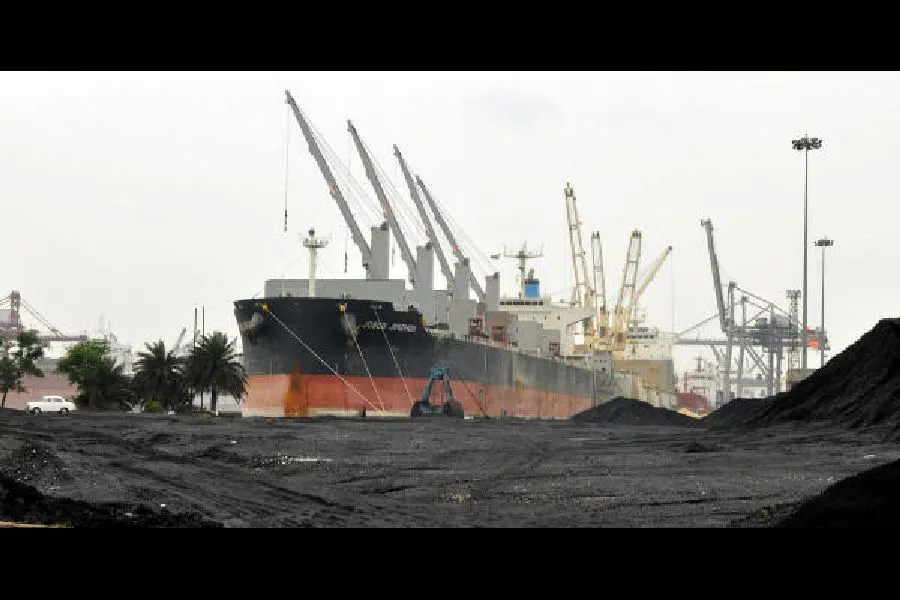
West Bengal possesses significant assets, including strategic location, fertile land, ports, and intellectual talent, yet its economic growth has declined, with reduced GDP share and per capita income below the national average. Challenges include high state debt and insufficient investment. Politically, the shift from grassroots-focused leadership to an urban intellectual elite has distanced governance from economic realities, impacting industrial development and socio-political dynamics. Revitalizing Bengal requires fiscal credibility, investor confidence, and reconnecting policy with ground-level needs to foster sustainable growth.
Political Bias
15%75%10%
Sentiment
42%
AI Analysis
Political bias across 2 sources
● Left 15%● Center 75%● Right 10%
The articles present perspectives highlighting West Bengal's economic decline alongside political and cultural transformations. One emphasizes structural economic factors and the need for enabling conditions, while the other critiques the political leadership's shift from grassroots engagement to intellectual elitism. Both viewpoints acknowledge challenges without partisan framing, reflecting a balanced discourse on governance and development issues.
Sentiment — Neutral (42/100)
The overall tone is analytical and critical, focusing on West Bengal's economic and political difficulties without sensationalism. Coverage combines concern over declining growth and socio-political shifts with constructive suggestions for improvement, resulting in a measured, mixed sentiment that underscores challenges alongside potential pathways for progress.
How 2 sources covered this story
Each source's own headline, political lean, and sentiment — so you can see framing differences at a glance.
| Source | Their headline | Bias | Sentiment |
|---|---|---|---|
| thetelegraph | The key enablers | Center | Neutral |
| thestatesman | Soil to Salon II | Center | Negative |
Coverage timeline
thestatesman broke this story on 25 May, 02:31 am. Other outlets followed.
- 1thestatesman25 May, 02:31 amSoil to Salon II
- 2thetelegraph25 May, 04:17 amThe key enablers
Lens Score breakdown
21/100
Public interest0/100
Coverage gap100%
Well-covered story — coverage matches public importance.
Story context
- Category
- Politics
- Location
- West Bengal, India
- Sources analysed
- 2
- Last analysed
- 25 May 2026
- Key entities
- BengalIndiaHuman migrationCroreWest BengalProductivityRupeeNortheastern United StatesLogisticsWelfareGross domestic productStates and union territories of India
Related Coverage
Select a news story to see related coverage from other media outlets.