2 hours agoPolitics
34LENS
2 SourcesTamil Nadu, India
 thebalanced.news
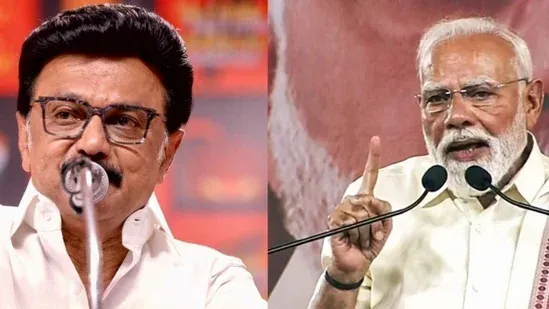
DMK Revisits Historical Language and Political Autonomy Debates Ahead of Tamil Nadu Elections
The Dravida Munnetra Kazhagam (DMK), rooted in the Dravidian movement, has historically opposed Hindi imposition and northern dominance in Indian politics. Tamil Nadu resisted the three-language formula and maintained a two-language policy after assurances from Prime Ministers Lal Bahadur Shastri and Rajiv Gandhi. Ahead of current elections and delimitation exercises, DMK leaders invoke this legacy, warning against central policies perceived as undermining Tamil identity and autonomy.
Political Bias
42%53%5%
Sentiment
42%
AI Analysis
Political bias across 2 sources
● Left 42%● Center 53%● Right 5%
The articles present perspectives primarily from the DMK and Tamil Nadu's regional viewpoint, emphasizing resistance to central government policies perceived as Hindi imposition or political overreach. They reference historical conflicts and assurances from past central leaders, reflecting a regional-national dynamic. The coverage includes both the DMK's ideological roots and central government actions without overt editorializing.
Sentiment — Neutral (42/100)
The tone across the articles is measured and informative, focusing on historical context and current political statements without strong emotional language. While the DMK's resistance is highlighted, the coverage remains neutral, presenting facts and quotes that convey concern and assertiveness without sensationalism.
How 2 sources covered this story
Each source's own headline, political lean, and sentiment — so you can see framing differences at a glance.
| Source | Their headline | Bias | Sentiment |
|---|---|---|---|
| indianexpress | How DMK's resistance to Centre's proposed delimitation evokes the language debates of 1950s and 60s | Center | Neutral |
| hindustantimes | Century-old 'Hindi imposition' debate back ahead of Tamil Nadu assembly elections Centre vs State row explained | Left | Neutral |
Coverage timeline
hindustantimes broke this story on 19 Apr, 06:22 am. Other outlets followed.
- 1hindustantimes19 Apr, 06:22 amCentury-old 'Hindi imposition' debate back ahead of Tamil Nadu assembly elections Centre vs State row explained
- 2indianexpress19 Apr, 09:11 amHow DMK's resistance to Centre's proposed delimitation evokes the language debates of 1950s and 60s
Lens Score breakdown
34/100
Public interest0/100
Coverage gap100%
Well-covered story — coverage matches public importance.
Who's involved
Institutions and figures named across source coverage.
Government
ParliamentUnion MinistryCentral GovernmentHome MinistryMinistry of Education
Political
Indian National CongressTamil Nadu Chief MinisterDravida Munnetra KazhagamDMKAIADMK
Story context
- Category
- Politics
- Location
- Tamil Nadu, India
- Sources analysed
- 2
- Last analysed
- 19 Apr 2026
- Key entities
- M. KarunanidhiDravida Munnetra KazhagamHindiEnglish languageTamil NaduLal Bahadur ShastriOfficial languageGovernment of IndiaIndian National CongressChief ministerState governments of IndiaAnti-Hindi agitations of Tamil Nadu
Related Coverage
Select a news story to see related coverage from other media outlets.