2 hours agoPolitics
35LENS
2 SourcesBeijing, China
 thebalanced.news
China Allows Marco Rubio's Visit After Altering Name Transliteration Amid Sanctions
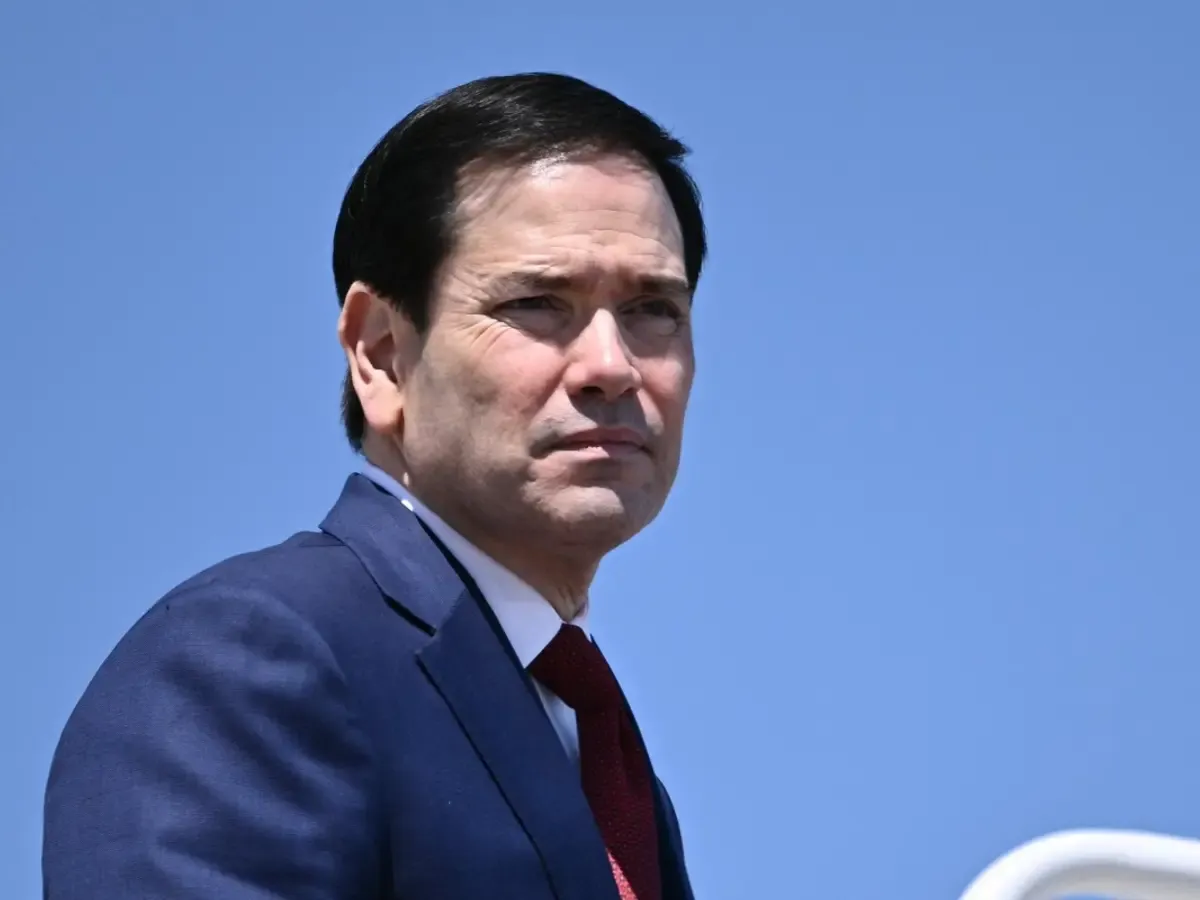
US Secretary of State Marco Rubio is visiting China with President Trump despite previously being sanctioned and banned from entry by Beijing for his criticism of China's human rights record. To facilitate his visit, Chinese authorities reportedly altered the Chinese character used to transliterate Rubio's surname, effectively bypassing the sanctions. Chinese officials stated the sanctions targeted Rubio's actions as a senator and indicated they would not obstruct his current visit. This diplomatic adjustment coincides with ongoing US-China talks during Trump's summit in Beijing.
Political Bias
30%60%10%
Sentiment
55%
AI Analysis
Political bias across 2 sources
● Left 30%● Center 60%● Right 10%
The articles present perspectives from both US and Chinese officials, highlighting Rubio's past criticism of China and Beijing's sanctions against him. Chinese sources emphasize the sanctions relate to Rubio's senatorial actions, while US sources focus on the diplomatic workaround enabling his visit. Coverage balances the diplomatic context without endorsing either side's stance, reflecting official statements and reported facts.
Sentiment — Neutral (55/100)
The tone across the articles is neutral and factual, focusing on the procedural aspects of Rubio's visit and the name transliteration change. There is no overtly positive or negative sentiment toward either party; instead, the coverage underscores diplomatic pragmatism and ongoing US-China engagement without emotive language.
How 2 sources covered this story
Each source's own headline, political lean, and sentiment — so you can see framing differences at a glance.
| Source | Their headline | Bias | Sentiment |
|---|---|---|---|
| ndtv | Behind Marco Rubio Getting Into China, A Change In How His Name Is Written | Center | Neutral |
| wion | How did Marco Rubio, who's under sanction by Beijing, get permission to travel to China for the first time? | Center | Neutral |
Coverage timeline
wion broke this story on 13 May, 04:43 am. Other outlets followed.
- 1wion13 May, 04:43 amHow did Marco Rubio, who's under sanction by Beijing, get permission to travel to China for the first time?
- 2ndtv13 May, 02:00 pmBehind Marco Rubio Getting Into China, A Change In How His Name Is Written
Lens Score breakdown
35/100
Public interest0/100
Coverage gap100%
Story is receiving appropriate media attention relative to public interest.
Who's involved
Institutions and figures named across source coverage.
Government
Chinese EmbassyUS State DepartmentUS Secretary of State
Political
US SenateRepublican PartyUS President
Story context
- Category
- Politics
- Location
- Beijing, China
- Sources analysed
- 2
- Last analysed
- 13 May 2026
- Key entities
- TransliterationUnited States Secretary of StateEconomic sanctionsMarco RubioDonald TrumpBeijingChinaChinese charactersUnited States SenateHuman rights in ChinaXi JinpingArtificial intelligence
Related Coverage
Select a news story to see related coverage from other media outlets.