1 hour agoPolitics
29LENS
4 SourcesIran
 thebalanced.news
Iran Proposes Reopening Strait of Hormuz Amid Regional Tensions and U.S. Blockade
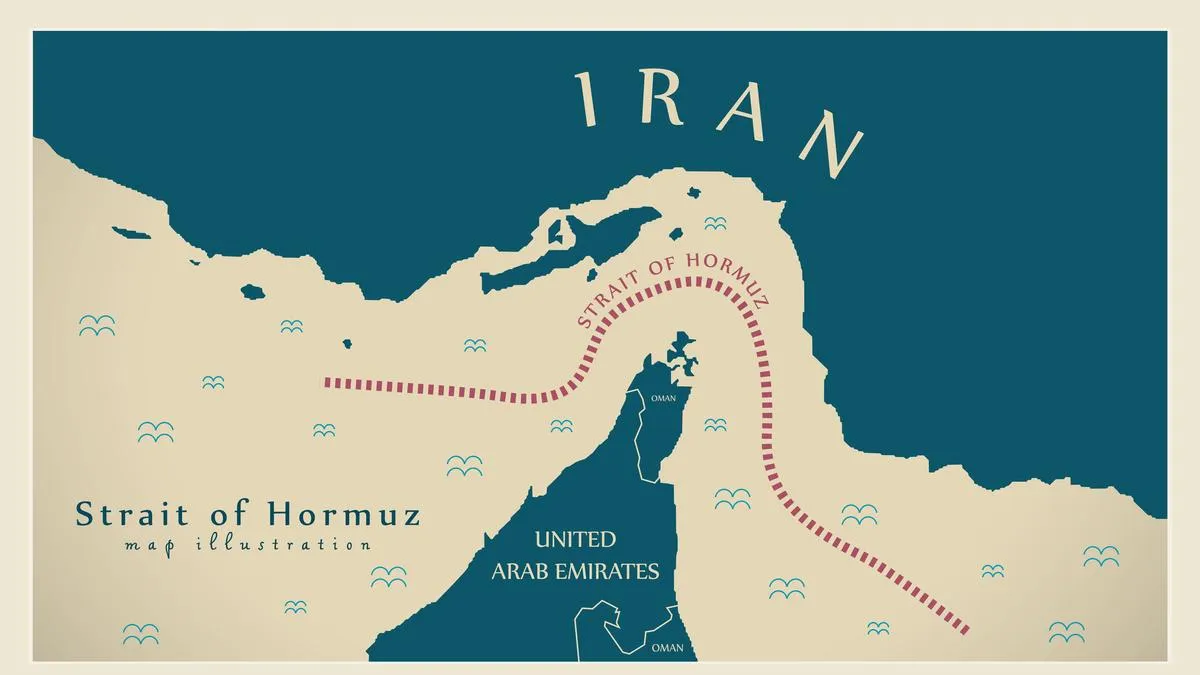
Iran has proposed reopening the Strait of Hormuz without resolving its nuclear program, seeking an end to the U.S. blockade as part of the offer. Iran and Oman have jointly asserted control over the Strait, advocating a regional solution to the ongoing naval blockade. Iran's two-stage plan aims first to ease economic pressure by reopening the route, then to negotiate on nuclear issues. Meanwhile, regional tensions persist amid protests in Iran and volatile global oil prices.
Political Bias
2%96%2%
Sentiment
48%
AI Analysis
Political bias across 4 sources
● Left 2%● Center 96%● Right 2%
The articles present multiple perspectives including Iran's diplomatic proposals, Oman's regional mediation role, and U.S. naval enforcement. Coverage includes Iranian government positions, regional officials' insights, and economic implications without favoring any side. The framing balances Iran's strategic aims with international responses and regional dynamics, reflecting a range of geopolitical viewpoints.
Sentiment — Neutral (48/100)
The overall tone is mixed, combining cautious optimism about potential de-escalation with concerns over ongoing tensions and economic instability. Reports highlight Iran's firm stance and regional cooperation alongside protests and volatile oil markets, resulting in a nuanced sentiment that neither fully endorses nor condemns any party involved.
How 4 sources covered this story
Each source's own headline, political lean, and sentiment — so you can see framing differences at a glance.
| Source | Their headline | Bias | Sentiment |
|---|---|---|---|
| english | Strategic Move: Iran's Two-Stage Plan on Strait of Hormuz | Center | Neutral |
| wion | Iran and Oman assert joint control over Strait of Hormuz to end 'dual blockade' | Center | Neutral |
| thehindu | Iran offers to end chokehold on Strait of Hormuz, asks U.S. to end blockade | Center | Neutral |
| thehindu | Iran proposes to reopen Strait of Hormuz without nuclear agreement | Center | Neutral |
Coverage timeline
thehindu broke this story on 27 Apr, 08:03 am. Other outlets followed.
- 1thehindu27 Apr, 08:03 amIran proposes to reopen Strait of Hormuz without nuclear agreement
- 2thehindu27 Apr, 09:22 amIran offers to end chokehold on Strait of Hormuz, asks U.S. to end blockade
- 3wion27 Apr, 04:52 pmIran and Oman assert joint control over Strait of Hormuz to end 'dual blockade'
- 4english28 Apr, 04:38 amStrategic Move: Iran's Two-Stage Plan on Strait of Hormuz
Lens Score breakdown
29/100
Public interest0/100
Coverage gap100%
Well-covered story — coverage matches public importance.
Story context
- Category
- Politics
- Location
- Iran
- Sources analysed
- 4
- Last analysed
- 28 Apr 2026
- Key entities
- Strait of HormuzIranNuclear program of IranIsraelBlockadeUnited StatesMinistry of Foreign Affairs (Israel)MoscowRussiaOmanMuscatAbbas Araghchi
Related Coverage
Select a news story to see related coverage from other media outlets.