2 hours agoPolitics
31LENS
2 Sources
 thebalanced.news
Secret Service Responds to Indoor Attack on Trump at Washington Hilton Event
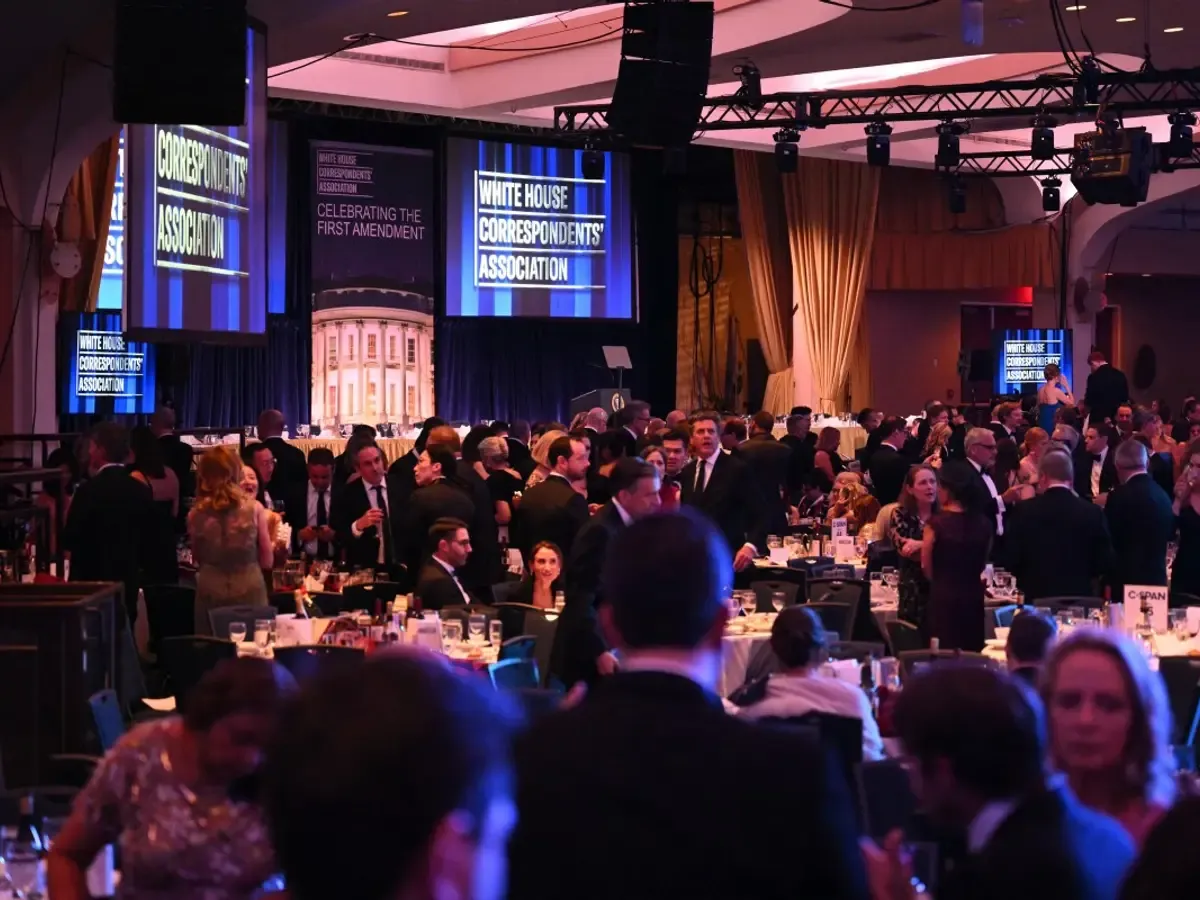
During an attack by Cole Tomas Allen at the Washington Hilton near the White House Correspondents' Dinner, Secret Service agents protecting President Donald Trump had only three seconds to respond. While rooftop snipers typically monitor outdoor threats with long-range rifles, Allen's indoor assault at a magnetometer checkpoint rendered their line of sight ineffective. The agents employed human shield protocols and ballistic briefcases to neutralize the threat within this critical timeframe, preventing harm to the President.
Political Bias
5%85%10%
Sentiment
52%
AI Analysis
Political bias across 2 sources
● Left 5%● Center 85%● Right 10%
The articles focus on the tactical response of the Secret Service during an attack on President Trump, emphasizing operational details without political commentary. The coverage centers on security protocols and threat neutralization, representing perspectives related to law enforcement and protective services rather than political viewpoints.
Sentiment — Neutral (52/100)
The tone across the articles is factual and focused on the effectiveness of the Secret Service response. While describing a violent incident, the coverage highlights the successful prevention of harm, resulting in a generally neutral to cautiously positive sentiment regarding security measures.
How 2 sources covered this story
Each source's own headline, political lean, and sentiment — so you can see framing differences at a glance.
| Source | Their headline | Bias | Sentiment |
|---|---|---|---|
| wion | 'Unseen overwatch': Why Secret Service snipers couldn't stop Cole Tomas Allen from entering Trump's dinner | Center | Neutral |
| wion | '3 seconds that saved Trump': How Secret Service defeated Tomas Allen's chilling arsenal | Center | Neutral |
Coverage timeline
wion broke this story on 26 Apr, 06:58 am. Other outlets followed.
- 1wion26 Apr, 06:58 am'3 seconds that saved Trump': How Secret Service defeated Tomas Allen's chilling arsenal
- 2wion26 Apr, 06:58 am'Unseen overwatch': Why Secret Service snipers couldn't stop Cole Tomas Allen from entering Trump's dinner
Lens Score breakdown
31/100
Public interest0/100
Coverage gap100%
Well-covered story — coverage matches public importance.
Who's involved
Institutions and figures named across source coverage.
Government
Secret Service
Enforcement
Secret Service Counter Sniper TeamSecret Service
Story context
- Category
- Politics
- Sources analysed
- 2
- Last analysed
- 26 Apr 2026
- Key entities
- United States Secret ServiceWashington HiltonMagnetometerDonald TrumpHuman shieldProtocol (diplomacy)White House Correspondents' AssociationSniperRifleSecurity checkpointReinforced concreteBallroom
Related Coverage
Select a news story to see related coverage from other media outlets.