1 hour agoPolitics
34LENS
2 SourcesIndia
 thebalanced.news
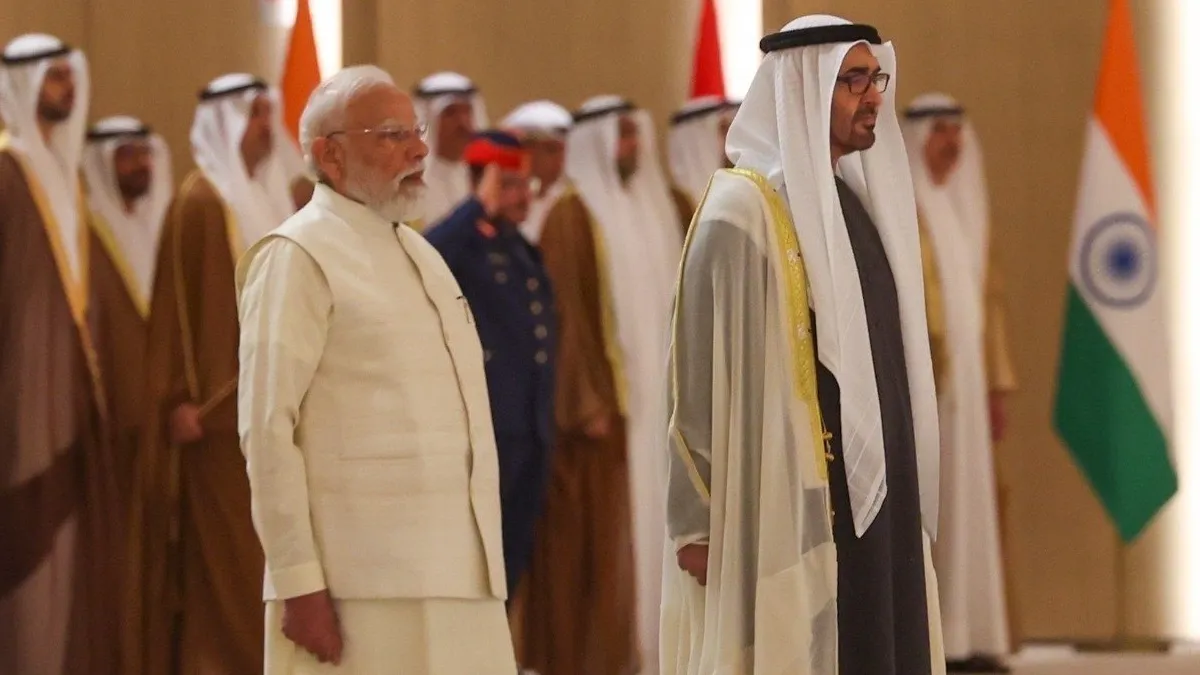
India and UAE Sign Agreements on LPG, Oil Reserves, and Defence Amid West Asia Tensions
During a brief visit to Abu Dhabi, Prime Minister Narendra Modi and UAE President Sheikh Mohamed bin Zayed Al Nahyan signed agreements on LPG supply, strategic petroleum reserves, and defence cooperation amid rising tensions in West Asia. These deals aim to secure India's energy needs and strengthen preparedness against potential disruptions caused by the Iran-US conflict. The agreements coincided with a petrol and diesel price increase in India, highlighting concerns over global fuel supply stability.
Political Bias
10%70%20%
Sentiment
65%
AI Analysis
Political bias across 2 sources
● Left 10%● Center 70%● Right 20%
The articles present a largely neutral perspective focusing on the strategic and economic aspects of the India-UAE agreements. They emphasize government actions and official statements without partisan framing. Both sources highlight the geopolitical context of the Iran-US conflict and its impact on energy security, reflecting a pragmatic approach rather than political critique or endorsement.
Sentiment — Neutral (65/100)
The tone across the articles is factual and measured, emphasizing the significance of the agreements in addressing energy supply concerns amid geopolitical tensions. There is no overtly positive or negative sentiment; instead, the coverage underscores the practical steps taken by India and the UAE to mitigate risks, with a slight undertone of urgency due to rising fuel prices.
How 2 sources covered this story
Each source's own headline, political lean, and sentiment — so you can see framing differences at a glance.
| Source | Their headline | Bias | Sentiment |
|---|---|---|---|
| oneindia | India Signs LPG, Oil Reserve And Defence Agreements With UAE During Escalating West Asia Conflict | Center | Neutral |
| hindustantimes | India, UAE sign pacts on LPG, strategic oil reserves to cushion US-Iran war impact | Center | Neutral |
Coverage timeline
hindustantimes broke this story on 15 May, 07:59 am. Other outlets followed.
- 1hindustantimes15 May, 07:59 amIndia, UAE sign pacts on LPG, strategic oil reserves to cushion US-Iran war impact
- 2oneindia15 May, 09:12 amIndia Signs LPG, Oil Reserve And Defence Agreements With UAE During Escalating West Asia Conflict
Lens Score breakdown
34/100
Public interest0/100
Coverage gap100%
Well-covered story — coverage matches public importance.
Who's involved
Institutions and figures named across source coverage.
Government
Ministry of Petroleum and Natural GasPrime Minister's Office
Political
Bharatiya Janata Party
Story context
- Category
- Politics
- Location
- India
- Sources analysed
- 2
- Last analysed
- 15 May 2026
- Key entities
- Liquefied petroleum gasNarendra ModiIndiaUnited Arab EmiratesDiesel fuelMemorandum of understandingGasolineUnited StatesIranIsraelWestern AsiaIndian rupee
Related Coverage
Select a news story to see related coverage from other media outlets.