1 hour agoPolitics
34LENS
2 SourcesAssam, India
 thebalanced.news
Indian Election Rules Specify Draw of Lots to Decide Winners in Vote Ties
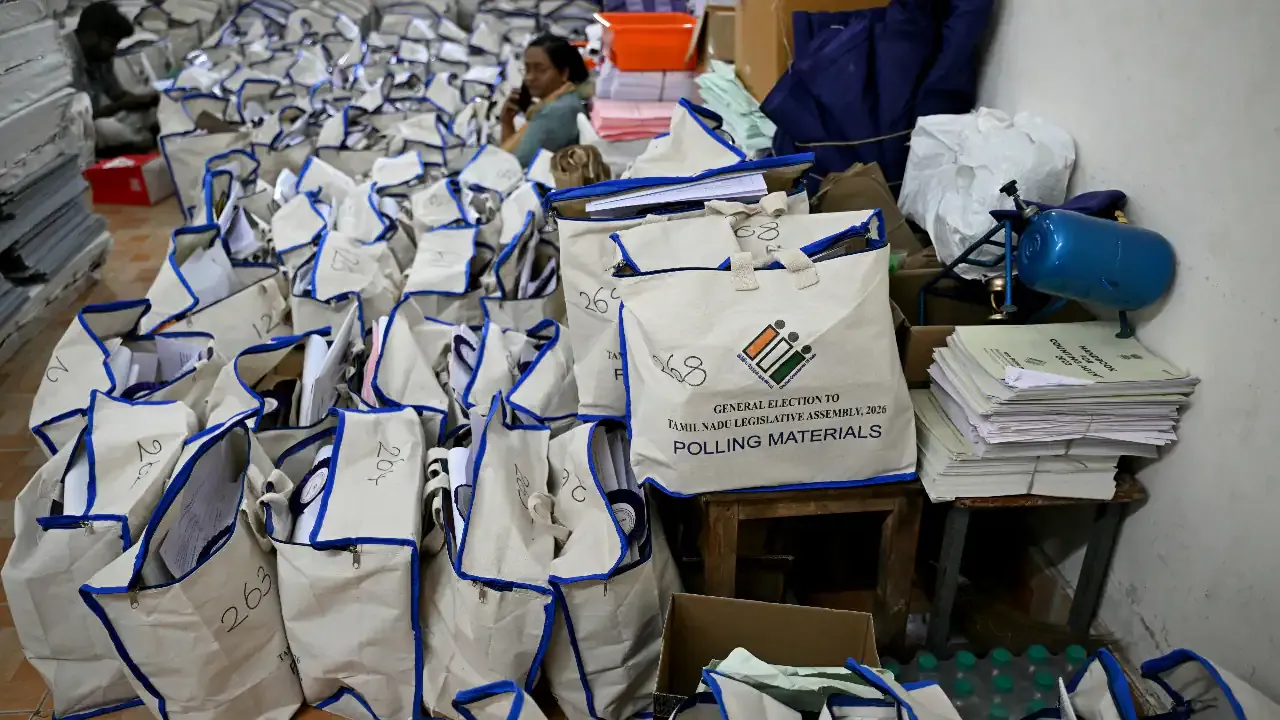
In rare cases where two candidates receive an equal number of votes in Indian assembly elections, the winner is decided by a draw of lots conducted by the Returning Officer in the presence of candidates or their representatives. Before this, candidates may request a recount if supported by valid reasons. This procedure, outlined by the Election Commission and the Representation of the People Act, 1951, ensures timely finalization of results without re-elections in tied constituencies.
Political Bias
5%93%2%
Sentiment
52%
AI Analysis
Political bias across 2 sources
● Left 5%● Center 93%● Right 2%
The articles present a neutral explanation of election procedures without favoring any political party or alliance. They include perspectives from election authorities and mention major political coalitions in Tamil Nadu only as context. The focus remains on legal provisions and administrative processes, avoiding partisan framing or political analysis.
Sentiment — Neutral (52/100)
The tone across the articles is factual and informative, emphasizing procedural clarity and transparency. There is no emotional or sensational language, and the coverage maintains a neutral sentiment by focusing on how rare tie situations are handled rather than on electoral competition or outcomes.
How 2 sources covered this story
Each source's own headline, political lean, and sentiment — so you can see framing differences at a glance.
| Source | Their headline | Bias | Sentiment |
|---|---|---|---|
| moneycontrol | Assembly elections 2026: What happens if two candidates get the same votes? Here's how winners are decided- Moneycontrol.com | Center | Neutral |
| news18 | What Happens If There Is A Tie In Tamil Nadu Elections? Here's What The Rules Say | Center | Neutral |
Coverage timeline
news18 broke this story on 3 May, 05:17 pm. Other outlets followed.
- 1news183 May, 05:17 pmWhat Happens If There Is A Tie In Tamil Nadu Elections? Here's What The Rules Say
- 2moneycontrol4 May, 01:53 amAssembly elections 2026: What happens if two candidates get the same votes? Here's how winners are decided- Moneycontrol.com
Lens Score breakdown
34/100
Public interest0/100
Coverage gap100%
Well-covered story — coverage matches public importance.
Who's involved
Institutions and figures named across source coverage.
Government
Election Commission of IndiaAssembly SpeakerGovernor
Political
DMK-led allianceAIADMK-led NDA
Story context
- Category
- Politics
- Location
- Assam, India
- Sources analysed
- 2
- Last analysed
- 4 May 2026
- Key entities
- Vote countingElectoral districtTamil NaduElection Commission of IndiaPuducherry (union territory)AssamKeralaWest BengalElections in IndiaElection agentNational Democratic AllianceLaw of India
Related Coverage
Select a news story to see related coverage from other media outlets.