1 hour agoPolitics
35LENS
15 SourcesGwadar, Pakistan
 thebalanced.news
Pakistan Opens Six Land Routes to Iran Amid US Naval Blockade of Strait of Hormuz
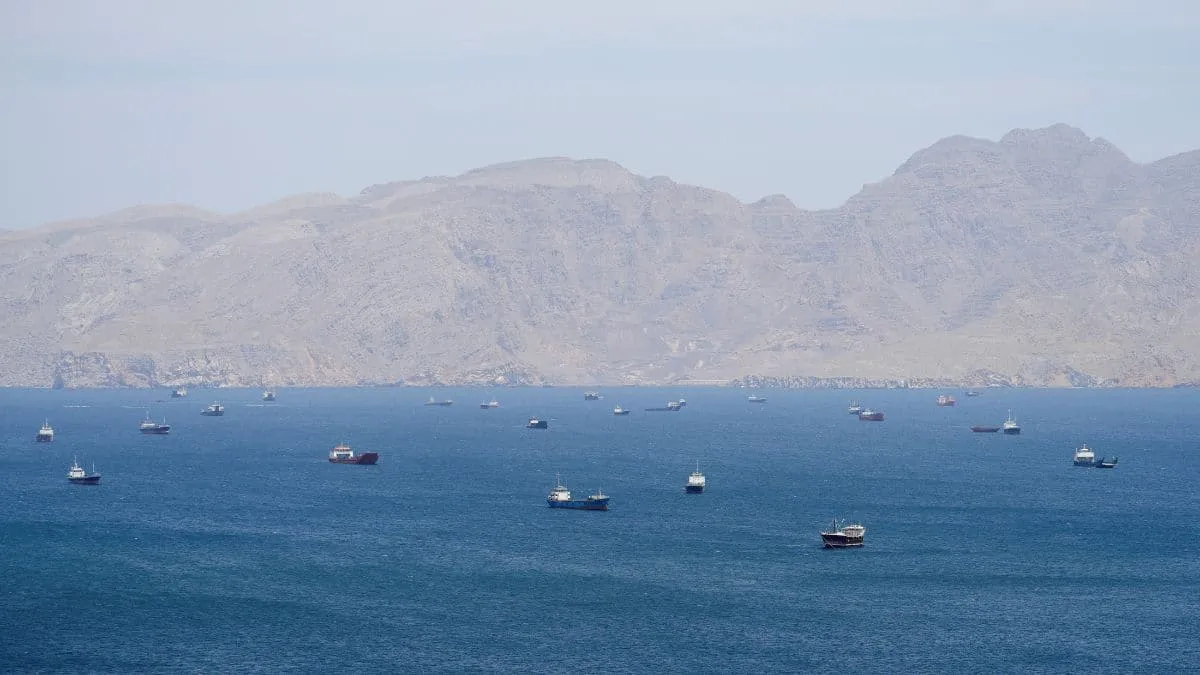
Pakistan has officially opened six overland transit routes to Iran, aiming to bypass the ongoing US naval blockade of Iranian ports and the closure of the Strait of Hormuz. These corridors connect Pakistani ports like Gwadar and Karachi to Iranian border points, facilitating the movement of goods stranded at Pakistani ports. While Pakistan presents this as a logistical solution amid disrupted maritime trade, US experts accuse Islamabad of undermining Washington's economic pressure strategy on Iran. Pakistan maintains the routes operate under customs regulations with financial guarantees, amid ongoing diplomatic efforts to mediate the US-Iran conflict.
Political Bias
15%71%14%
Sentiment
43%
AI Analysis
Political bias across 15 sources
● Left 15%● Center 71%● Right 14%
The article group presents multiple perspectives, including Pakistan's official position framing the land routes as a necessary trade facilitation measure amid maritime disruptions. US national security experts and some media sources characterize Pakistan's move as undermining US sanctions and accuse it of 'double-dealing.' The coverage includes diplomatic context, highlighting Pakistan's mediator role and regional strategic considerations, reflecting a mix of critical and neutral viewpoints without endorsing any side.
Sentiment — Neutral (43/100)
The overall tone across the articles is mixed, combining factual reporting of Pakistan's transit order with critical commentary from US experts on its implications for the US blockade strategy. While some sources emphasize logistical benefits and diplomatic efforts, others highlight potential diplomatic tensions and strategic contradictions. The sentiment balances between pragmatic trade facilitation and geopolitical criticism, avoiding overtly positive or negative language.
How 15 sources covered this story
Each source's own headline, political lean, and sentiment — so you can see framing differences at a glance.
Coverage timeline
firstpost broke this story on 30 Apr, 02:12 am. Other outlets followed.
- 1firstpost30 Apr, 02:12 am'Pakistan double-deals America again': Expert flags land routes allowing Iran to bypass US blockade
- 2firstpost30 Apr, 02:55 amPakistan opens 6 land routes for Iran trade as Hormuz blockade chokes shipping
- 3opindia30 Apr, 06:38 amPakistan shows its true colour yet again, backstabs its ally United States by opening 6 trade routes to Iran, fails Trump's counter- blockade in Strait of Hormuz
- 4ndtv30 Apr, 07:35 amPakistan Opens 6 Land Routes To Iran Amid Hormuz Blockade: Double-Crossing US?
- 5firstpost30 Apr, 08:42 amPakistan opens land routes to Iran: How this move exposes Islamabad's double-game with the US
- 6moneycontrol30 Apr, 09:21 amAsim Munir's double game exposed: Pakistan open 6 Iran routes, punches hole in US blockade; will it upset Trump?- Moneycontrol.com
- 7mint30 Apr, 10:17 amPakistan helping Iran to bypass US blockade? Expert says Islamabad is 'double-dealing' as it opens six routes Today News
- 8ndtv30 Apr, 10:21 amOpinion Pak Is Finally Back In Middle East's 'Good Books'. But Can It Stay There?
- 9indiatvnews30 Apr, 10:38 amPakistan double crosses America, announces 6 new land routes to Iran amid Hormuz blockade
- 10timesnow30 Apr, 11:54 amPakistan 'Double Deals' US, Gives Iran Hormuz Bypass
Lens Score breakdown
35/100
Public interest0/100
Coverage gap100%
Story is receiving appropriate media attention relative to public interest.
Who's involved
Institutions and figures named across source coverage.
Government
Ministry of CommerceFederal Board of RevenueIranian GovernmentGwadar Port AuthorityPakistan GovernmentUnited States Government
Story context
- Category
- Politics
- Location
- Gwadar, Pakistan
- Sources analysed
- 15
- Last analysed
- 30 Apr 2026
- Key entities
- Strait of HormuzPakistanIranIslamabadBlockadeDonald TrumpPort QasimGwadarKarachiPetroleumTehranTrade route
Related Coverage
Select a news story to see related coverage from other media outlets.