18 hours agoPolitics
32LENS
2 SourcesGeneva, Switzerland
 thebalanced.news
WHO Member States Extend Negotiations on Pandemic Treaty Pathogen Sharing Annex
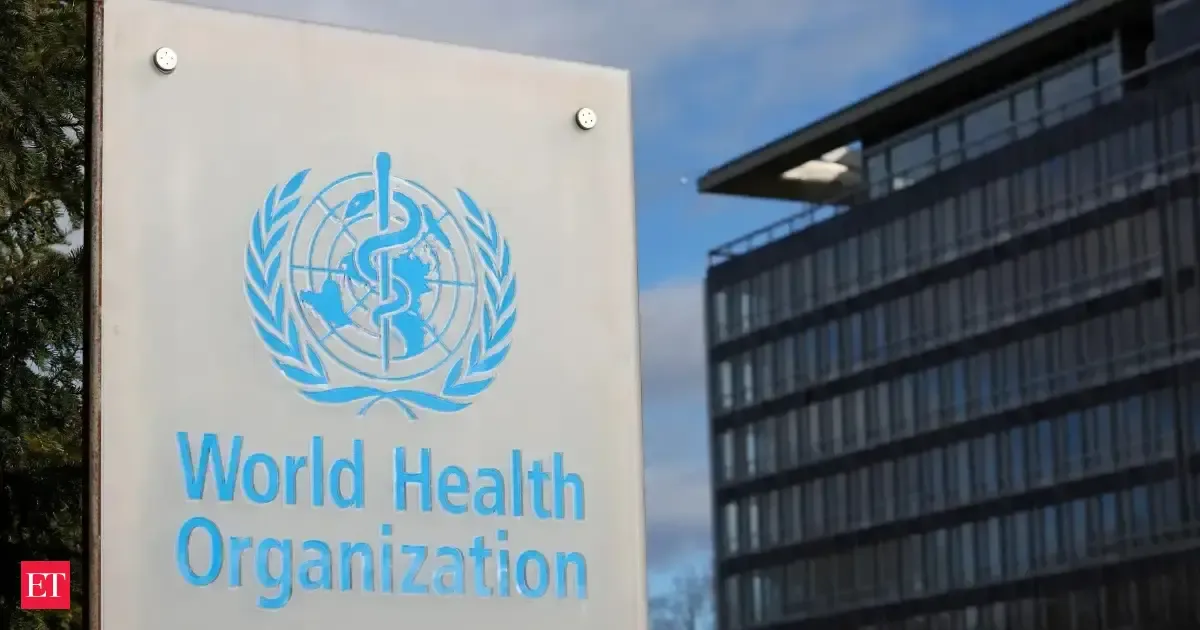
World Health Organization member states have agreed to extend negotiations on the pandemic treaty's Pathogen Access and Benefit-Sharing (PABS) system for up to a year. The PABS annex, crucial for sharing pathogen samples and benefits like vaccines, remains unresolved due to disagreements between developed and developing countries. Developing nations seek enforceable guarantees for equitable access to treatments, while developed countries emphasize rapid data sharing without binding contracts. Talks continue under the Open-Ended Intergovernmental Working Group to finalize the treaty.
Political Bias
35%63%2%
Sentiment
42%
AI Analysis
Political bias across 2 sources
● Left 35%● Center 63%● Right 2%
The articles present perspectives from both developed and developing countries, highlighting their differing priorities in the treaty negotiations. Developed nations focus on rapid pathogen data sharing with fewer contractual obligations, while developing countries emphasize enforceable benefit-sharing to ensure equitable access. The coverage reflects the diplomatic tensions without favoring either side, portraying the complexity of international health governance.
Sentiment — Neutral (42/100)
The overall tone is neutral to cautiously optimistic, acknowledging the deadlock in negotiations but also the commitment of member states to continue talks. While the impasse indicates challenges, the extension of discussions and WHO leadership's confidence suggest a constructive approach toward resolving disagreements.
How 2 sources covered this story
Each source's own headline, political lean, and sentiment — so you can see framing differences at a glance.
| Source | Their headline | Bias | Sentiment |
|---|---|---|---|
| hindustantimes | WHO's pandemic pact paralysed over pathogen sharing | Left | Neutral |
| economictimes | WHO states strike deal to extend talks on pandemic treaty | Center | Neutral |
Coverage timeline
economictimes broke this story on 19 May, 03:52 pm. Other outlets followed.
- 1economictimes19 May, 03:52 pmWHO states strike deal to extend talks on pandemic treaty
- 2hindustantimes20 May, 01:41 amWHO's pandemic pact paralysed over pathogen sharing
Lens Score breakdown
32/100
Public interest0/100
Coverage gap100%
Well-covered story — coverage matches public importance.
Who's involved
Institutions and figures named across source coverage.
Government
European UnionWorld Health Organization
Corporate
Pharmaceutical CompaniesGenomic Firms
Story context
- Category
- Politics
- Location
- Geneva, Switzerland
- Sources analysed
- 2
- Last analysed
- 20 May 2026
- Key entities
- PathogenWorld Health OrganizationMember state of the European UnionDeveloping countryGenevaWorld Health AssemblyVaccineThe WhoPharmaceutical industryEuropean UnionCOVID-19Treaty
Related Coverage
Select a news story to see related coverage from other media outlets.