1 hour agoPolitics
36LENS
2 SourcesBihar, India
 thebalanced.news
Bihar's Decade of Alcohol Prohibition Sees Revenue Drop and Underground Trade Growth
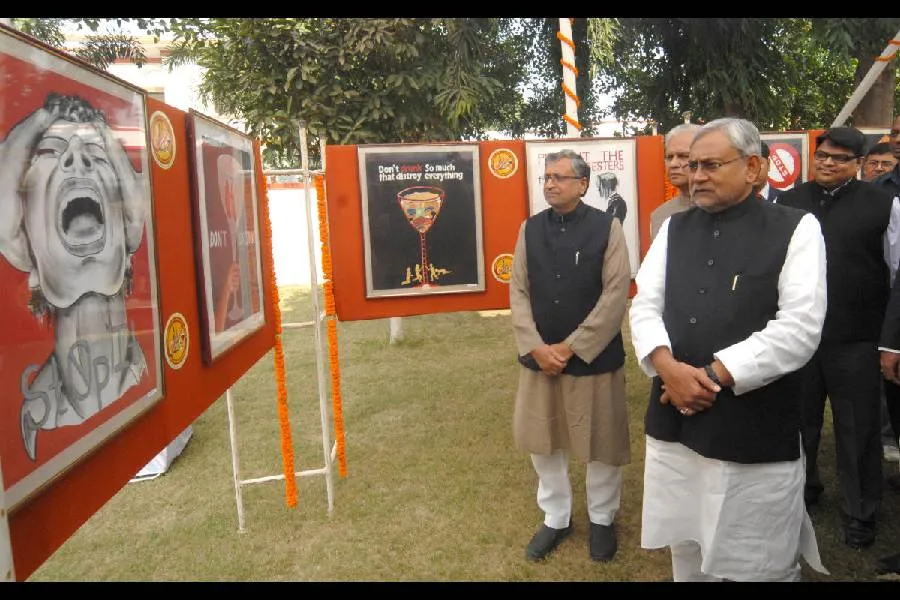
Bihar implemented a complete alcohol prohibition in 2016, aiming to reduce abuse and improve public health, following political commitments and women's group demands. While the ban drastically cut excise revenue from over Rs 3,000 crore to nearly zero, enforcement has faced challenges. An underground liquor trade has emerged, using coded language and discreet delivery networks across urban and rural areas, indicating continued demand despite legal restrictions and softened penalties over time.
Political Bias
30%60%10%
Sentiment
35%
AI Analysis
Political bias across 2 sources
● Left 30%● Center 60%● Right 10%
The articles present perspectives highlighting both the government's intent behind prohibition and the unintended consequences, such as revenue loss and illicit trade. The first article focuses on policy origins and fiscal impact, reflecting a governance viewpoint, while the second emphasizes societal adaptations and enforcement challenges, incorporating grassroots and economic angles. Together, they offer a balanced view without favoring political positions.
Sentiment — Neutral (35/100)
Coverage combines neutral and critical tones, acknowledging the policy's social goals and fiscal costs alongside the persistence of illegal liquor networks. The tone is largely factual, with some implicit concern about enforcement efficacy and economic implications, resulting in a mixed sentiment that neither fully endorses nor condemns the prohibition.
How 2 sources covered this story
Each source's own headline, political lean, and sentiment — so you can see framing differences at a glance.
| Source | Their headline | Bias | Sentiment |
|---|---|---|---|
| thetelegraph | The bottle prevails | Center | Neutral |
| economictimes | From 'pure milk' to Scotch: Bihar's secret language of liquor | Center | Neutral |
Coverage timeline
economictimes broke this story on 30 Apr, 12:30 pm. Other outlets followed.
- 1economictimes30 Apr, 12:30 pmFrom 'pure milk' to Scotch: Bihar's secret language of liquor
- 2thetelegraph1 May, 03:26 amThe bottle prevails
Lens Score breakdown
36/100
Public interest0/100
Coverage gap100%
Story is receiving appropriate media attention relative to public interest.
Accountability flags
TBN's analysis identified the following accountability dimensions in this story.
- systemic failure
This story points to a failure in institutional processes — regulation, safety, oversight, or service delivery breaking down at scale.
- public safety issue
This story involves a risk to public safety — infrastructure failure, regulatory lapse, hazardous conditions, or emergency mishandling.
Who's involved
Institutions and figures named across source coverage.
Government
Bihar Prohibition and Excise ActBihar GovernmentState Enforcement Authorities
Political
Bihar Ruling PartyChief Minister Samrat ChoudharyNitish Kumar
Enforcement
Narcotics Control BureauPolice
Story context
- Category
- Politics
- Location
- Bihar, India
- Sources analysed
- 2
- Last analysed
- 1 May 2026
- Key entities
- Nitish KumarProhibitionCroreIndian rupeeBiharLiquorAlcohol (drug)Chief ministerAlcohol abuseAlcoholic drinkExcisePublic health
Related Coverage
Select a news story to see related coverage from other media outlets.