1 hour agoPolitics
33LENS
2 SourcesAssam, India
 thebalanced.news
Women’s Electoral Impact Grows Amid Defeat of Reservation Bill in Lok Sabha
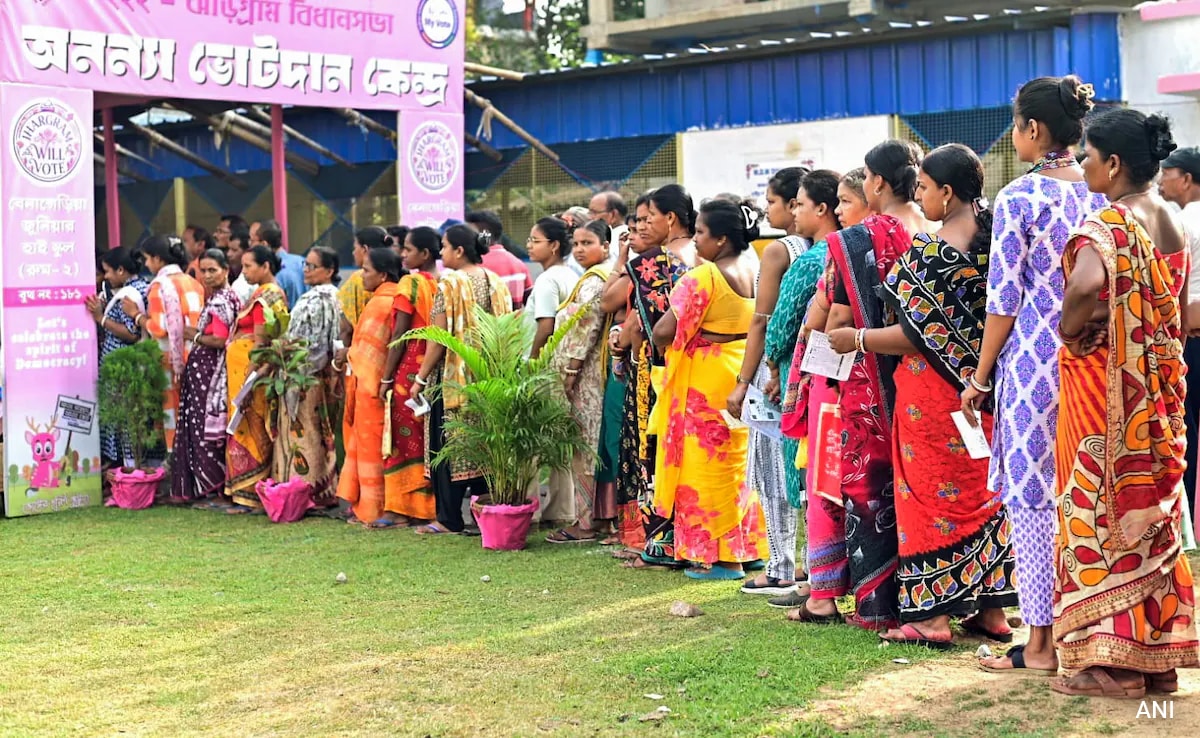
Recent political developments in India highlight women's growing influence and challenges in electoral politics. Assembly elections in five states saw women voters outnumber men and shape outcomes, prompting parties to adjust strategies. Meanwhile, the Modi-led government faced a setback as the Constitution (131st Amendment) Bill 2026, proposing 33% reservation for women in Parliament and linked to a delimitation exercise, was defeated in Lok Sabha due to opposition concerns over federalism and trust deficits. The bill's failure has intensified political tensions ahead of upcoming elections.
Political Bias
47%45%8%
Sentiment
55%
AI Analysis
Political bias across 2 sources
● Left 47%● Center 45%● Right 8%
The articles represent diverse political perspectives: one emphasizes women's rising electoral participation and its influence on party strategies, reflecting a socio-political analysis; the other focuses on the government's legislative defeat and opposition resistance, highlighting political conflict and trust issues. Both government and opposition viewpoints are presented, with attention to electoral and constitutional dynamics.
Sentiment — Neutral (55/100)
The overall tone is mixed, combining positive recognition of increased women’s voter participation with critical coverage of the government's failed constitutional amendment. The election analysis conveys progress and empowerment, while the bill’s defeat is framed as a political setback, reflecting tensions and distrust between ruling and opposition parties.
How 2 sources covered this story
Each source's own headline, political lean, and sentiment — so you can see framing differences at a glance.
| Source | Their headline | Bias | Sentiment |
|---|---|---|---|
| ndtv | Opinion How Women Are Reshaping Assembly Elections Across India | Center | Positive |
| arunachaltimesin | Women bill falls | Left | Neutral |
Coverage timeline
arunachaltimesin broke this story on 5 May, 08:02 pm. Other outlets followed.
- 1arunachaltimesin5 May, 08:02 pmWomen bill falls
- 2ndtv6 May, 06:56 amOpinion How Women Are Reshaping Assembly Elections Across India
Lens Score breakdown
33/100
Public interest0/100
Coverage gap100%
Well-covered story — coverage matches public importance.
Who's involved
Institutions and figures named across source coverage.
Government
Prime Minister ModiModi-led NDA GovernmentHome Minister Shah
Political
DMKUDFOpposition PartiesTrinamool CongressTVKTMCIndia BlocAIADMKLDFBJP
Story context
- Category
- Politics
- Location
- Assam, India
- Sources analysed
- 2
- Last analysed
- 6 May 2026
- Key entities
- IndiaElectoral districtBharatiya Janata PartyTrinamool CongressPuducherry (union territory)WelfareVoter turnoutAssamKeralaTamil NaduWest BengalRuling party
Related Coverage
Select a news story to see related coverage from other media outlets.