28 minutes agoPolitics
28LENS
3 SourcesIslamabad, Pakistan
 thebalanced.news
Pakistan Advances Iran Peace Mediation Amid Economic Strains from Regional Instability
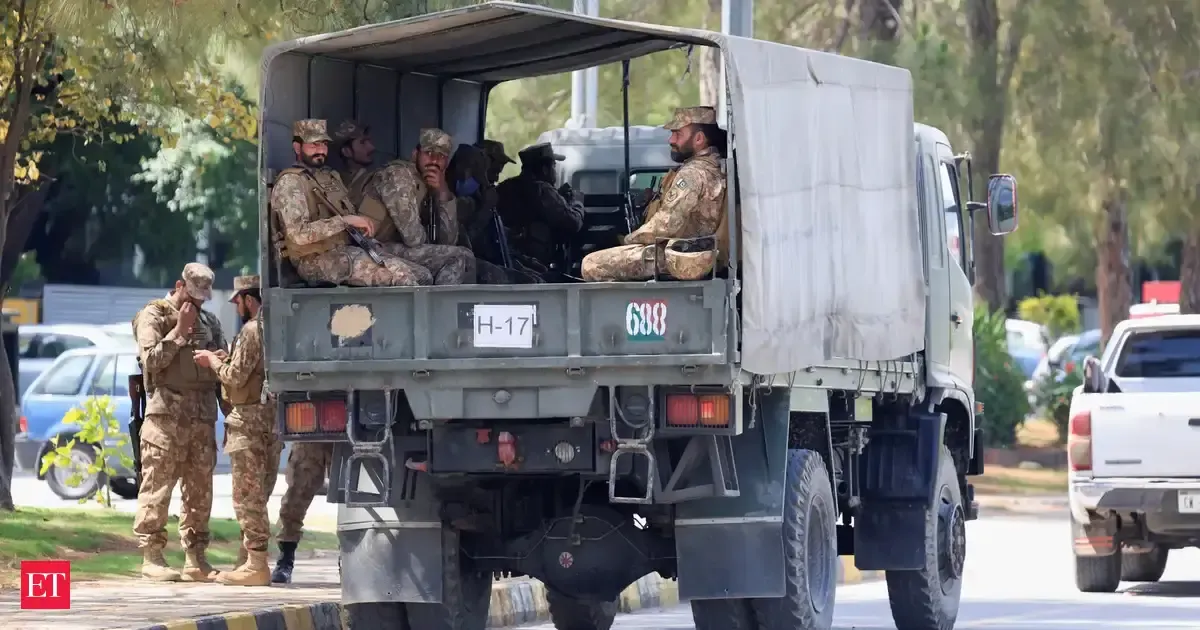
Pakistan is intensifying its diplomatic efforts to mediate between the US and Iran amid severe economic challenges. The country faces rising fuel prices, rolling blackouts, and increased import costs linked to regional instability, which are straining businesses and households. Economic analysts highlight electricity shortages as a critical issue, with inflation and poverty rates exacerbating the fragile recovery. Officials worry prolonged Middle East tensions could further impact Pakistan's economy.
Political Bias
33%62%5%
Sentiment
27%
AI Analysis
Political bias across 3 sources
● Left 33%● Center 62%● Right 5%
The articles present a primarily economic and diplomatic perspective without partisan framing. They highlight Pakistan's role as a mediator between the US and Iran while emphasizing the country's economic vulnerabilities due to external shocks. Both government and civilian viewpoints are included, focusing on economic impacts rather than political controversies, maintaining a neutral stance.
Sentiment — Negative (27/100)
The overall tone is cautious and concerned, reflecting economic difficulties and uncertainty. While the diplomatic efforts are noted, the emphasis is on the negative economic effects such as rising costs and power shortages. The sentiment is balanced, acknowledging Pakistan's proactive role but underscoring the challenges faced by its population and economy.
How 3 sources covered this story
Each source's own headline, political lean, and sentiment — so you can see framing differences at a glance.
| Source | Their headline | Bias | Sentiment |
|---|---|---|---|
| moneycontrol | Playing mediator abroad, failing at home: Pakistanis hit hard by fuel hikes, power cuts as Iran war ripples spread- Moneycontrol.com | Left | Negative |
| news18 | 'Can't Cover Our Expenses': The Real Crisis Driving Pakistan's Iran Peace Push | Center | Negative |
| economictimes | Pakistan, 'strangled' by economic strain, steps up Iran peace push | Center | Negative |
Coverage timeline
economictimes broke this story on 21 Apr, 09:33 am. Other outlets followed.
- 1economictimes21 Apr, 09:33 amPakistan, 'strangled' by economic strain, steps up Iran peace push
- 2news1821 Apr, 12:32 pm'Can't Cover Our Expenses': The Real Crisis Driving Pakistan's Iran Peace Push
- 3moneycontrol21 Apr, 02:44 pmPlaying mediator abroad, failing at home: Pakistanis hit hard by fuel hikes, power cuts as Iran war ripples spread- Moneycontrol.com
Lens Score breakdown
28/100
Public interest0/100
Coverage gap100%
Well-covered story — coverage matches public importance.
Story context
- Category
- Politics
- Location
- Islamabad, Pakistan
- Sources analysed
- 3
- Last analysed
- 21 Apr 2026
- Key entities
- IslamabadPakistanIranRolling blackoutGasolineElectricityInternational Monetary FundSheikhUnited StatesSugarInflationVegetable
Related Coverage
Select a news story to see related coverage from other media outlets.