2 days agoPolitics
22LENS
2 SourcesIran
 thebalanced.news
Understanding the Distinction Between Nation-States and Civilisational-States
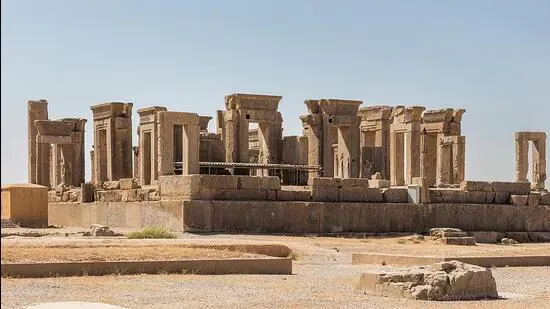
The articles discuss the distinction between nation-States and civilisational-States, emphasizing that while nation-States are modern political constructs defined by borders and governance, civilisational-States embody enduring cultural, historical, and spiritual traditions spanning millennia. Using India as an example, the pieces highlight how civilisational identity persists beyond political frameworks, often misunderstood by external observers. This perspective is considered relevant amid contemporary geopolitical conflicts like the Iran war, where deeper cultural continuities influence state resilience.
Political Bias
10%82%8%
Sentiment
68%
AI Analysis
Political bias across 2 sources
● Left 10%● Center 82%● Right 8%
The articles primarily present an analytical perspective on state identity without explicit political alignment. They emphasize cultural and historical continuity over modern political constructs, reflecting a viewpoint that values civilisational heritage. The framing critiques colonial-era interpretations but does not engage in partisan debate, focusing instead on conceptual distinctions relevant to geopolitical analysis.
Sentiment — Positive (68/100)
The tone across the articles is reflective and explanatory, aiming to deepen understanding rather than evoke strong emotions. The sentiment is neutral to mildly positive, appreciating the resilience of civilisational-States while critically examining conventional geopolitical views. There is no evident negativity or sensationalism, maintaining an academic and measured approach.
How 2 sources covered this story
Each source's own headline, political lean, and sentiment — so you can see framing differences at a glance.
| Source | Their headline | Bias | Sentiment |
|---|---|---|---|
| hindustantimes | Just Like That: Why it is hard to trump a civilisational State | Center | Positive |
| hindustantimes | Why it is hard to trump a civilisational State | Center | Neutral |
Coverage timeline
hindustantimes broke this story on 18 Apr, 02:58 pm. Other outlets followed.
- 1hindustantimes18 Apr, 02:58 pmWhy it is hard to trump a civilisational State
- 2hindustantimes19 Apr, 07:56 amJust Like That: Why it is hard to trump a civilisational State
Lens Score breakdown
22/100
Public interest0/100
Coverage gap100%
Well-covered story — coverage matches public importance.
Story context
- Category
- Politics
- Location
- Iran
- Sources analysed
- 2
- Last analysed
- 19 Apr 2026
- Key entities
- IranIndiaPeace of WestphaliaBritish EmpireCommon EraGeopoliticsTreatySovereigntyJoshimathTirtha (Hinduism)SringeriChandragupta Maurya
Related Coverage
Select a news story to see related coverage from other media outlets.