2 hours agoPolitics
27LENS
2 SourcesIndia
 thebalanced.news
India's Water Governance Challenges Amid Agricultural Demands and Ethanol Production
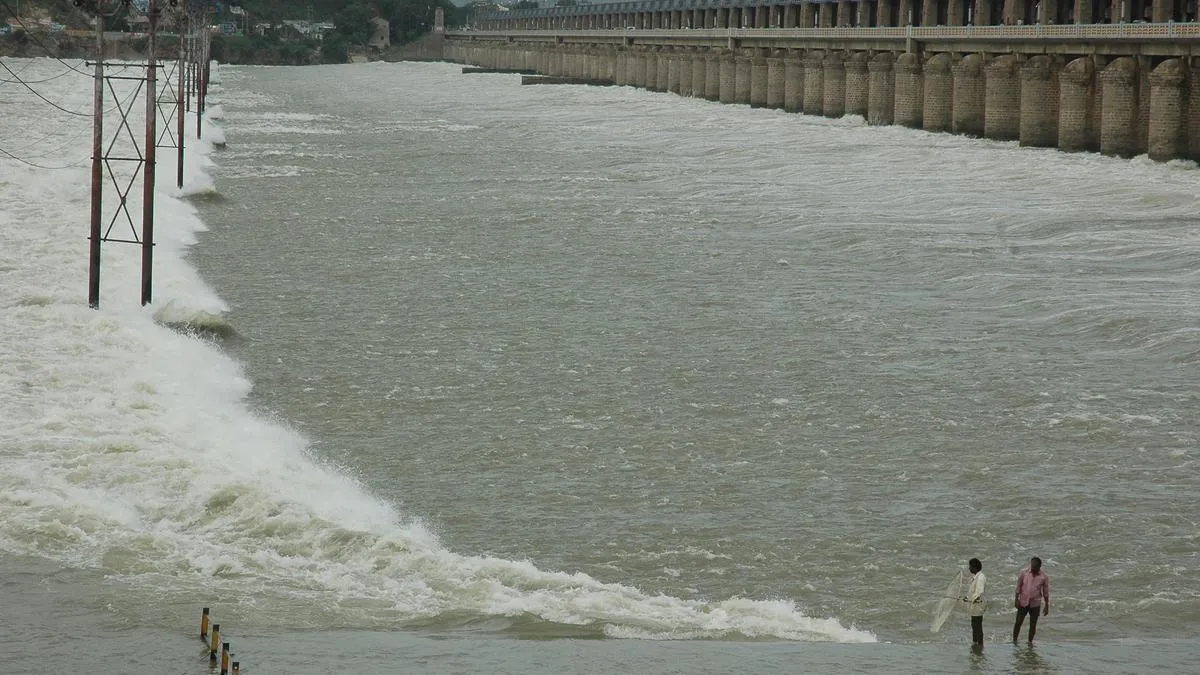
India faces a complex water governance challenge despite receiving substantial annual rainfall. While the country supports nearly one-fifth of the global population, only a fraction of its water is efficiently stored or used, leading to high water stress for around 600 million people. India relies heavily on groundwater, especially for agriculture, which consumes 90% of freshwater. The government is promoting ethanol production from surplus rice to reduce oil imports, but this raises concerns due to rice's high water consumption, particularly in states like Punjab and Haryana.
Political Bias
20%72%8%
Sentiment
55%
AI Analysis
Political bias across 2 sources
● Left 20%● Center 72%● Right 8%
The articles present a range of perspectives focusing on India's water resource management and agricultural policies without partisan framing. They highlight government initiatives like ethanol blending and acknowledge institutional challenges in water governance. The coverage includes economic and environmental viewpoints, reflecting concerns from policymakers and analysts without favoring any political ideology.
Sentiment — Neutral (55/100)
The overall tone is mixed, combining recognition of India's efforts to manage water resources and reduce oil dependence with caution about the sustainability of current agricultural practices. The articles balance optimism about policy measures with concern over water stress and environmental impacts, resulting in a nuanced portrayal rather than purely positive or negative sentiment.
How 2 sources covered this story
Each source's own headline, political lean, and sentiment — so you can see framing differences at a glance.
| Source | Their headline | Bias | Sentiment |
|---|---|---|---|
| thehindu | How India is governing its water resources | Center | Neutral |
| indiatoday | The silent India-China water war: One turns it into smoke, the other into chips | Center | Neutral |
Coverage timeline
indiatoday broke this story on 12 May, 10:26 am. Other outlets followed.
- 1indiatoday12 May, 10:26 amThe silent India-China water war: One turns it into smoke, the other into chips
- 2thehindu12 May, 09:01 pmHow India is governing its water resources
Lens Score breakdown
27/100
Public interest0/100
Coverage gap100%
Well-covered story — coverage matches public importance.
Who's involved
Institutions and figures named across source coverage.
Government
Central Ground Water BoardUrban water boardsState irrigation departmentsCentral Water CommissionNITI AayogIndian GovernmentLocal governmentsMinistry of Jal Shakti
Story context
- Category
- Politics
- Location
- India
- Sources analysed
- 2
- Last analysed
- 12 May 2026
- Key entities
- GroundwaterIndiaEnvironmental governanceWater scarcityWater resourcesNITI AayogHydrologySustainable Development Goal 6Well-beingWorld populationGovernment of IndiaEconomic development
Related Coverage
Select a news story to see related coverage from other media outlets.