2 hours agoPolitics
35LENS
2 SourcesIran
 thebalanced.news
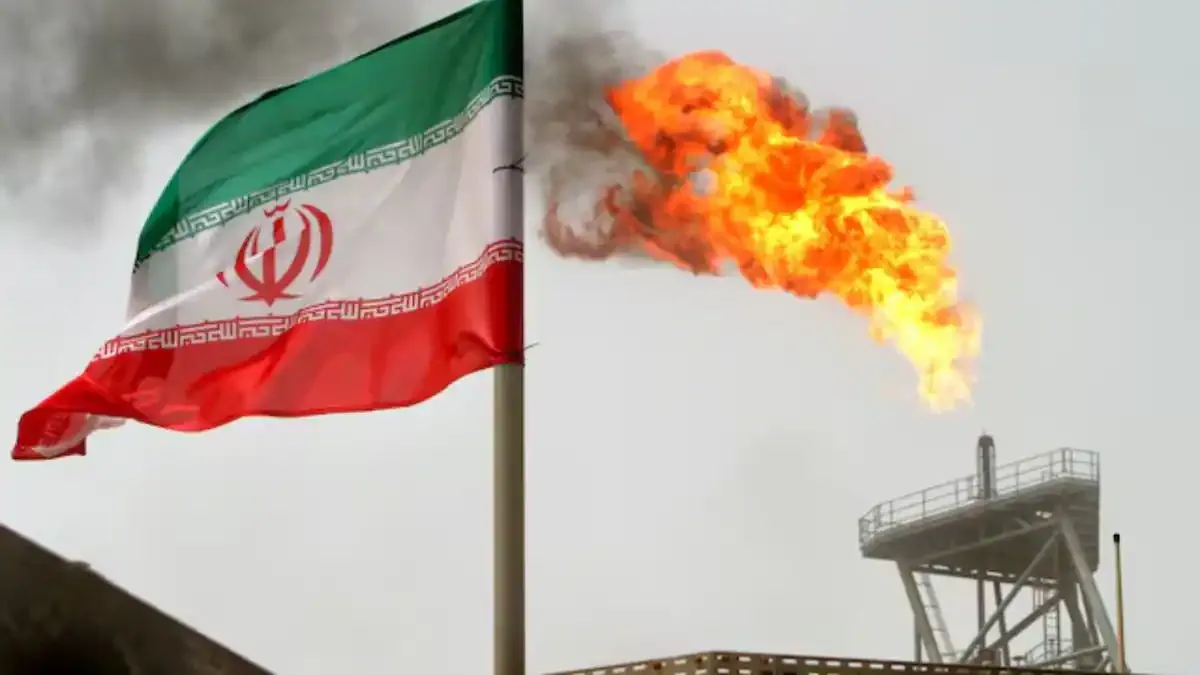
US Imposes Sanctions on Iran's Financial Network and Warns Banks on Chinese Oil Refiners
The US has imposed new sanctions targeting Iran's shadow banking network, which facilitates illicit oil sales and funds missile and proxy activities, including groups like Hezbollah and Hamas. Additionally, the Treasury Department warned banks of secondary sanctions if they support Chinese private refiners purchasing Iranian oil, such as Hengli Petrochemical. These measures aim to intensify economic pressure on Iran amid ongoing negotiations, despite potential tensions with China, which does not recognize US unilateral sanctions but whose state banks often comply to maintain access to the US financial system.
Political Bias
5%90%5%
Sentiment
35%
AI Analysis
Political bias across 2 sources
● Left 5%● Center 90%● Right 5%
The articles present the US government's perspective on sanctions as a strategic effort to curb Iran's illicit activities and regional influence, emphasizing security concerns. They also acknowledge China's stance against unilateral sanctions and its cautious compliance by state banks. The coverage reflects official US policy framing without overt criticism or endorsement, representing both US and Chinese positions on the issue.
Sentiment — Neutral (35/100)
The tone across the articles is primarily neutral to cautious, focusing on factual reporting of sanctions and warnings. While the US actions are described as efforts to increase pressure on Iran, potential diplomatic friction with China is noted without emotive language. The coverage avoids sensationalism, maintaining a professional and informative tone.
How 2 sources covered this story
Each source's own headline, political lean, and sentiment — so you can see framing differences at a glance.
| Source | Their headline | Bias | Sentiment |
|---|---|---|---|
| firstpost | US slaps fresh sanctions on Iran to ramp up economic pressure amid talks | Center | Negative |
| moneycontrol | US threatens to sanction banks that help China buy Iran oil- Moneycontrol.com | Center | Neutral |
Coverage timeline
moneycontrol broke this story on 29 Apr, 01:47 am. Other outlets followed.
- 1moneycontrol29 Apr, 01:47 amUS threatens to sanction banks that help China buy Iran oil- Moneycontrol.com
- 2firstpost29 Apr, 07:01 amUS slaps fresh sanctions on Iran to ramp up economic pressure amid talks
Lens Score breakdown
35/100
Public interest0/100
Coverage gap100%
Story is receiving appropriate media attention relative to public interest.
Who's involved
Institutions and figures named across source coverage.
Government
Chinese Foreign MinistryOffice of Foreign Assets ControlUS Treasury DepartmentUS Department of the Treasury
Corporate
Industrial Commercial Bank of China Ltd.Hengli Petrochemical (Dalian) Refinery Co.Bank of China Ltd.
Story context
- Category
- Politics
- Location
- Iran
- Sources analysed
- 2
- Last analysed
- 29 Apr 2026
- Key entities
- PetroleumIranUnited States Department of the TreasuryOil refineryChinaFinancial institutionDonald TrumpShadow banking systemUnited StatesSanctions against IranHM TreasuryEconomic sanctions
Related Coverage
Select a news story to see related coverage from other media outlets.