1 hour agoPolitics
31LENS
20 SourcesSouth Carolina, United States
 thebalanced.news
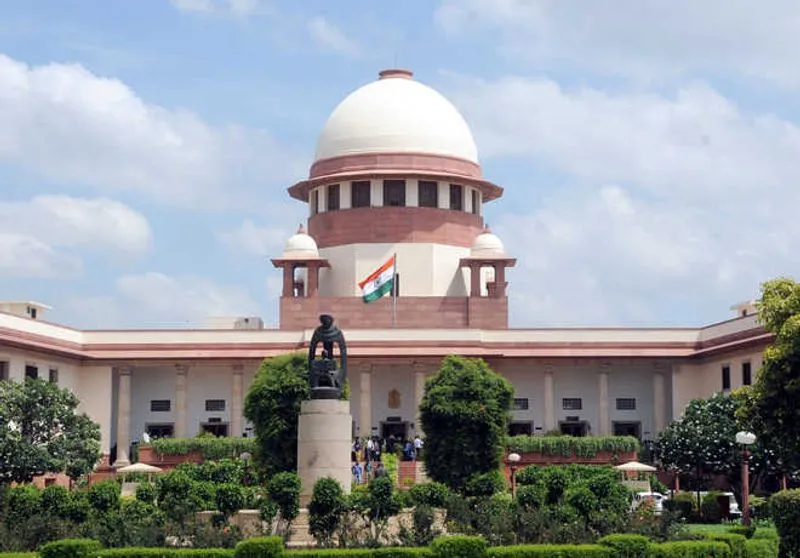
Supreme Court Declines New Directions on Hate Speech, Cites Adequacy of Existing Laws
The Supreme Court of India ruled that existing laws adequately address hate speech and declined to issue new judicial directions, emphasizing that creating criminal offences and prescribing punishments is the legislature's responsibility. The bench of Justices Vikram Nath and Sandeep Mehta noted no legislative vacuum exists but acknowledged enforcement gaps. While the court cannot compel legislation, it left open the possibility for Parliament and state legislatures to consider amendments, including those suggested by the Law Commission's 2017 report, to address evolving societal challenges.
Political Bias
23%71%6%
Sentiment
51%
AI Analysis
Political bias across 20 sources
● Left 23%● Center 71%● Right 6%
The article group presents a predominantly neutral legal perspective focused on the Supreme Court's stance regarding hate speech laws. It reflects the judiciary's emphasis on separation of powers and legislative primacy without partisan framing. Some sources highlight enforcement issues, while others note legislative discretion, representing a balanced view of institutional roles without political bias.
Sentiment — Neutral (51/100)
The overall tone across the articles is measured and neutral, focusing on legal principles and procedural aspects. While acknowledging concerns about hate speech's societal impact, the coverage avoids emotive language, emphasizing the adequacy of current laws and the judiciary's limited role. The sentiment is neither overtly positive nor negative but underscores the need for legislative and enforcement attention.
How 15 sources covered this story
Each source's own headline, political lean, and sentiment — so you can see framing differences at a glance.
Coverage timeline
theprint broke this story on 29 Apr, 06:21 am. Other outlets followed.
- 1theprint29 Apr, 06:21 amPleas against hate speeches: No legislative vacuum exists warranting intervention, says SC
- 2businessstandard29 Apr, 06:22 amNo legislative vacuum, existing laws sufficient to tackle hate speeches: SC
- 3thehindu29 Apr, 06:31 amSupreme Court says enforcement of existing laws, not new laws, needed to combat hate speech and crimes
- 4indianexpress29 Apr, 06:39 amSupreme Court declines new directions on hate speech, cites domain of Parliament
- 5english29 Apr, 06:50 amSupreme Court Declines Issuing New Guidelines On Hate Speech: 'Existing Laws Are Adequate'
- 6hindustantimes29 Apr, 07:00 amSC says law adequate to punish hate speech, underlines enforcement deficit
- 7news1829 Apr, 07:26 am'No Legislative Vacuum Exists': Supreme Court Refuses Fresh Directions On Hate Speech
- 8timesnow29 Apr, 07:50 am'Punishment Is Legislature's Call': Supreme Court's Clear Message On Hate Speech Laws
- 9scrollin29 Apr, 08:04 amSC declines to issue additional directions to curb hate speech, says existing laws sufficient
- 10ndtv29 Apr, 10:11 am'Let Lawmakers Act': Supreme Court Ends Tryst With Hate Speech Cases
Lens Score breakdown
31/100
Public interest0/100
Coverage gap100%
Well-covered story — coverage matches public importance.
Who's involved
Institutions and figures named across source coverage.
Judiciary
Justices Vikram NathJustice Sandeep MehtaSupreme CourtBench of Justices Vikram Nath and Sandeep Mehta
Story context
- Category
- Politics
- Location
- South Carolina, United States
- Sources analysed
- 20
- Last analysed
- 30 Apr 2026
- Key entities
- Hate speechJudiciaryCriminal lawSeparation of powersSupreme Court of IndiaVikram NathCrimeMagistrateLegislatureStatuteFundamental rightsFirst information report
Related Coverage
Select a news story to see related coverage from other media outlets.