1 hour agoPolitics
32LENS
3 SourcesUnited States
 thebalanced.news
US Republicans Propose Bill to Overhaul H-1B Visa Program with New Restrictions
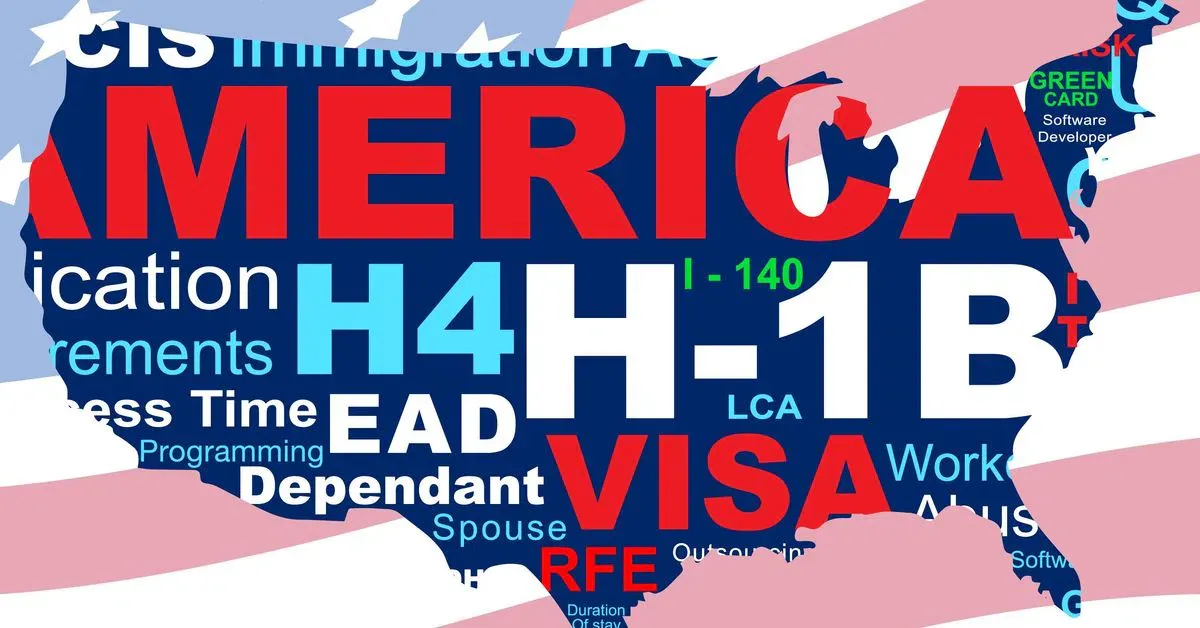
A group of Republican lawmakers in the US has introduced the End H-1B Visa Abuse Act of 2026, proposing a three-year freeze on new H-1B visas and reducing the annual cap from 65,000 to 25,000. The bill also seeks to set a minimum salary of $200,000, eliminate the lottery system in favor of wage-based selection, restrict dependents from accompanying visa holders, and impose stricter employer requirements. Indian professionals, especially in tech, are among the largest H-1B visa holders. Supporters argue the changes protect American workers, while critics warn of impacts on foreign talent and industries reliant on these visas.
Political Bias
13%62%25%
Sentiment
40%
AI Analysis
Political bias across 3 sources
● Left 13%● Center 62%● Right 25%
The article group primarily reflects a Republican legislative perspective advocating for stricter H-1B visa controls to prioritize American workers. It includes viewpoints from lawmakers emphasizing job protection and critiques of the current system. While the sources note the significant presence of Indian professionals and potential industry impacts, there is limited representation of opposing views or responses from affected workers or companies.
Sentiment — Neutral (40/100)
The overall tone is neutral to cautious, focusing on the legislative proposal's details and rationale without emotive language. Supporters' arguments about protecting domestic jobs are presented alongside concerns about the bill's potential effects on foreign professionals and sectors dependent on H-1B workers. The coverage balances policy intentions with implications, resulting in a measured sentiment.
How 3 sources covered this story
Each source's own headline, political lean, and sentiment — so you can see framing differences at a glance.
| Source | Their headline | Bias | Sentiment |
|---|---|---|---|
| timesnow | What Is The H-1B Crackdown: US Bill Seeks 3-Year Ban | Center | Neutral |
| indiatoday | Strongest bill against H-1B in US Congress; 3-year freeze on visas proposed | Right | Neutral |
| businessstandard | H-1B overhaul Bill: Fewer visas, 200K salary rule, no dependents allowed | Center | Neutral |
Coverage timeline
businessstandard broke this story on 27 Apr, 04:32 am. Other outlets followed.
- 1businessstandard27 Apr, 04:32 amH-1B overhaul Bill: Fewer visas, 200K salary rule, no dependents allowed
- 2indiatoday27 Apr, 11:53 amStrongest bill against H-1B in US Congress; 3-year freeze on visas proposed
- 3timesnow27 Apr, 03:18 pmWhat Is The H-1B Crackdown: US Bill Seeks 3-Year Ban
Lens Score breakdown
32/100
Public interest0/100
Coverage gap100%
Well-covered story — coverage matches public importance.
Who's involved
Institutions and figures named across source coverage.
Government
United States Congress
Corporate
US Tech Companies
Political
Republican LawmakersUS Congress
Story context
- Category
- Politics
- Location
- United States
- Sources analysed
- 3
- Last analysed
- 27 Apr 2026
- Key entities
- Travel visaH-1B visaUnited StatesEli CranePaul GosarFederal government of the United StatesUnited States House of RepresentativesRepublican Party (United States)Migrant workerPalestinian territoriesImmigrationIndia
Related Coverage
Select a news story to see related coverage from other media outlets.