17 hours agoPolitics
34LENS
2 SourcesGermany
 thebalanced.news
Germany Proposes Changes to Sick Leave Policy to Address High Absenteeism
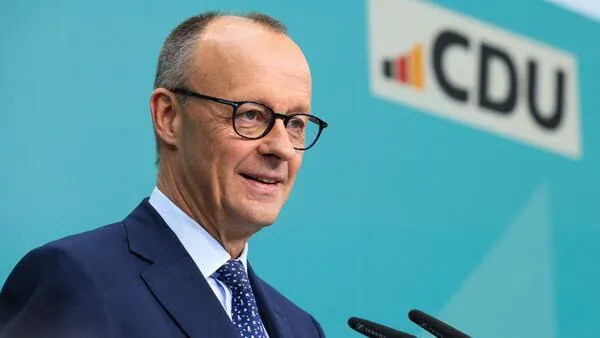
Germany is considering reforms to its sick leave policy amid one of Europe's highest absenteeism rates. Chancellor Friedrich Merz and the Christian Democratic Union propose allowing employers to reduce wages from the first day of sick leave and incentivize fewer absences. The average sick days rose from 10.9 in 2019 to 14.8 in 2024, partly due to the pandemic and an aging workforce. Officials argue these changes aim to boost productivity and address economic challenges, while critics express concerns about worker rights.
Political Bias
20%70%10%
Sentiment
45%
AI Analysis
Political bias across 2 sources
● Left 20%● Center 70%● Right 10%
The articles present perspectives primarily from the German government and Chancellor Merz's Christian Democratic Union, emphasizing economic productivity and policy reform. They also acknowledge concerns about worker rights and the impact of absenteeism. The coverage balances official statements with contextual data, reflecting both policy intentions and public debate without favoring any political stance.
Sentiment — Neutral (45/100)
The overall tone is neutral to cautious, focusing on the government's rationale for reforming sick leave policies due to economic pressures and high absenteeism. While the proposals are framed as necessary for productivity, the articles also note potential controversies and concerns, resulting in a balanced sentiment that neither fully endorses nor condemns the changes.
How 2 sources covered this story
Each source's own headline, political lean, and sentiment — so you can see framing differences at a glance.
| Source | Their headline | Bias | Sentiment |
|---|---|---|---|
| firstpost | Why Germany may cut workers' pay for sick leaves | Center | Neutral |
| mint | Germany eyes tough sick leave rules, warns four-day week threatens economy Today News | Center | Neutral |
Coverage timeline
mint broke this story on 16 Apr, 03:37 pm. Other outlets followed.
- 1mint16 Apr, 03:37 pmGermany eyes tough sick leave rules, warns four-day week threatens economy Today News
- 2firstpost17 Apr, 02:12 pmWhy Germany may cut workers' pay for sick leaves
Lens Score breakdown
34/100
Public interest0/100
Coverage gap100%
Well-covered story — coverage matches public importance.
Who's involved
Institutions and figures named across source coverage.
Government
German GovernmentGerman Federal GovernmentOffice of Chancellor Friedrich MerzChristian Democratic Union
Political
Social Democratic PartyChristian Democratic Union
Story context
- Category
- Politics
- Location
- Germany
- Sources analysed
- 2
- Last analysed
- 17 Apr 2026
- Key entities
- Sick leaveGermanyFriedrich MerzAbsenteeismChancellor of GermanyEuropeBildProductivityWork–life interfaceChristian Democratic Union of GermanyWell-beingMental health
Related Coverage
Select a news story to see related coverage from other media outlets.