1 hour agoPolitics
25LENS
2 SourcesNagpur, India
 thebalanced.news
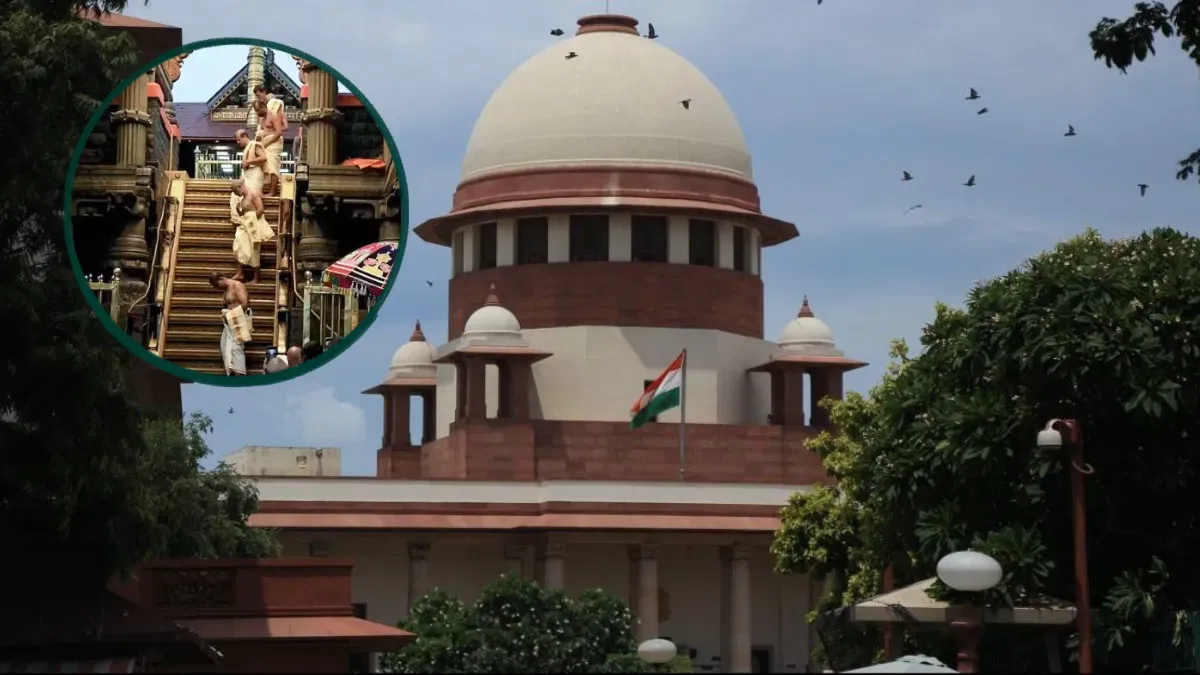
Supreme Court Revisits Sabarimala Case on Religious Freedom and Gender Equality
The Supreme Court's nine-judge Bench is reconsidering the 2018 ruling that allowed women aged 10-50 to enter Sabarimala temple, challenging the exclusion based on essential religious practices. The case examines constitutional questions about religious freedom, equality, and the state's role in regulating religious institutions, including debates on whether Articles 25 and 26 unfairly target Hindu practices. Arguments address the balance between denominational autonomy and gender-based non-discrimination under Articles 14, 15, and 21.
Political Bias
25%37%38%
Sentiment
42%
AI Analysis
Political bias across 2 sources
● Left 25%● Center 37%● Right 38%
The articles present perspectives focusing on constitutional law and religious rights, reflecting debates between proponents of religious autonomy and advocates for gender equality. Sources highlight legal interpretations of Articles 25 and 26, with some emphasizing potential state intervention in Hindu practices, while others stress constitutional protections against discrimination. The coverage includes government, petitioners, and legal viewpoints without favoring any political ideology.
Sentiment — Neutral (42/100)
The tone across the articles is analytical and neutral, focusing on legal arguments and constitutional principles. Coverage neither celebrates nor condemns the court's actions but presents the complexity of balancing religious traditions with equality rights. The sentiment is measured, reflecting the ongoing judicial process and the sensitive nature of the issues involved.
How 2 sources covered this story
Each source's own headline, political lean, and sentiment — so you can see framing differences at a glance.
| Source | Their headline | Bias | Sentiment |
|---|---|---|---|
| thetribune | Sabarimala: Who may enter how many? - The Tribune | Center | Neutral |
| theprint | 9 judges, 7 questions -- The high stakes of the Sabarimala reference case | Right | Neutral |
Coverage timeline
theprint broke this story on 24 Apr, 08:17 am. Other outlets followed.
- 1theprint24 Apr, 08:17 am9 judges, 7 questions -- The high stakes of the Sabarimala reference case
- 2thetribune24 Apr, 09:19 pmSabarimala: Who may enter how many? - The Tribune
Lens Score breakdown
25/100
Public interest0/100
Coverage gap100%
Well-covered story — coverage matches public importance.
Who's involved
Institutions and figures named across source coverage.
Government
Union GovernmentSupreme Court
Corporate
Tata Consultancy ServicesLenskart
Judiciary
Supreme Court
Story context
- Category
- Politics
- Location
- Nagpur, India
- Sources analysed
- 2
- Last analysed
- 24 Apr 2026
- Key entities
- Religious denominationIndiaSikhsHindusFreedom of thoughtSikhismDharmaAbrahamic religionsTempleReligionMoralityKirpan
Related Coverage
Select a news story to see related coverage from other media outlets.