41 minutes agoPolitics
32LENS
19 SourcesNew Delhi, India
 thebalanced.news
Supreme Court Mandates Virtual Hearings, Carpooling, and Work-from-Home to Conserve Fuel
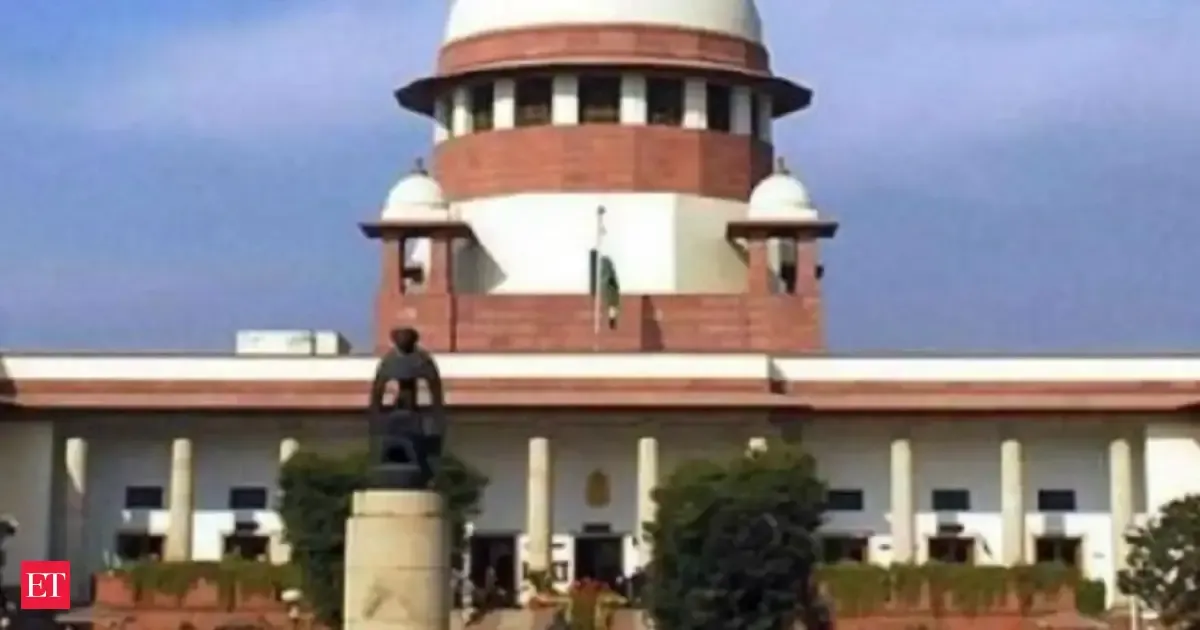
In response to Prime Minister Narendra Modi's appeal for fuel conservation amid the West Asia crisis, the Supreme Court of India has mandated virtual hearings on Mondays, Fridays, and other designated miscellaneous days, as well as during partial working days. The court will operate in a hybrid mode from Tuesday to Thursday. Judges have unanimously agreed to encourage carpooling, and up to 50% of Registry staff may work from home for two days weekly on a rotational basis, ensuring uninterrupted court functioning. Registrars will prepare weekly rosters and may adjust work-from-home arrangements based on operational needs.
Political Bias
5%91%4%
Sentiment
62%
AI Analysis
Political bias across 19 sources
● Left 5%● Center 91%● Right 4%
The article group presents a largely neutral perspective focused on administrative measures taken by the Supreme Court in response to a government-led fuel conservation appeal. Coverage includes official statements and procedural details without partisan framing. The sources emphasize institutional compliance with government directives and internal court decisions, reflecting a consensus-driven approach rather than political debate.
Sentiment — Neutral (62/100)
The overall tone across the articles is neutral to mildly positive, highlighting proactive steps by the Supreme Court to support national fuel-saving efforts. The coverage underscores efficiency and responsibility without emotive language or criticism. There is an emphasis on cooperation and adaptation, portraying the measures as practical responses to an ongoing energy challenge.
How 15 sources covered this story
Each source's own headline, political lean, and sentiment — so you can see framing differences at a glance.
Coverage timeline
economictimes broke this story on 15 May, 12:14 pm. Other outlets followed.
- 1economictimes15 May, 12:14 pmSupreme Court mandates virtual hearings, WFH amid war-driven fuel conservation push
- 2indiatvnews15 May, 12:17 pmVirtual hearings twice a week, WFH, carpooling for judges: Supreme Court adopts energy-saving measures
- 3theprint15 May, 12:21 pmSC to hear cases through video conferencing on Mondays, Fridays for optimum fuel utilisation
- 4timesnow15 May, 12:22 pmAfter Govt, Top Court in Fuel Curbs Mode: Shifts Online
- 5english15 May, 12:27 pmWFH, Virtual Hearings And Car Pooling: SC After PM Modi's Fuel Saving Appeal
- 6indianexpress15 May, 12:34 pmVirtual hearings, 2-day WFH, judges to carpool: Supreme Court announces fuel-saving measures
- 7ndtv15 May, 12:37 pmSupreme Court To Go Virtual, Judges To Car-Pool Amid Save Fuel Push
- 8thetribune15 May, 12:46 pmSC to hear cases through video-conferencing on Mondays, Fridays for optimum fuel utilisation - The Tribune
- 9mint15 May, 12:49 pmSupreme Court adopts virtual hearing, 2-day WFH, car-pooling after PM Modi's austerity push amid West Asia crisis Today News
- 10republicworld15 May, 12:54 pmSupreme Court Goes Hybrid With Mandatory Virtual Sessions on Mondays and Fridays to Combat Energy Crisis
Lens Score breakdown
32/100
Public interest0/100
Coverage gap90%
Well-covered story — coverage matches public importance.
Who's involved
Institutions and figures named across source coverage.
Government
Union GovernmentSpecial Protection GroupReserve Bank of IndiaPrime Minister's OfficeDepartment of Personnel and Training
Corporate
State-run Oil Marketing Companies
Enforcement
Special Protection Group
Judiciary
Supreme Court of IndiaSupreme Court RegistrySupreme CourtSupreme Court Secretary GeneralOffice of the Chief Justice of IndiaSupreme Court Secretary General Bharat Parashar
Story context
- Category
- Politics
- Location
- New Delhi, India
- Sources analysed
- 19
- Last analysed
- 15 May 2026
- Key entities
- Remote workVideotelephonyWestern AsiaNarendra ModiSupreme Court of the United StatesCarpoolSupreme courtSecretary-General of the United NationsIndiaSupreme Court of IndiaAusterityPrice of oil
Related Coverage
Select a news story to see related coverage from other media outlets.