1 hour agoPolitics
25LENS
2 SourcesIndia
 thebalanced.news
The 1857 Revolt: Origins, Impact, and Varied British Responses
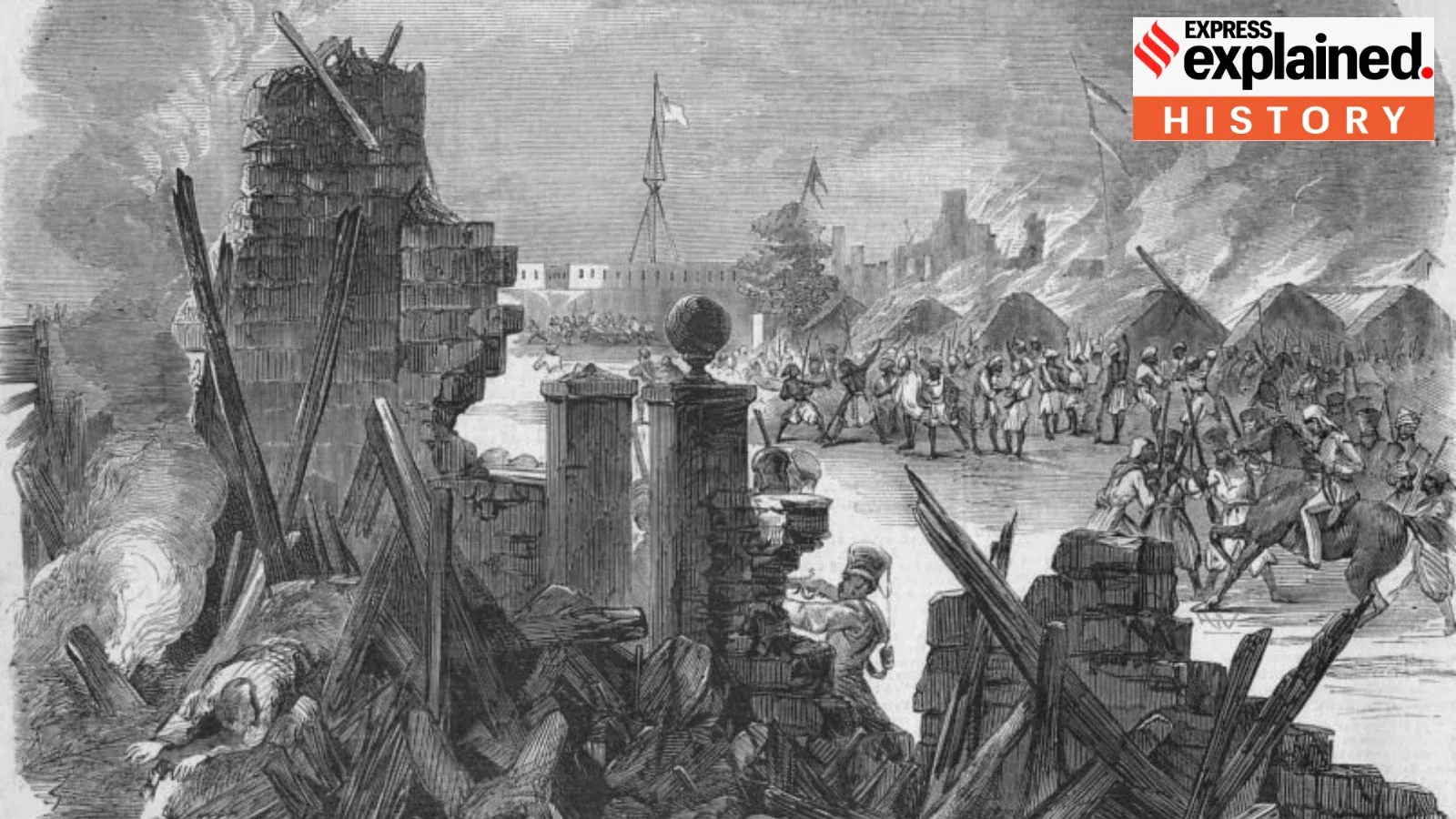
The Revolt of 1857, also known as the First War of Indian Independence, began with Indian sepoys rebelling against British officers, sparked notably by Sepoy Mangal Pandey's attack in Barrackpore. The uprising ended East India Company rule, leading to direct British governance. While many in Britain condemned the rebellion, some, like Chartist leader Ernest Charles Jones, viewed it as a just and necessary resistance, highlighting diverse British perspectives on the event.
Political Bias
55%45%0%
Sentiment
52%
AI Analysis
Political bias across 2 sources
● Left 55%● Center 45%● Right 0%
The articles present multiple perspectives, including Indian nationalist views emphasizing Mangal Pandey's role and the grievances of Awadh's people, alongside British working-class radicalism that supported the rebellion. This mix reflects both colonial and anti-colonial viewpoints, illustrating a nuanced framing without favoring any political ideology.
Sentiment — Neutral (52/100)
The overall tone is balanced, combining factual recounting of the revolt's causes and consequences with recognition of differing British reactions. While the Indian perspective highlights resistance and injustice, the British radical viewpoint offers a sympathetic stance, resulting in a mixed but respectful sentiment throughout the coverage.
How 2 sources covered this story
Each source's own headline, political lean, and sentiment — so you can see framing differences at a glance.
| Source | Their headline | Bias | Sentiment |
|---|---|---|---|
| indianexpress | A 'just and noble revolt': The British rebel who backed the 1857 rebellion | Left | Neutral |
| indianexpress | Revolt of 1857: An Expert Explains how Mangal Pandey inspired a rebellion that rattled the British | Center | Neutral |
Coverage timeline
indianexpress broke this story on 10 May, 08:02 am. Other outlets followed.
- 1indianexpress10 May, 08:02 amRevolt of 1857: An Expert Explains how Mangal Pandey inspired a rebellion that rattled the British
- 2indianexpress10 May, 09:10 amA 'just and noble revolt': The British rebel who backed the 1857 rebellion
Lens Score breakdown
25/100
Public interest0/100
Coverage gap100%
Well-covered story — coverage matches public importance.
Who's involved
Institutions and figures named across source coverage.
Government
East India CompanySecretary of State for IndiaBritish ParliamentBritish Monarch
Judiciary
Court Martial
Story context
- Category
- Politics
- Location
- India
- Sources analysed
- 2
- Last analysed
- 10 May 2026
- Key entities
- SepoyIndian Rebellion of 1857MutinyBritish EmpireIndiaBritish RajRebellionDelhiMangal PandeyAwadhHangingElizabeth II
Related Coverage
Select a news story to see related coverage from other media outlets.