1 hour agoPolitics
28LENS
2 SourcesTamil Nadu, India
 thebalanced.news
Tamil Nadu's Early Social Welfare Efforts Recognized Women's Political Role
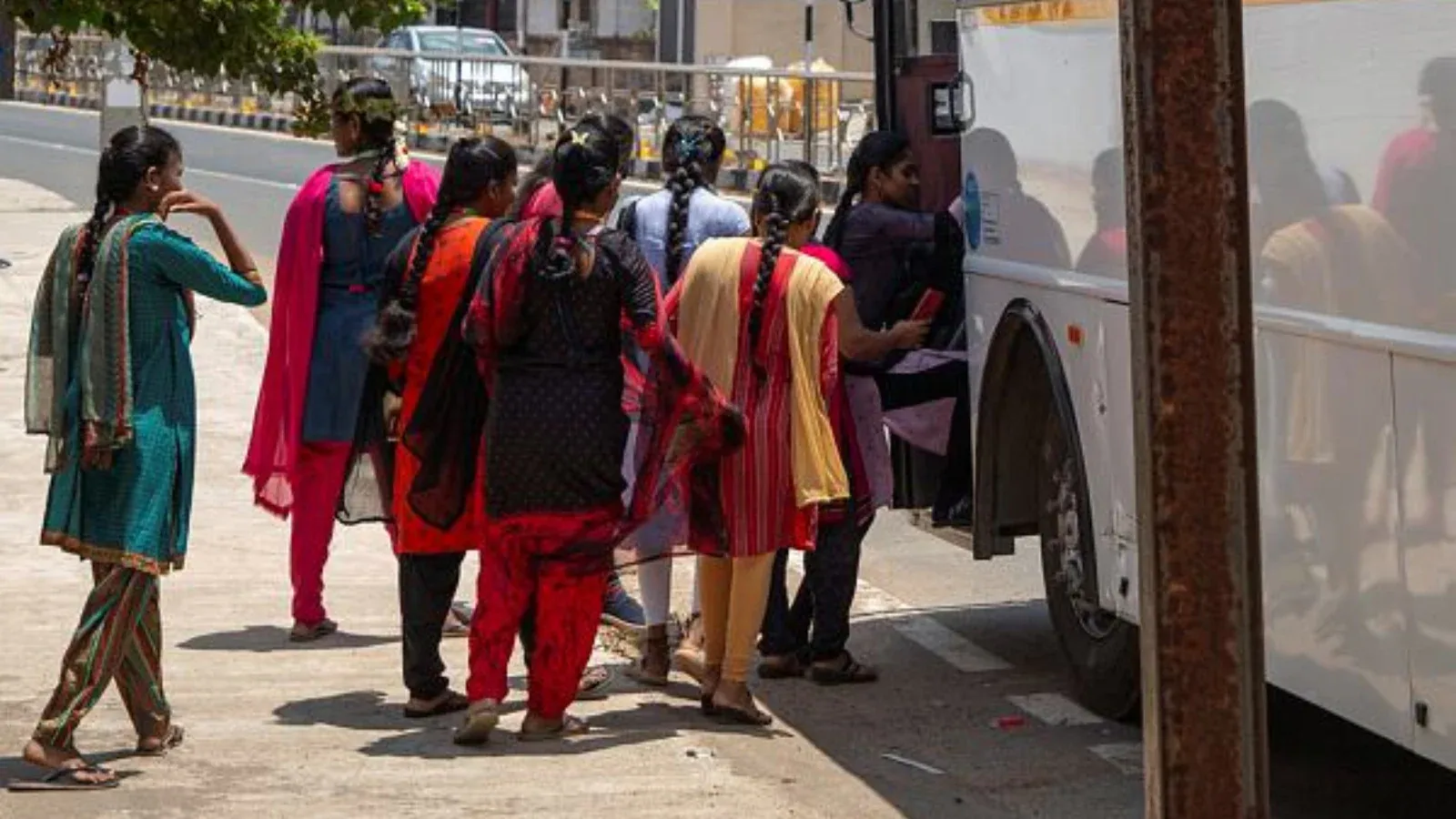
Tamil Nadu has long recognized women as key political stakeholders, engaging their votes through sustained social welfare initiatives rather than recent schemes like cash transfers or free bus travel. Beginning in the 1950s, successive governments expanded school nutrition programs, notably the noon-meal scheme, which evolved to include eggs and other enhancements. This approach, rooted in the Dravidian movement's focus on domestic welfare and dignity, reflects a decades-long strategy to empower women voters beyond traditional political narratives.
Political Bias
30%60%10%
Sentiment
75%
AI Analysis
Political bias across 2 sources
● Left 30%● Center 60%● Right 10%
The articles primarily present a historical and developmental perspective on Tamil Nadu's political engagement with women voters, emphasizing the state's social welfare policies across different administrations. They highlight contributions from various political leaders without partisan framing, focusing on policy evolution rather than political rivalry. The coverage reflects a consensus on the significance of welfare programs in empowering women electorally.
Sentiment — Positive (75/100)
The tone across the articles is generally positive and informative, highlighting Tamil Nadu's pioneering role in integrating women into political processes through welfare schemes. The sentiment underscores progress and empowerment without overt praise or criticism, maintaining a balanced and factual narrative about the state's social and political history.
How 2 sources covered this story
Each source's own headline, political lean, and sentiment — so you can see framing differences at a glance.
| Source | Their headline | Bias | Sentiment |
|---|---|---|---|
| indianexpress | Much before cash transfers, Tamil Nadu knew the power of women's vote | Center | Positive |
| indianexpress | Before free buses and cash transfers, Tamil Nadu knew the power of women's vote | Center | Positive |
Coverage timeline
indianexpress broke this story on 25 Apr, 06:00 am. Other outlets followed.
- 1indianexpress25 Apr, 06:00 amBefore free buses and cash transfers, Tamil Nadu knew the power of women's vote
- 2indianexpress26 Apr, 01:38 amMuch before cash transfers, Tamil Nadu knew the power of women's vote
Lens Score breakdown
28/100
Public interest0/100
Coverage gap100%
Well-covered story — coverage matches public importance.
Who's involved
Institutions and figures named across source coverage.
Government
Tamil Nadu State Government
Corporate
FoxconnSamsung
Political
Dravidian MovementDMKAIADMK
Story context
- Category
- Politics
- Location
- Tamil Nadu, India
- Sources analysed
- 2
- Last analysed
- 26 Apr 2026
- Key entities
- M. G. RamachandranEgg as foodNutritionWelfareTamil NaduIndiaDravidian movementK. KamarajM. KarunanidhiPolitics of IndiaDravida Munnetra KazhagamSalt
Related Coverage
Select a news story to see related coverage from other media outlets.