1 hour agoPolitics
30LENS
2 SourcesGujarat, India
 thebalanced.news
Supreme Court Rules Against Automatic Bail Denial Under SC ST Act Section 18
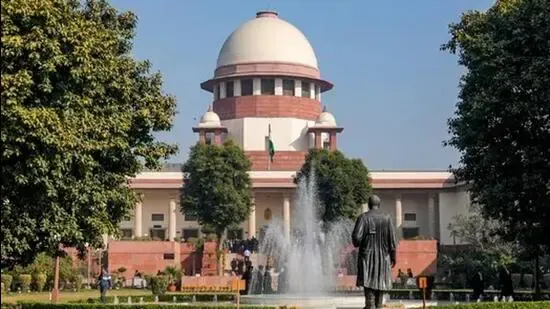
The Supreme Court ruled that courts should not automatically deny anticipatory bail solely based on offences under the Scheduled Castes and Scheduled Tribes (Prevention of Atrocities) Act. A bench led by Justices JB Pardiwala and Ujjal Bhuyan emphasized that Section 18 of the Act requires careful examination of the facts and allegations in each case before refusing bail. This ruling arose from a Gujarat case involving allegations of a relationship formed on a marriage promise, highlighting the need for courts to assess whether caste-based offences are prima facie established.
Political Bias
35%63%2%
Sentiment
55%
AI Analysis
Political bias across 2 sources
● Left 35%● Center 63%● Right 2%
The articles present a judicial perspective focusing on legal principles without political framing. They highlight the Supreme Court's emphasis on case-by-case analysis under the SC ST Act, reflecting a neutral legal interpretation. Both sources report the ruling factually, without partisan commentary or political implications, maintaining a focus on judicial procedure and rights.
Sentiment — Neutral (55/100)
The tone across the articles is neutral and informative, concentrating on the Supreme Court's clarification of legal standards. There is no evident positive or negative sentiment toward any party; instead, the coverage underscores the court's balanced approach to anticipatory bail under the SC ST Act, aiming to ensure fair judicial scrutiny.
How 2 sources covered this story
Each source's own headline, political lean, and sentiment — so you can see framing differences at a glance.
| Source | Their headline | Bias | Sentiment |
|---|---|---|---|
| ndtv | SC ST Act Alone Can't Automatically Block Pre-Arrest Bail: Supreme Court | Center | Neutral |
| hindustantimes | Courts must not apply SC ST Act bail bar mechanically: Supreme Court | Center | Neutral |
Coverage timeline
hindustantimes broke this story on 11 May, 03:02 am. Other outlets followed.
- 1hindustantimes11 May, 03:02 amCourts must not apply SC ST Act bail bar mechanically: Supreme Court
- 2ndtv11 May, 04:15 pmSC ST Act Alone Can't Automatically Block Pre-Arrest Bail: Supreme Court
Lens Score breakdown
30/100
Public interest0/100
Coverage gap100%
Well-covered story — coverage matches public importance.
Who's involved
Institutions and figures named across source coverage.
Judiciary
Gujarat High CourtSupreme Court of IndiaSupreme Court
Story context
- Category
- Politics
- Location
- Gujarat, India
- Sources analysed
- 2
- Last analysed
- 11 May 2026
- Key entities
- Scheduled Caste and Scheduled Tribe (Prevention of Atrocities) Act, 1989Scheduled Castes and Scheduled TribesFirst information reportBar (law)High Court of GujaratAnticipatory bailSupreme Court of IndiaPrima facieCasteStatuteBailJudicial review
Related Coverage
Select a news story to see related coverage from other media outlets.