2 hours agoPolitics
30LENS
2 SourcesIndia
 thebalanced.news
Supreme Court Upholds Minor's Right to Late-Term Abortion Amid Legal and Medical Debate
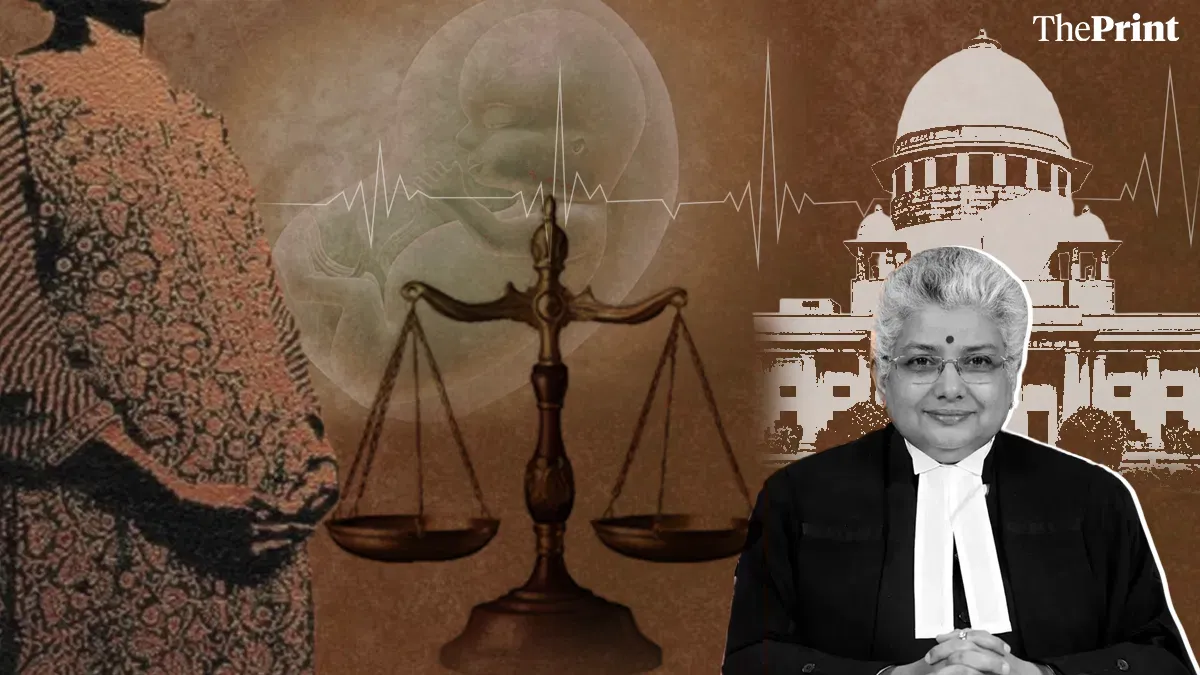
The Supreme Court of India recently upheld a minor rape survivor's right to terminate a late-stage pregnancy, emphasizing a woman's decisional autonomy over foetal viability concerns. Justices Nagarathna and Bhuyan permitted termination beyond the 24-week legal limit, despite opposition from AIIMS citing health risks. The Chief Justice Surya Kant-led bench declined to reopen the case, urging the government to amend abortion laws for minors. The rulings highlight tensions between medical advice and reproductive rights in India's legal framework.
Political Bias
65%35%0%
Sentiment
60%
AI Analysis
Political bias across 2 sources
● Left 65%● Center 35%● Right 0%
The articles present perspectives from the judiciary emphasizing reproductive autonomy and legal rights, alongside medical institutions expressing health and ethical concerns. The coverage reflects a balance between progressive legal interpretations and cautious medical viewpoints, without favoring any political ideology. Both sources focus on legal rulings and institutional positions rather than partisan commentary.
Sentiment — Neutral (60/100)
The tone across the articles is measured and factual, acknowledging the complexity of balancing individual rights with medical risks. While the judiciary's decisions are portrayed as affirming autonomy, medical opposition introduces caution, resulting in a mixed but respectful sentiment. There is no overtly positive or negative language, maintaining a neutral and informative approach.
How 2 sources covered this story
Each source's own headline, political lean, and sentiment — so you can see framing differences at a glance.
| Source | Their headline | Bias | Sentiment |
|---|---|---|---|
| thehindu | Doctors decide: On legal abortion | Left | Neutral |
| theprint | In SC judge Nagarathna's rulings on abortion, the woman's choice before all else | Left | Neutral |
Coverage timeline
theprint broke this story on 3 May, 04:11 am. Other outlets followed.
- 1theprint3 May, 04:11 amIn SC judge Nagarathna's rulings on abortion, the woman's choice before all else
- 2thehindu3 May, 06:47 pmDoctors decide: On legal abortion
Lens Score breakdown
30/100
Public interest0/100
Coverage gap100%
Well-covered story — coverage matches public importance.
Who's involved
Institutions and figures named across source coverage.
Government
All India Institute of Medical SciencesUnion government
Judiciary
Justice B.V. NagarathnaJustice Joymalya BagchiJustice Ujjal BhuyanBombay High CourtJustice Surya KantChief Justice of IndiaSupreme CourtSupreme Court of India
Story context
- Category
- Politics
- Location
- India
- Sources analysed
- 2
- Last analysed
- 3 May 2026
- Key entities
- Chief Justice of IndiaAbortionPregnancyRapeUjjal BhuyanImmanuel KantAutonomyIndiaBodily integrityAll India Institutes of Medical SciencesFetusPreterm birth
Related Coverage
Select a news story to see related coverage from other media outlets.